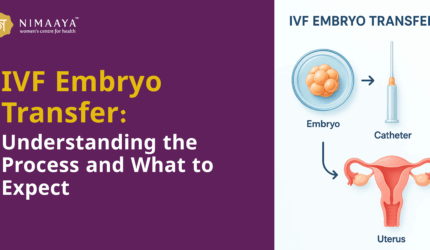

Embryo transfer is the last but most important stage of the in vitro fertilization procedure. Following the cycle of hormonal therapies, retrieval of the eggs, and fertilisation of the eggs, the embryo is transferred cautiously to the woman’s uterus. From now on, utmost attention is devoted to providing favourable conditions for the implantation of the embryo and for the pregnancy to be well cared for.
While fertility treatment and medical interventions are at the forefront, nutrition and lifestyle equally contribute to the process. What a woman eats following an embryo transfer can positively affect reproductive nourishment, hormonal balance, the suppression of inflammation, and the availability of essential nutrients for embryonic implantation. Conversely, bad nutrition can unfairly burden the body, disrupt the balance of hormones, and harm the uterine milieu.
This booklet will assist us in taking into account foods to eat and not to eat following the embryo transfer, as well as IVF meal planning and timing, hydration regimen, and lifestyle changes that will optimise the IVF success.
Why Diet Matters After Embryo Transfer
Directly following embryo transfer, a patient is likely to follow the “two-week wait” phase, also known as the sensitive period, where the implantation of the embryo on the uterine lining is attempted. A balanced and nutrient-rich diet can help by:
- Anti-Inflammatory – Anti-inflammatory foods decrease the chances of immune system rejection.
- Fertility Vitamins & Minerals – Folate, zinc, and vitamin D are a few of the fertility-related essential nutrients.
- Energy & Mood Stabilisation— A balanced diet reduces anxiety and stress, which has a bearing on IVF success.
Post Embryo Transfer Diet
Protein-Rich Foods
Protein is required for repairing tissues and the development of cells, which is important for the new embryo.
- Principal Plant Sources: Tofu, lentils, chickpeas, kidney beans, and quinoa
- Principal Animal Sources: Lean chicken, eggs, and omega-3-containing fish
Healthy Fats
Healthy fats, such as omega-3 fatty acids, reduce inflammation and promote hormone secretion.
Best Sources:
- Avocados
- Walnuts and almonds; flaxseeds and chia seeds
- Olive and coconut oils
- Fatty fish such as salmon (for non-vegetarians)
Why It Matters: Omega-3 fatty acids enhance blood flow to the uterus, increasing implantation likelihood.
Complex Carbohydrates
Carbohydrates provide the body’s primary energy but should be taken in complex, fiber-containing forms so that the blood sugar level is not elevated.
Best Sources:
- Whole grains (brown rice, oats, barley, quinoa)
- Sweet potatoes
- Legumes
- Fresh fruits in moderation
Why Important: They provide steady energy, improve digestion, and regulate insulin levels (important for women with PCOS or insulin resistance).
Iron-Rich Foods
Iron helps to transport oxygen and improve uterine blood flow.
Best Sources:
- Spinach, kale, beetroot
- Lentils and beans
- Fortified cereals
- Pumpkin seeds
Why Important: Prevents anemia and supports healthy uterine lining function.
Calcium & Vitamin D Foods
These nutrients play a vital role in bone development and hormonal balance.
Best Sources:
- Milk, yogurt, and cheese (or fortified plant milk for vegans/vegetarians)
- Sesame seeds
- Almonds
- Sunlight exposure for Vitamin D
Why Important: Strengths mother’s and developing baby’s bones, supports hormonal balance.
Fertility-Boosting Fruits
Fresh fruits have antioxidants that combat oxidative stress, which improves egg and embryo quality.
Best Choices:
- Berries (blueberries, raspberries, strawberries)
- Pomegranate (enhances uterine blood supply)
- Kiwi (rich in Vitamin C)
- Apples and pears
Why Important: Protects embryo cells from harm and enhances immune function.
Hydrating Fluids
Hydration is little-known but extremely important to the health of the uterus.
Best Options:
- Water (8–10 glasses daily)
- Coconut water (natural electrolytes)
- Herbal teas (ginger, chamomile in moderation)
- Fresh fruit juices (with no added sugar)
Why Important: Proper hydration ensures adequate blood supply to reproductive tissues.
इरेक्शन म्हणजे काय?(Erection Meaning in Marathi) कारणे आणि उपचार
Avoid Food After Embryo Transfer
No less important than what you eat is what you avoid eating during the implantation period. There are certain foods and drinks that interfere with hormonal balance, increase inflammation, or put extra stress on your system.
Processed & Junk Foods
Examples: Burgers, chips, processed snacks, instant noodles.
Why Avoid: Loaded with trans fats, refined sugar, and inflammatory causing, hormone disrupting additives.
Caffeinated Drinks
Examples: Coffee, energy drinks, strong tea, soft drinks.
Why Avoid: Excessive caffeine narrows blood vessels, which cuts off the supply of blood to the uterus. It can lead to miscarriage as well. If absolutely necessary, restrict to 1 cup of coffee per day.
Alcohol & Smoking
Why Avoid: Both nicotine and alcohol interfere with embryo implantation and increase chances of miscarriage.
Excess Sugar & Refined Carbohydrates
Examples: Pastries, cakes, white bread, sodas.
Why Avoid: Induce blood sugar fluctuations, inflammation, and weight gain, which can ruin implantation to a great extent.
Sample Meal Plan Following Embryo Transfer
Breakfast
- Warm oats with chia seeds, walnuts, and berries
- Glass of warm milk or almond milk with calcium supplementation
Mid-Morning Snack
- Almonds and pumpkin seeds in handful
- Apple or pomegranate fruit
Lunch
- Brown rice or quinoa with lentils (dal)
- Steamed broccoli and spinach
- Grilled paneer or tofu
- Curd/yogurt (pasteurized)
Evening Snack
- Ginger or chamomile herbal tea
- Whole grain toast with avocado spread
Dinner
- Whole wheat chapati or millet roti
- Mixed vegetable curry with sweet potato
- Lentil soup
- Small olive oil dressing salad
Before Bed
- Warm turmeric milk
Conclusion
Embryo transfer is a complex and emotionally sensitive phase of the IVF procedure. While as much as medical interventions and doctors’ dexterity form the crux of success, your everyday food choices can contribute significantly to the process of implantation and early pregnancy development.
An overall healthy diet consisting of proteins, healthy fats, complex carbohydrates, iron, folate, calcium, and antioxidants offers the best possible conditions for embryonic implantation. Maintaining minimal exposure to processed foods, too much coffee, high-mercury fish, and raw or unpasteurized items is also important.
Following a healthy IVF diet and staying hydrated, exercising lightly, and managing stress maximises chances for a successful IVF cycle.
For those seeking professional treatment and holistic guidance, Nimaaya IVF Centre offers state-of-the-art fertility treatment combined with compassionate counselling, enabling couples to start a family.
FAQs
Is pineapple good or bad food after embryo transfer?
Small amounts of pineapple flesh (not including the core) are safe and antioxidant-dense. The core is full of bromelain, though, which, when taken in excess, will cause uterine contractions. Steer clear of too much pineapple eating, especially within the two-week wait.
Is it okay to consume dairy products following embryo transfer?
Yes, but only pasteurised milk, cheese, and yogurt should be consumed. Avoid consuming unpasteurized dairy products and soft cheeses (feta, brie, and blue cheese) since they have the potential for bacterial infection in the form of Listeria.
Can I have eggs after embryo transfer?
Yes, eggs are an excellent source of protein. Eggs should, however, be well-cooked (hard-boiled, scrambled, or omelette). Undercooked and raw eggs should be avoided to prevent exposure to Salmonella.
Do I continue to take prenatal vitamins after embryo transfer?
Yes. Folic acid, vitamin D, and iron are essential for embryo growth and should be taken unless told otherwise by your doctor.