How is IUI Treatment Done?
IUI (Intrauterine Insemination) at Nimaaya is a carefully planned and monitored procedure designed to maximize your chances of conception. Every step—from ovulation tracking to sperm preparation—is precisely timed to ensure optimal results.
For the Female Partner
Ovulation Induction (Stimulating Egg Development)
The process begins with medications (tablets or injections) to stimulate the ovaries and support the development of one or more healthy eggs. This increases the chances of successful fertilization within the cycle.
Follicle Monitoring (Tracking Egg Growth)
The growth of follicles (which contain the eggs) is closely monitored using transvaginal sonography (TVS). This helps determine the exact timing for ovulation and ensures the body is responding well to treatment.
Trigger Injection (Final Egg Maturation)
Once the follicles reach the ideal size, an hCG injection is administered to trigger final egg maturation and release (ovulation). This step is crucial for timing the IUI procedure accurately.
IUI Procedure (Sperm Placement)
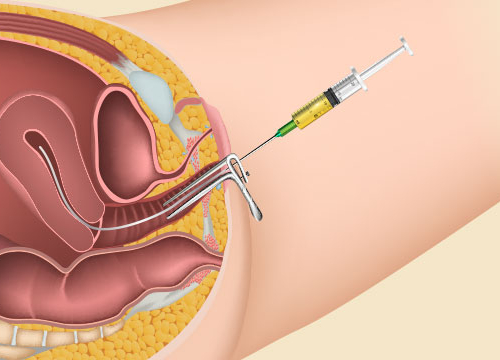
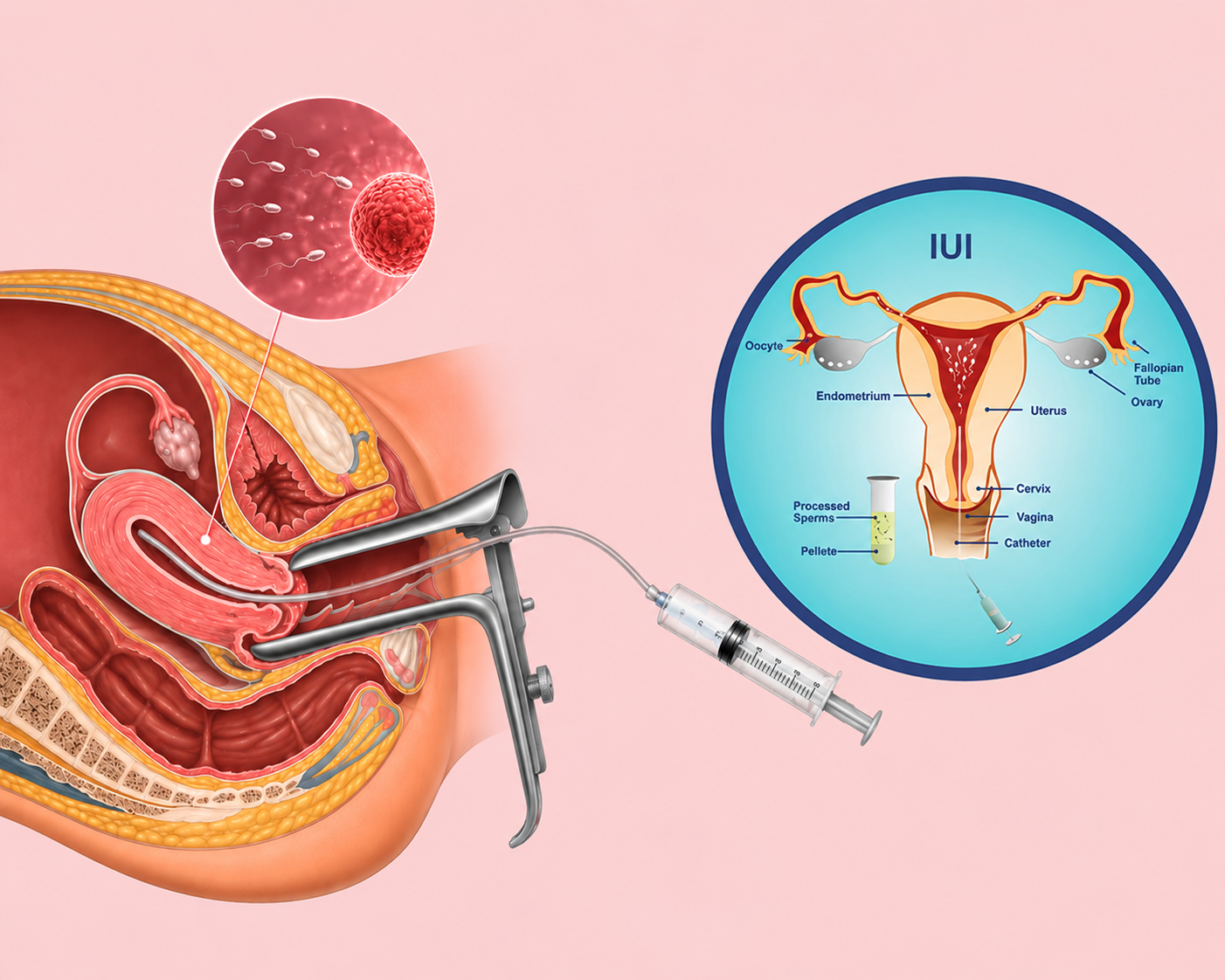
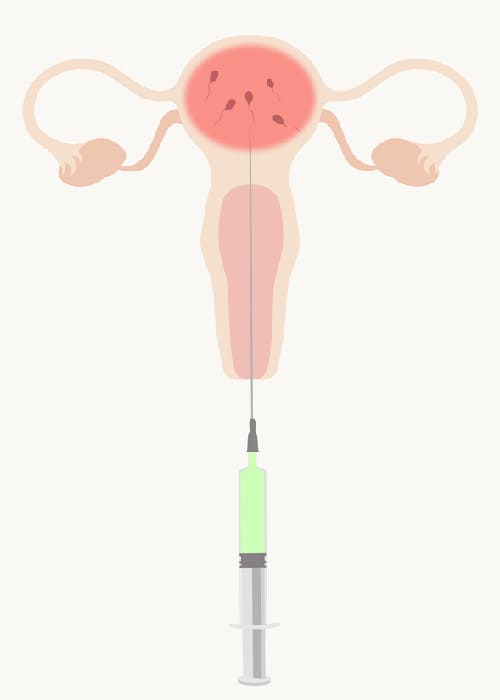
A specially prepared and concentrated sperm sample is gently introduced into the uterus using a thin, soft catheter (cannula). This allows the sperm to reach closer to the fallopian tubes, where fertilization occurs.
Post-Procedure Care
IUI is a simple, quick, and almost painless procedure that takes only a few minutes. After resting for about 10–15 minutes, you can resume your normal daily routine, including work and travel.
After IUI (Normal Lifestyle Continuation)
There are no strict restrictions after the procedure. Couples can continue their normal activities and may have intercourse in the same cycle if they wish.
For the Male Partner
Semen Collection
The semen sample is usually collected on the day of the procedure, either at the clinic or at home (as advised). It is ideally provided 1–2 hours before the scheduled insemination for optimal processing.
Convenience & Backup Options
If needed, semen can be collected earlier and preserved for use later the same day. In cases where the partner is unavailable or facing performance-related concerns, frozen semen samples can be used effectively.
Fertility Preservation (Semen Freezing)
If a male partner is undergoing treatments that may affect sperm quality (medical or surgical), semen can be frozen in advance and safely stored for future use in IUI cycles.
Advanced Options (Cryoaccumulation)
In cases of low sperm availability, multiple semen samples can be frozen and combined (cryoaccumulation) to improve the overall quality and quantity used during insemination.
Laboratory Process: Sperm Preparation (Semen Wash)
Before insemination, the semen undergoes a specialized laboratory process called sperm washing. This step removes impurities, inactive sperm, and other unwanted substances, isolating only the most motile and healthy sperm.
The process also enables sperm capacitation, which is essential for fertilization. Depending on the semen quality, advanced preparation techniques are used to ensure the best possible sample is selected for IUI.
With state-of-the-art lab infrastructure and expertise in multiple sperm processing methods, Nimaaya ensures precise preparation of sperm samples to maximize the chances of fertilization.
How is the IUI Insemination Procedure Performed?
- The patient is comfortably positioned in a procedure room, similar to a routine gynecological exam.
- Strict hygiene and aseptic precautions are maintained throughout the procedure.
- A gentle instrument is used to visualize the cervix for accurate access.
- A thin, soft catheter (cannula) is carefully passed through the cervix into the uterus.
- The prepared sperm sample is slowly injected into the uterine cavity.
- The procedure is quick, simple, and usually painless, taking only a few minutes.
How Does IUI Treatment Work at Nimaaya?
At Nimaaya, IUI is planned around your individual fertility profile rather than following a one-size-fits-all protocol.
Step 1: Fertility Evaluation
Our fertility specialist reviews your medical and reproductive history and may recommend investigations such as:
- Ovulation assessment
- Ultrasound
- Ovarian-reserve evaluation when indicated
- Semen analysis
- Hormonal investigations when required
- Assessment of fallopian-tube patency when appropriate
The objective is to determine whether IUI is likely to be a reasonable treatment option.
Step 2: Treatment Planning
Depending on your ovulation pattern and fertility factors, the doctor may recommend:
- Natural-cycle IUI, or
- Stimulated IUI with fertility medicines
The protocol is selected according to your individual needs.
Step 3: Follicular Monitoring
Ultrasound monitoring may be used to observe follicular development and help determine the appropriate timing for insemination.
Monitoring also helps the fertility team assess the response to medication when an assisted ovulation protocol is used.
Step 4: Trigger Injection, When Indicated
When clinically appropriate, an ovulation-triggering medicine such as hCG may be used to help coordinate the timing of ovulation.
Our specialist will determine whether a trigger is appropriate for your cycle.
Step 5: Sperm Collection and Preparation
A semen sample is collected and processed in the laboratory.
Sperm preparation is designed to concentrate the motile sperm fraction that is appropriate for insemination.
Step 6: IUI Procedure
The prepared sperm sample is introduced into the uterus through a thin, flexible catheter.
The procedure generally takes only a few minutes and usually does not require anaesthesia.
Step 7: After IUI
Most patients can return to their usual routine after the procedure, unless their treating doctor recommends otherwise.
Mild cramping or light spotting can occur in some patients.
Step 8: Pregnancy Testing
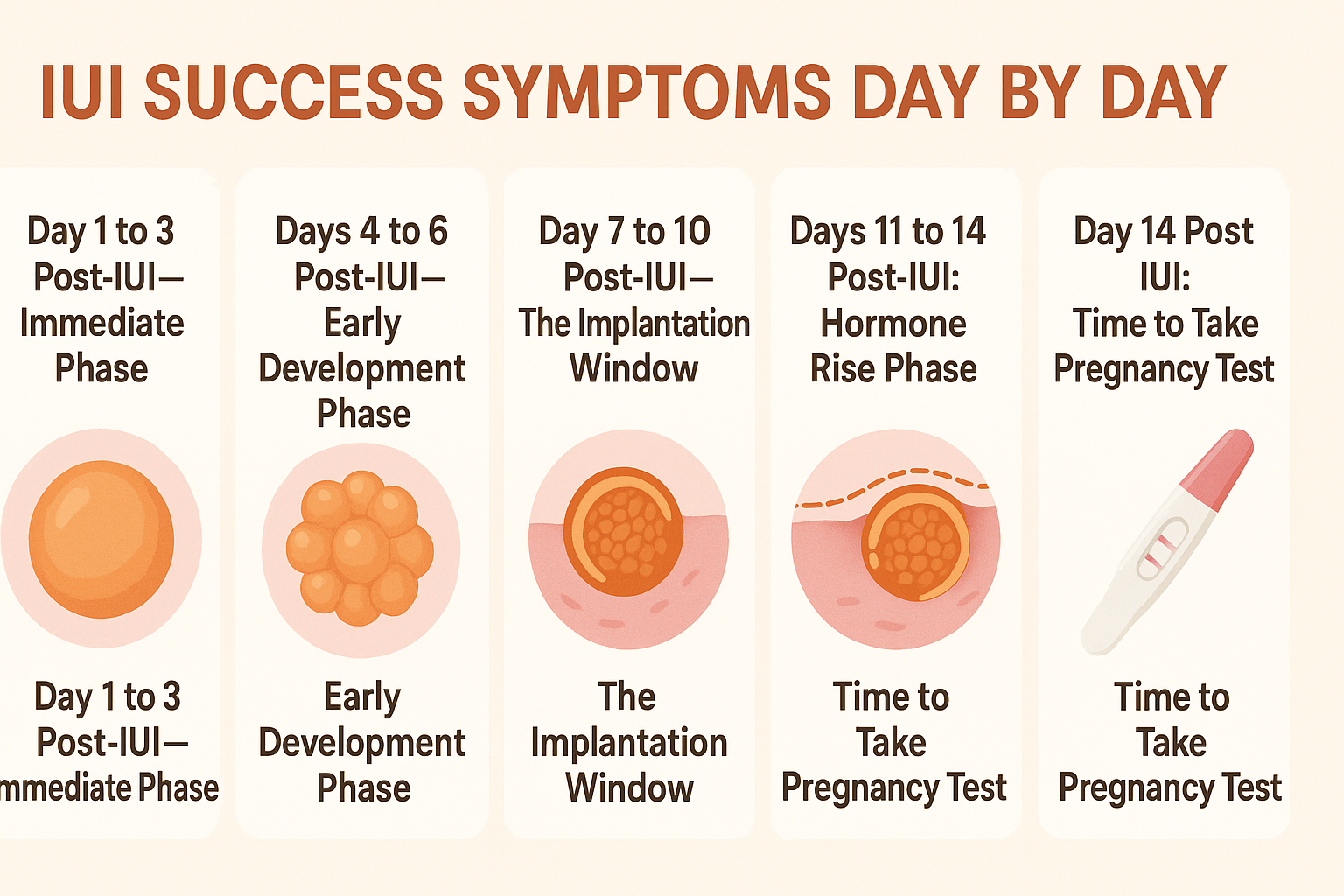
Our fertility team will advise you when to perform a pregnancy test based on the timing of ovulation and the IUI procedure.
Natural-Cycle IUI vs Stimulated IUI
IUI can be performed using a natural ovulatory cycle or with medicines that stimulate follicular development.
| Natural-Cycle IUI |
Stimulated IUI |
| Uses natural ovulation |
Uses fertility medicines |
| Minimal medication |
Requires medication and monitoring |
| Timing is based on natural ovulation |
Timing is coordinated with follicular development |
| Suitable for selected patients |
May be recommended when ovulation needs support |
There is no universally better approach. Our fertility specialist will determine which protocol is appropriate based on your ovulation, age, ovarian reserve, sperm parameters and overall fertility assessment.