Introduction to Endometriosis
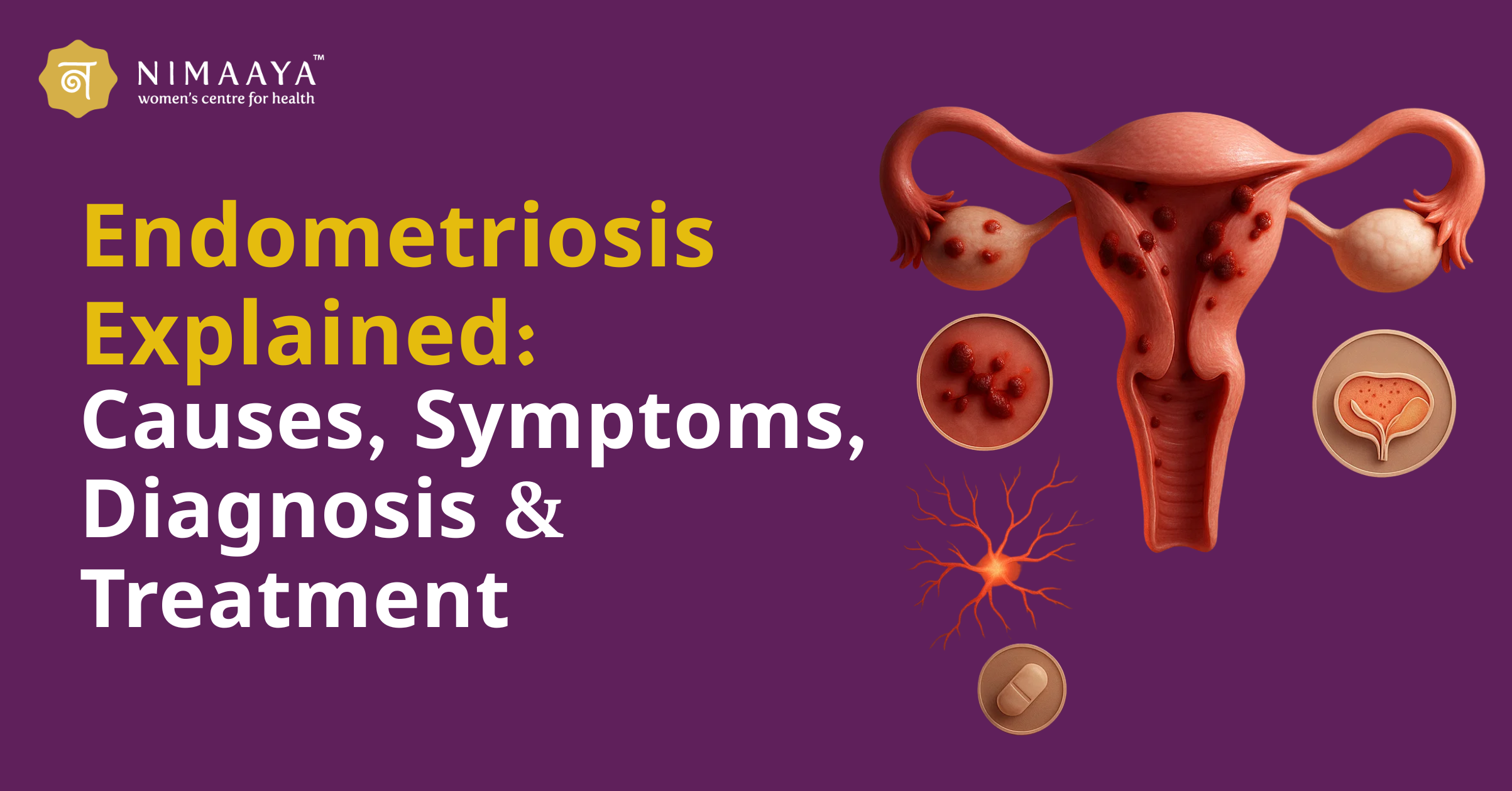
Endometriosis is a condition that affects millions of women worldwide, yet many continue to live undiagnosed, misunderstood, or under-treated for years. For some, it begins with painful periods that become a normal part of life, while for others, the symptoms gradually affect their daily routine, work, relationships, and emotional health. Endometriosis occurs when tissue similar to the uterine lining starts growing outside the uterus, usually on the ovaries, fallopian tubes, pelvic tissues, and in rare cases, even beyond the pelvic area. These tissues respond to monthly hormonal changes, causing inflammation, swelling, pain, and sometimes cyst formation.
This condition is not just about painful periods—it is a chronic inflammatory disorder that can have long-term consequences if not addressed early. Many women describe the pain as sharp, stabbing, or deep throbbing, often interfering with work, sleep, or intimacy. Unfortunately, because menstrual pain is commonly normalized, symptoms are often ignored, dismissed, or wrongly diagnosed. The purpose of this guide is to help women understand endometriosis in a clear and comprehensive way, identify symptoms early, and know when to seek help from a specialist.
What is Endometriosis?
Endometriosis is a chronic condition characterized by the growth of endometrial-like tissue outside the uterus. Normally, the endometrium lines the inside of the uterus and thickens each month in preparation for pregnancy. In endometriosis, this tissue appears in areas where it doesn’t belong, such as the ovaries, fallopian tubes, or the outer lining of the pelvis. This misplaced tissue continues to act as it would inside the uterus, responding to hormonal cycles by thickening, breaking down, and bleeding. However, unlike normal menstrual blood, this tissue has no way to exit the body, causing inflammation, cyst formation, and scar tissue.
Understanding Endometrial Tissue Growth
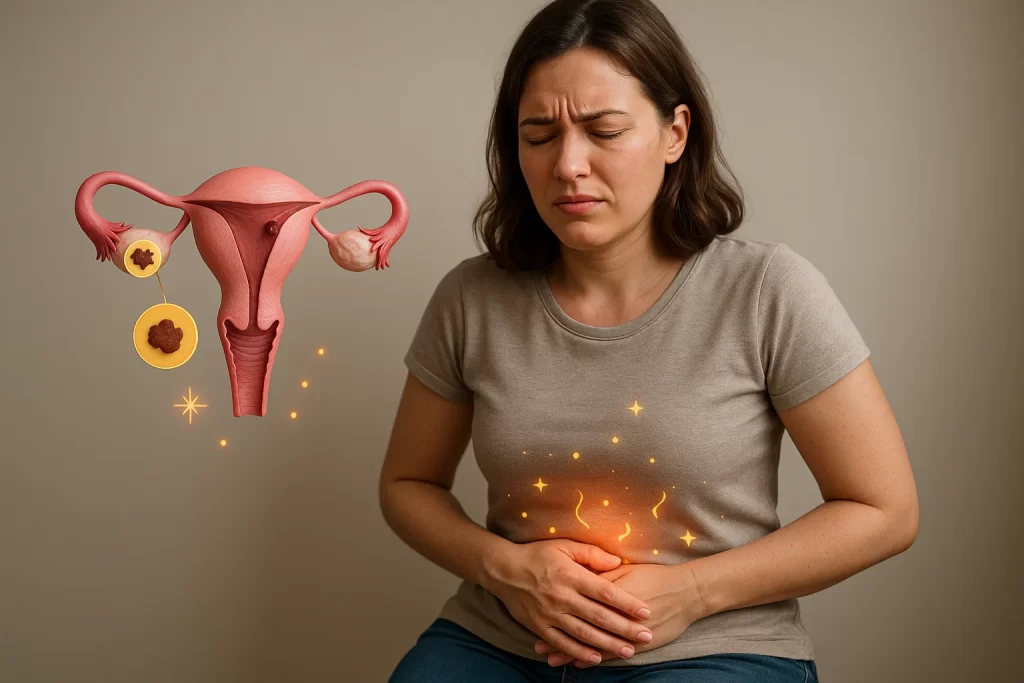
The abnormal endometrial tissue can trigger the formation of adhesions, where organs stick together, leading to pain and restricted movement. Imagine a garden where weeds grow outside their designated plot—this is similar to how endometrial tissue disrupts normal pelvic function. Over time, these tissues may form nodules, lesions, or cysts. A common type of cyst is the endometrial cyst, also known as a chocolate cyst, which forms when blood from the tissue collects within the ovary, creating a dark, thick fluid.
Types of Endometriosis
Endometriosis is not a one-size-fits-all condition. It can manifest in different forms depending on where the endometrial-like tissue grows and how deeply it infiltrates surrounding structures. Understanding the types of endometriosis is important for recognizing symptoms, planning treatment, and predicting potential complications. Each type affects women differently and may require tailored management strategies.
1. Superficial Peritoneal Lesions
- Superficial peritoneal lesions are the mildest form of endometriosis. These occur on the surface of the peritoneum, the thin tissue lining the pelvic cavity. Though small and shallow, these lesions can still cause chronic pelvic pain, painful periods, or discomfort during ovulation. Women with superficial lesions may not show visible ovarian cysts, which sometimes makes diagnosis challenging. Despite being “mild,” these lesions can progress over time if untreated, highlighting the importance of early detection.
2. Ovarian Endometriomas (Chocolate Cysts)
- Ovarian endometriomas are one of the most common forms of endometriosis and are sometimes referred to as chocolate cysts due to the thick, dark fluid they contain. These cysts form when endometrial tissue attaches to the ovaries and fills with blood that cannot drain out. Over time, they can grow in size and lead to pelvic pain, bloating, and fertility challenges. While small cysts may be managed with medication, larger endometriomas often require surgical intervention to prevent damage to ovarian tissue and maintain fertility.
3. Deep Infiltrating Endometriosis (DIE)
- Deep infiltrating endometriosis is the most severe form, characterized by lesions that penetrate more than 5 millimetres into tissues. DIE can affect the bowel, bladder, uterosacral ligaments, and other deep pelvic structures. Women with DIE often experience intense pain during menstruation, sexual intercourse, bowel movements, or urination. This type of endometriosis is also more likely to interfere with fertility and may require complex surgical treatment. Because the lesions are deep and intertwined with organs, precise diagnosis using imaging and laparoscopy is essential.
4. Pelvic Endometriosis
- Pelvic endometriosis is a general term that includes lesions in multiple areas of the pelvic cavity. It may involve a combination of superficial lesions, endometriomas, and deep infiltrating tissue. Symptoms vary depending on which organs are affected, ranging from mild menstrual discomfort to severe, chronic pelvic pain and infertility. Pelvic endometriosis can also lead to adhesions, where organs stick together, further exacerbating pain and complicating surgical treatment.
Why Understanding the Type Matters
- Knowing the type of endometriosis is crucial because it guides treatment decisions. Mild lesions may be managed with medication and lifestyle changes, while deep infiltrating or large ovarian cysts often require surgery to relieve pain and protect fertility. Additionally, understanding the type helps women anticipate potential complications and engage in informed discussions with their healthcare providers.
- Each type of endometriosis has its unique presentation, challenges, and implications for long-term reproductive health. Early recognition, proper diagnosis, and personalized management strategies are key to minimizing pain, protecting fertility, and improving quality of life for women living with this condition.
Read Also: Best Pregnancy Exercises for Pelvic Pain – Relief & Strengthen
Endometriosis vs Adenomyosis
Many women confuse endometriosis and adenomyosis, but these are two distinct gynecological conditions, even though both involve the growth of endometrial tissue. Understanding the differences is crucial for accurate diagnosis, treatment, and management of symptoms. Both conditions can cause pelvic pain, heavy menstrual bleeding, and fertility challenges, but their location, mechanisms, and treatment approaches differ significantly.
Endometriosis occurs when endometrial-like tissue grows outside the uterus, often on the ovaries, fallopian tubes, or pelvic lining. These misplaced tissues continue to respond to hormonal cycles, causing inflammation, scar tissue, and adhesions. This can result in chronic pelvic pain, painful intercourse, bowel or bladder discomfort, and, in severe cases, infertility. Endometriosis can also form endometrial cysts (commonly called chocolate cysts) on the ovaries, which may require surgical intervention.
On the other hand, adenomyosis is a condition in which the endometrial tissue grows into the muscular wall of the uterus itself. This internal growth causes the uterine walls to thicken and can lead to heavy, prolonged periods, severe menstrual cramps, and a feeling of uterine enlargement or pelvic pressure. Unlike endometriosis, adenomyosis is limited to the uterus and does not produce cysts outside of the organ.
Symptoms Comparison
While both conditions can cause pain and heavy bleeding, the patterns differ. Endometriosis often leads to pain during ovulation, menstruation, or sexual activity and may include digestive symptoms like bloating or pain during bowel movements. Adenomyosis typically presents as constant uterine pain, increased menstrual flow, and bloating during periods. Notably, adenomyosis may make the uterus feel tender or enlarged during a pelvic exam, a feature less common in endometriosis.
Diagnosis & Treatment Differences
Diagnosis also differs between the two. Endometriosis is most reliably diagnosed via laparoscopy, allowing direct visualization of lesions and cysts. Imaging tools like MRI or ultrasound can assist but may miss smaller implants. Adenomyosis, however, is usually identified through ultrasound or MRI, which can detect thickening of the uterine wall or characteristic changes in tissue density.
Treatment strategies vary as well. For endometriosis, pain management, hormonal therapy, and laparoscopic surgery are common approaches, especially for severe cases or fertility concerns. Adenomyosis treatment focuses on hormonal therapy, anti-inflammatory medications, or, in severe cases, hysterectomy to remove the uterus. Both conditions can benefit from lifestyle measures, including anti-inflammatory diets, stress management, and gentle exercise, but medical supervision is essential.
Understanding the differences between endometriosis and adenomyosis helps women recognize symptoms, seek timely care, and explore the most effective treatment options. While they share some clinical features, knowing whether the tissue is inside or outside the uterus guides both diagnosis and therapy, ensuring better outcomes for pain relief, fertility, and overall quality of life.
Endometriosis Pain Types
One of the most challenging aspects of endometriosis is its pain, which can manifest in many ways and significantly impact daily life. Women with endometriosis often report pain that is more intense and persistent than typical menstrual cramps. Unlike regular period pain, which usually lasts a few days, endometriosis-related pain can be chronic, sometimes occurring before, during, or even after menstruation. This pain arises from the abnormal growth of endometrial tissue outside the uterus, which responds to hormonal changes in the body just like the uterine lining does. Because this tissue has no way to exit the body, it causes inflammation, scar tissue, and adhesions, all of which contribute to discomfort.
Period Pain (Dysmenorrhea)
Period pain in endometriosis is often severe, far beyond what many women consider normal. Women may experience cramping, throbbing, or stabbing sensations in the lower abdomen or pelvis, sometimes radiating to the lower back or thighs. Unlike typical menstrual cramps that respond well to over-the-counter painkillers, endometriosis-related dysmenorrhea can persist despite medication, lasting throughout the menstrual period and occasionally continuing before or after menstruation. The intensity of this pain can interfere with school, work, or daily activities, making early recognition essential.
Ovulation Pain
Some women with endometriosis experience pain during ovulation, a mid-cycle symptom that is often overlooked. This occurs when hormonal changes trigger existing endometrial lesions to become inflamed or irritated. The pain is usually unilateral (on one side), sharp, and sudden, sometimes accompanied by bloating or mild bleeding. This type of discomfort can affect fertility planning and may be mistaken for digestive issues, making awareness and accurate symptom tracking important.
Pain During Sex (Dyspareunia)
Pain during or after sexual intercourse is another common symptom, especially when lesions are located near the uterus, ovaries, or pelvic ligaments. This pain can range from a dull ache to intense stabbing sensations and can have a significant emotional impact, leading to stress, anxiety, or avoidance of intimacy. Dyspareunia is often underreported because of embarrassment or misconceptions about “normal” sexual discomfort, yet it is a hallmark symptom of endometriosis.
Pain During Bowel Movements or Urination
Endometrial tissue may also affect the bowel or bladder, causing painful bowel movements or urination, particularly during menstruation. Women may notice constipation, diarrhea, bloating, or a burning sensation while urinating. In severe cases, these symptoms may mimic gastrointestinal disorders like irritable bowel syndrome, which can delay diagnosis.
Back Pain and Leg Pain
Chronic lower back pain or radiating leg pain is often associated with deep infiltrating endometriosis (DIE), where lesions press on nerves or connective tissues. This type of pain can be persistent and may not respond well to standard pain relief, further affecting mobility and quality of life.
Understanding the Variability of Pain
It is important to recognize that the type and intensity of pain do not always correlate with the stage of endometriosis. Some women with mild endometriosis may experience severe discomfort, while others with advanced disease may have minimal symptoms. Keeping a detailed symptom diary can help healthcare providers diagnose the condition accurately and plan appropriate treatment.
Endometriosis pain is multifaceted, affecting menstrual cycles, ovulation, sexual activity, digestion, and even the musculoskeletal system. Early recognition and understanding of these pain types are essential for effective management, improving both physical health and emotional well-being.
Endometriosis Symptoms & Warning Signs
Endometriosis can manifest in a variety of ways, and symptoms may vary widely from woman to woman. The most recognizable symptom is chronic pelvic pain, which may intensify before or during menstruation. This pain is not limited to the pelvis; it may radiate to the lower back or legs, and in some cases, include pain during ovulation, sexual intercourse, or bowel movements. Women often report feeling fatigued, bloated, or nauseous during their periods, and some may experience unusually heavy menstrual bleeding.
Can Endometriosis Cause Weight Gain?
Weight gain may occur indirectly due to hormonal changes. Estrogen dominance, inflammation, and hormonal therapies used to manage endometriosis symptoms can contribute to fluid retention or mild weight fluctuations. While not a direct cause, many women notice changes in body composition as their condition progresses, adding to emotional and physical stress.
Symptom Checklist & Severe Stage Indicators
It’s important to recognize warning signs that indicate a severe stage of endometriosis:
- Persistent pelvic pain beyond normal periods
- Painful bowel movements or urination, especially during menstruation
- Difficulty conceiving or unexplained infertility
- Severe fatigue or chronic low energy
- Large ovarian cysts or recurring lesions
A structured symptom checklist helps women track their condition and communicate effectively with healthcare providers. Early recognition of these symptoms allows for timely intervention, potentially preventing complications.
Causes of Endometriosis & Risk Factors
Endometriosis is a complex condition that develops when tissue similar to the uterine lining grows outside the uterus, often in the pelvic cavity. Despite being a common disorder affecting millions of women of reproductive age, the exact causes of endometriosis remain uncertain. Researchers believe it results from a combination of genetic, hormonal, and environmental factors. Understanding the potential causes and risk factors is crucial for early detection and effective management of the condition.
What Causes Endometriosis? (Latest Medical Theories)
Medical science has proposed several theories to explain why endometriosis occurs. The most widely accepted is the retrograde menstruation theory, which suggests that during menstruation, some blood flows backward through the fallopian tubes into the pelvic cavity instead of leaving the body. This blood carries viable endometrial cells that implant on organs such as the ovaries, bladder, or intestines, where they continue to grow.
Another important perspective is immune system dysfunction. Normally, the body’s immune system identifies and eliminates misplaced tissue, but in women with endometriosis, these immune mechanisms may fail, allowing endometrial cells to survive and proliferate outside the uterus. Hormonal influences, particularly estrogen dominance, also play a key role by promoting the growth and inflammation of ectopic tissue. Lastly, emerging research explores stem cell abnormalities and coelomic metaplasia, where certain undifferentiated cells transform into endometrial-like tissue in unusual locations. These theories collectively highlight that endometriosis likely results from multiple interacting factors rather than a single cause.
Is Endometriosis Genetic?
Genetics play a significant role in endometriosis, and research indicates that the condition often runs in families. Women with a first-degree relative—such as a mother, sister, or daughter—diagnosed with endometriosis are two to three times more likely to develop the condition themselves. Twin studies further support a hereditary link, showing higher concordance rates for endometriosis in identical twins compared to fraternal twins. While no single gene has been identified as the sole cause, multiple genes related to immune function, inflammation, and hormonal regulation are suspected to increase susceptibility. Genetic predisposition does not guarantee that endometriosis will develop, but it does highlight the importance of early symptom recognition in women with a family history. This knowledge empowers women to seek medical evaluation promptly, potentially preventing complications such as infertility or chronic pelvic pain.
Who Can Get Endometriosis?
Endometriosis primarily affects women during their reproductive years, usually between the ages of 15 and 49. However, it can develop at any age, including adolescence, when menstrual cycles begin, or, more rarely, after menopause due to lingering hormonal influences or residual endometrial tissue. Women who have never given birth, have early-onset menstruation, or experience short menstrual cycles may be at higher risk. Chronic pelvic inflammation or conditions that affect immune function can also increase susceptibility. It’s important to note that endometriosis is not caused by lifestyle choices, and it is unrelated to sexual activity or hygiene. Awareness of who is most likely to be affected helps normalize early medical consultation for persistent pain, heavy bleeding, or infertility concerns, ensuring timely diagnosis and management.
Risk Factors Every Woman Should Know
Certain factors can increase the likelihood of developing endometriosis. Early menarche, meaning starting periods at a young age, and short menstrual cycles increase exposure to estrogen, which may promote abnormal endometrial growth. A family history of endometriosis, as discussed, significantly raises risk. Women who have never given birth are more prone, possibly because uninterrupted menstrual cycles allow repeated retrograde menstruation. Chronic inflammation or autoimmune conditions may also contribute to abnormal tissue growth. Additionally, exposure to environmental toxins, such as dioxins or endocrine-disrupting chemicals, has been suggested to play a role. While these risk factors do not guarantee endometriosis, they can alert women to monitor their symptoms more closely and seek professional care if warning signs appear. Recognizing these risks enables women to take proactive steps, including early screening, lifestyle modifications, and informed discussions with healthcare providers about symptom management and fertility planning.
Endometriosis Stages (Stage 1–4)
Endometriosis is classified into four stages based on the extent of endometrial tissue growth, adhesions, and ovarian involvement. Importantly, the stage of endometriosis does not always correlate with the severity of symptoms. Some women with minimal disease may experience intense pain, while others with severe disease might have only mild discomfort. Understanding the stages helps healthcare providers plan treatment and manage fertility concerns effectively.
Stage 1 – Minimal
In Stage 1, endometriosis is at its earliest and least invasive form. Small lesions or superficial implants may appear on the pelvic lining or the surface of organs, but adhesions are rare. Women in this stage may experience mild pelvic pain or slightly heavy periods, though some may have no noticeable symptoms at all. Fertility is usually not significantly affected at this stage, and treatment may focus on symptom management with medications such as NSAIDs or hormonal therapy. Early detection at Stage 1 can prevent disease progression and reduce long-term complications.
Stage 2 – Mild
Stage 2 endometriosis involves slightly deeper implants and a few small adhesions within the pelvic cavity. Endometrial tissue may begin to infiltrate structures like the ovaries or the ligaments supporting the uterus. Women often experience more noticeable period pain, discomfort during ovulation, or pain during sexual intercourse. Small endometrial cysts may start forming on the ovaries. Fertility can be mildly affected, especially if cysts or adhesions interfere with ovary function. Treatment may involve hormonal therapy, pain management, and in some cases, minor laparoscopic procedures to remove lesions.
Stage 3 – Moderate
Moderate endometriosis is characterized by the presence of multiple ovarian cysts (endometriomas), deeper lesions, and more extensive adhesions. Pelvic organs may begin to stick together, causing increased pelvic pain, digestive issues, and discomfort during sex or bowel movements. Women in Stage 3 often experience worsening symptoms, including heavy menstrual bleeding and fatigue. Fertility challenges become more common due to ovarian or tubal involvement. Laparoscopic surgery is frequently recommended to remove cysts and adhesions, relieve pain, and improve fertility outcomes.
Stage 4 – Severe
Stage 4 is the most advanced form of endometriosis. Extensive lesions, large endometriomas, and dense adhesions may affect multiple pelvic organs, including the bladder, intestines, and uterus. Chronic inflammation is common, leading to severe pelvic pain, painful intercourse, bowel and urinary problems, and significant menstrual disturbances. Fertility may be significantly impacted due to damage to ovaries or fallopian tubes. Women with Stage 4 endometriosis often require specialized surgical intervention to remove adhesions and cysts, combined with post-surgery hormonal therapy to prevent recurrence. Pain management and fertility planning are critical components of treatment at this stage.
Complications & Long-Term Effects of Endometriosis
Endometriosis is not just a source of chronic pelvic pain; it can have far-reaching effects on a woman’s physical health, emotional well-being, and quality of life. One of the most significant complications is infertility, which occurs when endometrial tissue and adhesions disrupt the reproductive organs. Lesions can block fallopian tubes, distort the pelvic anatomy, or create scar tissue that hinders the release and transport of eggs. Even when the tubes are clear, chronic inflammation caused by endometrial lesions can affect egg quality, fertilization, or implantation, making conception more challenging. Fertility difficulties are often a source of emotional distress for women trying to conceive, emphasizing the importance of early diagnosis and intervention.
Beyond reproductive complications, endometriosis can seriously impact daily life. Chronic pain, especially during periods, ovulation, or sexual activity, may make routine tasks difficult. Pain during bowel movements or urination can further limit normal functioning, leading to reduced mobility and social isolation. Many women also report fatigue, disrupted sleep, and digestive issues, all of which compound physical discomfort. Over time, these challenges may contribute to anxiety, depression, or feelings of frustration and helplessness, highlighting the need for both medical and emotional support.
Endometriosis can also lead to long-term pelvic health risks if left untreated. Continuous growth of lesions can result in adhesions, which are bands of scar tissue that cause organs to stick together. These adhesions can restrict organ movement, worsen pain, and complicate surgical interventions. Additionally, large ovarian cysts, known as endometriomas or “chocolate cysts,” may develop, potentially causing ovarian damage or rupture. Chronic inflammation associated with endometriosis has also been linked to an increased risk of other health problems, including autoimmune issues and, in rare cases, certain types of ovarian cancer.
Managing endometriosis proactively is therefore critical. Early diagnosis and treatment—whether through medication, hormonal therapy, or surgical intervention—can significantly reduce the severity of long-term complications. Women who maintain regular health check-ups, monitor symptoms carefully, and adopt supportive lifestyle measures are better positioned to preserve fertility, minimize pain, and protect overall pelvic health. With proper care, the long-term effects of endometriosis can be managed effectively, allowing women to lead active, fulfilling lives.
Diagnosing Endometriosis
Diagnosing endometriosis can be challenging because its symptoms often overlap with normal menstrual discomfort or other gynecological conditions. Women may experience chronic pelvic pain, painful periods, fatigue, or digestive issues that are frequently dismissed as “normal.” Early and accurate diagnosis is critical to manage symptoms effectively, preserve fertility, and prevent complications such as ovarian cysts or adhesions.
Doctors typically begin with a detailed medical history and pelvic examination, asking about menstrual cycles, pain patterns, and any family history of endometriosis. Imaging tests, including ultrasound and MRI, can help identify larger ovarian cysts or pelvic lesions. However, these tests may not detect smaller or superficial implants.
The gold standard for diagnosis is laparoscopic endometriosis, a minimally invasive surgical procedure. During laparoscopy, a small camera is inserted into the abdomen to directly visualize the pelvic organs. Surgeons can confirm the presence of endometriosis, determine its severity, and in many cases, remove lesions or cysts during the same procedure. While laparoscopy is highly effective, early detection remains difficult due to subtle initial symptoms. Prompt evaluation by a specialist can significantly improve long-term outcomes and reduce the risk of fertility complications.
Medications for Pain & Hormonal Control
Management of endometriosis often begins with medications aimed at controlling pain and regulating hormones. Nonsteroidal anti-inflammatory drugs (NSAIDs) such as ibuprofen are commonly prescribed to alleviate pelvic pain and cramps. These medications target inflammation caused by endometrial tissue, providing temporary relief during menstruation or flare-ups.
Hormonal therapy is another cornerstone of treatment. By altering the levels of estrogen and progesterone in the body, hormonal medications can suppress the growth of endometrial tissue and reduce inflammation. Combined oral contraceptives are frequently used to regulate cycles and decrease menstrual bleeding, while progestins or progestin-only pills can help shrink lesions and alleviate pain.
For women who do not respond to first-line therapies, stronger hormonal options such as GnRH agonists may be prescribed. These medications induce a temporary menopausal state by lowering estrogen levels, which can significantly reduce endometriosis activity. Although effective, hormonal therapy can have side effects like hot flashes, mood changes, and bone density reduction, so treatment is personalized based on symptoms, age, and fertility goals.
Read Also: Understanding Contraceptive Effects on Future Fertility
Hormonal Therapy Types Explained
Hormonal treatments are designed to suppress menstrual cycles and reduce endometrial tissue growth. The most common types include:
- Combined Oral Contraceptive Pills: Contain estrogen and progestin to regulate cycles, reduce menstrual flow, and limit endometrial growth. Ideal for long-term management and symptom control.
- Progestins: Administered as pills, injections, or implants, progestins thin the endometrial lining and prevent new lesion growth. They are often used for women who cannot take estrogen.
- GnRH Agonists: Drugs like leuprolide temporarily halt estrogen production, creating a hypoestrogenic state that stops endometrial activity. Usually prescribed short-term due to side effects like bone loss and hot flashes.
- Mirena IUD (Levonorgestrel-Releasing): This device releases progestin locally, reducing endometrial tissue activity, alleviating pain, and decreasing heavy menstrual bleeding with minimal systemic side effects.
Each hormonal therapy has benefits and limitations, and the choice depends on factors such as pain severity, desire for pregnancy, and tolerance to side effects. Regular monitoring and follow-ups are essential to adjust treatment for maximum benefit while minimizing complications.
Endometriosis Surgery: When It’s Needed
Surgery is recommended when medications fail to control symptoms, lesions are large, or fertility preservation is a priority. Laparoscopic excision is the most common procedure, allowing surgeons to remove endometriotic tissue, cysts, and adhesions while preserving reproductive organs. Unlike older methods that simply cauterized tissue, modern excision aims to remove lesions completely, reducing recurrence risk.
Surgery can significantly improve pain levels, enhance fertility, and prevent further organ damage. Recovery is generally quick, with most women resuming normal activities within 2–6 weeks. However, post-operative care is crucial, including pain management, light activity, and monitoring for recurrence.
In severe cases, such as when lesions involve the bowel, bladder, or large ovarian cysts, more extensive surgical procedures may be necessary. These are typically planned by specialized gynecologists or reproductive surgeons. While surgery is highly effective, it is not a permanent cure, and a combination of post-surgery hormonal therapy, lifestyle adjustments, and regular follow-up is often recommended to maintain long-term relief.
Post-Surgery Recovery Tips
Recovering from endometriosis surgery, particularly laparoscopic excision, requires both patience and proper care. While laparoscopy is minimally invasive, the body still needs time to heal, and following post-operative guidelines can significantly impact your recovery speed and comfort. Typically, most women can expect initial healing within 2 to 6 weeks, but complete internal recovery may take longer depending on the extent of the surgery and any adhesions or cysts that were removed.
Pain management is a key part of recovery. Mild to moderate pain, cramping, or soreness around the incision sites is normal in the first few days. Doctors often recommend over-the-counter pain relievers or prescribed medications as needed. Using heat therapy, such as warm compresses on the lower abdomen or lower back, can help relax muscles and ease discomfort. It’s important to monitor pain levels and report any sudden increases, severe cramps, or unusual symptoms, such as fever or excessive bleeding, to your healthcare provider immediately.
Activity modifications are equally important. While gentle walking is encouraged to promote circulation and prevent blood clots, heavy lifting, intense exercise, or sexual activity should be avoided until cleared by your doctor. This period of rest allows internal tissues and surgical sites to heal properly, reducing the risk of adhesions or complications. Gradually reintroducing normal activities, while listening to your body’s signals, can prevent setbacks and promote smoother recovery.
Nutrition and hydration also play a crucial role. Consuming a balanced, anti-inflammatory diet rich in fruits, vegetables, lean proteins, and omega-3 fatty acids can support tissue repair and reduce post-operative inflammation. Staying well-hydrated improves circulation and aids the body in flushing out toxins. Some women find that smaller, frequent meals are easier to digest in the early recovery phase, especially if they experience bloating or mild gastrointestinal discomfort.
Finally, emotional and mental well-being should not be overlooked. Surgery and recovery can be mentally taxing, especially for women who have dealt with chronic pain or fertility concerns. Practicing stress-reducing activities such as meditation, deep breathing exercises, or gentle yoga can aid overall healing. Additionally, connecting with support groups or counseling services can provide encouragement, guidance, and reassurance during this vulnerable period.
Can Endometriosis Go Away on Its Own?
Endometriosis is a chronic condition that, unfortunately, does not go away on its own. Unlike temporary menstrual cramps or minor hormonal fluctuations, endometriosis involves the growth of endometrial-like tissue outside the uterus, which continues to respond to hormonal cycles every month. This misplaced tissue can bleed, inflame surrounding organs, and lead to the formation of adhesions, nodules, or cysts. Because of this persistent activity, the condition typically progresses over time if left unmanaged, rather than resolving spontaneously.
Many women hope that symptoms will improve naturally after a few cycles, but this is rarely the case. While some may experience temporary relief during pregnancy or after menopause due to hormonal changes, the underlying lesions do not simply disappear. Relying solely on the hope of self-resolution can be risky, as untreated endometriosis may worsen, leading to chronic pelvic pain, fertility issues, and complications like ovarian cysts or deep tissue infiltration.
Management of endometriosis focuses on controlling symptoms and slowing progression rather than expecting a natural cure. Medications such as hormonal therapy or painkillers can help reduce inflammation, alleviate pain, and shrink lesions to some extent, but they do not eliminate the disease entirely. Surgical options like laparoscopic excision remove endometrial tissue physically, offering longer-term relief, particularly for women seeking fertility preservation.
Early diagnosis and consistent management are therefore essential. Ignoring symptoms or delaying treatment can make future interventions more complicated and less effective. Lifestyle approaches—such as anti-inflammatory diets, regular exercise, stress reduction, and home therapies—can complement medical care, easing discomfort and improving quality of life. However, these methods cannot replace medical intervention, and women should always consult a gynaecologist to develop a personalized care plan.
Endometriosis will not resolve on its own, and proactive management is crucial. Combining medical treatment, surgical intervention when necessary, and lifestyle modifications offers the best chance to control symptoms, reduce complications, and maintain fertility. Healthcare providers like Nimaaya provide advanced and personalized care for women with endometriosis, helping manage pain effectively and improving long-term health outcomes.
What Happens If It’s Left Untreated?
Leaving endometriosis untreated can have a profound impact on both a woman’s physical health and overall quality of life. While some may experience mild symptoms, the condition is progressive and can worsen over time. The misplaced endometrial tissue continues to respond to hormonal cycles, causing repeated inflammation and bleeding in areas outside the uterus. This ongoing process can lead to the formation of scar tissue, adhesions, and cysts, which may permanently affect pelvic organs, particularly the ovaries, fallopian tubes, and bladder. Over time, untreated endometriosis can cause organs to stick together, leading to chronic pelvic pain and functional issues, making simple daily activities uncomfortable or even debilitating.
One of the most significant consequences of untreated endometriosis is its impact on fertility. Adhesions and endometrial cysts (commonly known as chocolate cysts) can block the fallopian tubes or distort ovarian anatomy, reducing the chances of natural conception. Even when conception is possible, women with advanced endometriosis may face challenges like poor egg quality or implantation difficulties. Moreover, chronic inflammation associated with untreated endometriosis may create an environment that is not optimal for pregnancy, potentially contributing to recurrent miscarriages or complications during gestation.
Untreated endometriosis can also severely affect mental and emotional health. Chronic pain and fatigue can lead to anxiety, depression, sleep disturbances, and social withdrawal. Many women report frustration and emotional strain due to delayed diagnosis or ineffective symptom management. The constant discomfort, combined with limitations on daily activities or physical intimacy, can affect relationships, work performance, and overall quality of life. It’s important to understand that endometriosis is not just a physical condition—it can have deep emotional and social repercussions if left unaddressed.
In addition to pain and infertility, long-term untreated endometriosis can lead to more serious complications. The persistent inflammation may increase the risk of forming larger ovarian cysts that require surgical intervention. In rare cases, chronic inflammation and adhesions may affect nearby organs such as the bladder or intestines, causing bowel obstruction, urinary difficulties, or digestive problems. Even after eventual treatment, delayed intervention can make surgical procedures more complex and recovery longer. Therefore, early diagnosis and proactive management are essential to prevent long-term damage and preserve both reproductive and overall health.
Emotional & Mental Health Impact
Endometriosis is not just a physical condition; its effects often extend deep into a woman’s emotional and mental well-being. Chronic pain, fatigue, and discomfort can significantly disrupt daily life, making even simple tasks challenging. Over time, this constant struggle may lead to feelings of frustration, helplessness, and isolation. Many women report that the invisible nature of the condition—where pain is ongoing but not always visible to others—can lead to misunderstandings from family, friends, or coworkers. This lack of recognition can intensify feelings of anxiety and emotional stress.
Living with endometriosis can also impact mental health in profound ways. Chronic pain is strongly linked to anxiety and depression, as the body and mind remain in a state of ongoing stress. The unpredictability of symptoms—pain flaring unexpectedly, fatigue limiting activity, or fertility concerns arising—can make planning daily life or long-term goals difficult. Women may experience low mood, irritability, and decreased motivation, which can affect personal relationships and social engagement. For many, the emotional toll is as significant as the physical pain, making comprehensive care essential.
Fertility challenges associated with endometriosis add another layer of emotional strain. The uncertainty of conceiving naturally or needing fertility treatments can create stress, sadness, or even grief, especially for women who have longed to become mothers. Couples may also experience tension or feelings of guilt, which further exacerbate mental health concerns. Recognizing the psychological impact of endometriosis is crucial; emotional well-being should be addressed alongside physical symptoms in treatment planning.
Support systems, including counseling, therapy, and support groups, play a vital role in helping women cope with endometriosis. Connecting with others who share similar experiences can provide validation and emotional relief. Mind-body techniques such as mindfulness, meditation, and gentle yoga can reduce stress, improve mood, and enhance overall quality of life. Healthcare providers increasingly emphasize a holistic approach to endometriosis management, acknowledging that emotional and mental health is as critical to recovery and well-being as medical treatment. Addressing mental health not only improves day-to-day functioning but also empowers women to better manage pain, adhere to treatment plans, and maintain social and professional engagement.
Endometriosis Diet (Foods to Eat & Avoid)
Nutrition plays a significant role in managing endometriosis symptoms. While diet alone cannot cure the condition, certain foods can help reduce inflammation, improve hormone balance, and support overall reproductive health. Conversely, some foods may worsen inflammation and increase pelvic pain or bloating. Understanding which foods to include and which to limit can make daily life more comfortable for women living with endometriosis.
Foods to Eat:
Incorporating anti-inflammatory foods into your diet can help manage endometriosis symptoms. Leafy greens such as spinach, kale, and broccoli are rich in antioxidants that help reduce inflammation. Fatty fish like salmon, mackerel, and sardines provide omega-3 fatty acids, which are known to combat inflammation and support hormonal balance. Whole grains, beans, lentils, and other fiber-rich foods can help regulate estrogen levels by supporting healthy digestion and hormone metabolism. Additionally, colorful fruits such as berries, cherries, and oranges contain antioxidants that fight oxidative stress and may reduce the severity of pain. Spices like turmeric and ginger also have natural anti-inflammatory properties, making them excellent additions to daily meals.
Foods to Avoid:
Certain foods can exacerbate endometriosis symptoms by promoting inflammation or hormonal imbalance. Highly processed foods, including packaged snacks, refined sugars, and fast food, are linked to increased inflammation and may intensify pelvic pain. Excessive red meat consumption can also worsen inflammation due to high saturated fat content. Dairy products may affect some women by triggering estrogen dominance or digestive discomfort. Caffeine and alcohol, in large amounts, can increase estrogen levels and contribute to bloating or pain. Limiting these foods can help reduce flare-ups and create a more balanced internal environment.
Supplements and Nutritional Support:
In addition to whole foods, some women benefit from supplements to support overall pelvic and hormonal health. Omega-3 supplements, vitamin D, and magnesium may help reduce inflammation and support hormone regulation. However, supplements should complement, not replace, a nutrient-rich diet. Consulting with a healthcare provider or dietitian ensures that supplementation is safe and effective for your individual needs.
Lifestyle Tips Alongside Diet:
Pairing a balanced diet with other lifestyle habits can improve symptom management. Regular physical activity, yoga, and stress-reducing practices such as meditation or deep breathing help decrease inflammation and improve circulation. Staying hydrated and consuming foods with natural diuretic properties, such as cucumbers or watermelon, may also reduce bloating and discomfort. Remember, dietary changes are part of a holistic approach—they help manage symptoms but do not replace medical treatment or follow-up care.
By focusing on anti-inflammatory foods, reducing processed and high-fat items, and supporting the body with appropriate supplements, women with endometriosis can create a diet that supports their overall well-being. A thoughtful, consistent approach to nutrition not only eases physical discomfort but also promotes better energy levels, hormonal balance, and long-term reproductive health.
Endometriosis & Life Stages
Endometriosis is a condition that evolves with a woman’s life stages, affecting menstrual cycles, fertility, pregnancy, and even post-menopausal health. Understanding how it interacts with these different phases helps women plan their care, manage symptoms, and make informed decisions about family planning and treatment. While it primarily impacts women of reproductive age, its effects can persist beyond menstruation, making awareness at every stage essential.
Endometriosis and Fertility
Fertility is one of the most significant concerns for women diagnosed with endometriosis. The condition can cause adhesions, ovarian cysts, or blockages in the fallopian tubes, which may hinder natural conception. However, many women with mild or moderate endometriosis still conceive naturally. For those facing challenges, assisted reproductive techniques such as intrauterine insemination (IUI) or in vitro fertilization (IVF) can be highly effective. Surgical interventions, such as laparoscopic excision of endometrial lesions, can further improve fertility outcomes by removing obstructions and restoring pelvic anatomy. Understanding these options empowers women to take proactive steps toward family planning while managing symptoms effectively.
Endometriosis During Pregnancy
Pregnancy can temporarily alter the course of endometriosis due to hormonal changes, particularly increased progesterone levels, which often reduce the activity of endometrial lesions. Many women experience relief from menstrual pain during pregnancy. However, it’s important to note that some risks remain. Rare complications can include preterm labor or ovarian cyst growth during pregnancy. Maintaining close contact with an obstetrician or gynecologist is crucial to monitor symptoms and ensure both maternal and fetal health. Pregnancy may not cure endometriosis, but careful management can improve comfort and outcomes during this stage of life.
Endometriosis After Menopause
Endometriosis is primarily a disease of reproductive years, but it can persist after menopause, albeit rarely. Post-menopausal lesions are usually less active due to reduced estrogen levels, but symptoms can occasionally flare, especially in women undergoing hormone replacement therapy (HRT). Even at this stage, monitoring is important, particularly for women with a history of extensive disease or previous surgery. Management strategies for older women focus on symptom relief, hormone management, and ensuring that any residual or recurrent lesions do not cause complications.
Managing Life Stages with Endometriosis
Throughout life, women with endometriosis benefit from individualized care that adapts to each stage. Young women may focus on pain management and fertility preservation, while those planning pregnancy may explore assisted reproductive options. During pregnancy, monitoring and symptom control are key, and post-menopause, the focus shifts to maintaining pelvic health and managing occasional flare-ups. Lifestyle adjustments, including diet, exercise, and stress reduction, play an ongoing role across all life stages. Early diagnosis and proactive management allow women to maintain quality of life, regardless of the stage of life or severity of the condition.
Endometriosis does not have to define any stage of a woman’s life. With proper medical guidance, personalized treatment plans, and self-care strategies, women can navigate reproductive challenges, pregnancy, and menopause confidently while minimizing discomfort and long-term complications.
Prevention & Self-Care Tips
Endometriosis is a chronic condition that cannot be fully prevented, but women can take proactive steps to manage symptoms and reduce flare-ups. While there is no guaranteed way to stop endometrial tissue from growing outside the uterus, adopting a healthy lifestyle and self-care routine can significantly improve daily comfort, reduce inflammation, and enhance overall well-being. Awareness of triggers, maintaining a balanced diet, and integrating gentle exercise into daily life are essential strategies.
A key aspect of self-care is dietary management. Incorporating anti-inflammatory foods like leafy greens, fatty fish rich in omega-3s, turmeric, nuts, and seeds can help calm inflammation that often accompanies endometriosis. Avoiding processed foods, refined sugar, excessive caffeine, and trans fats may prevent symptom worsening. Staying well-hydrated and including fiber-rich foods can also support digestive health, as bowel issues are common among women with endometriosis. While diet alone cannot cure the condition, it serves as an important complementary approach to medical treatment.
Exercise and physical activity play a vital role in self-management. Low-impact exercises like walking, swimming, yoga, or Pilates help improve blood flow, reduce pelvic congestion, and ease muscular tension. Stretching and targeted yoga poses can relieve lower back pain, hip discomfort, and pelvic tightness caused by endometrial lesions. Even moderate daily movement can help regulate hormones and improve mental health, which is often affected by chronic pain and fatigue.
Managing stress and mental well-being is equally important. Chronic pain and emotional strain can exacerbate symptoms, making stress reduction techniques like mindfulness meditation, deep-breathing exercises, or guided relaxation highly beneficial. Support groups or counseling provide emotional support, allowing women to share experiences, learn coping strategies, and feel less isolated. Additionally, practical self-care measures such as using a heating pad for pelvic cramps, taking warm baths, or scheduling rest periods during heavy menstrual days can make a noticeable difference in comfort and daily functioning.
Ultimately, self-care for endometriosis is about consistency and awareness. Women should monitor symptoms, note triggers, and combine lifestyle adjustments with professional medical guidance. While these measures cannot eliminate the disease, they empower women to lead more comfortable and balanced lives, complementing treatments prescribed by gynecologists or specialists. A proactive self-care routine ensures that women not only manage pain but also maintain physical and emotional well-being over time.
Endometriosis Home Remedies / Natural Management
While medical treatment is essential for managing endometriosis, incorporating home remedies and natural management strategies can complement professional care and help reduce pain and discomfort. These approaches focus on easing inflammation, improving circulation, and supporting hormonal balance, which can make daily life more manageable for women dealing with chronic pelvic pain.
One of the most effective home remedies is heat therapy. Applying a heating pad or hot water bottle to the lower abdomen can relax pelvic muscles, increase blood flow, and reduce cramping. Many women find that a warm bath or a combination of heat and gentle massage provides temporary relief during menstruation or flare-ups. Regular application of heat, especially before and during painful periods, can significantly improve comfort without any side effects.
Dietary and nutritional adjustments also play a role in natural management. Anti-inflammatory foods like leafy greens, berries, turmeric, ginger, and fatty fish (rich in omega-3) may help reduce systemic inflammation and ease pelvic pain. Conversely, limiting processed foods, refined sugars, caffeine, and high-fat dairy products can prevent additional inflammation and bloating. Some women find supplements like omega-3 fatty acids, vitamin D, and magnesium helpful in alleviating discomfort, though these should be used under the guidance of a healthcare provider.
Exercise and gentle movement are another cornerstone of home management. Low-impact activities such as yoga, pilates, swimming, and walking can strengthen core muscles, improve blood circulation, and reduce stress. Certain yoga poses, like the child’s pose, cat-cow stretch, or supine twists, specifically target the pelvic region, helping relieve tension and promote relaxation. Regular movement also supports hormonal balance, which is crucial for women managing endometriosis symptoms.
Stress management techniques are equally important. Chronic pain and hormonal fluctuations can heighten anxiety and fatigue, creating a cycle that worsens symptoms. Practices such as meditation, deep breathing exercises, mindfulness, and even journaling can help calm the nervous system, reduce perceived pain, and improve overall well-being. Combining these stress-reduction strategies with heat therapy, dietary changes, and gentle exercise often leads to noticeable improvements in comfort and quality of life.
It’s important to note that home remedies and natural management strategies do not cure endometriosis. They are supportive measures that help reduce pain, inflammation, and discomfort alongside medical treatment. Women should always consult their healthcare provider before starting new supplements or intensive exercise routines, especially if they are managing large ovarian cysts, planning pregnancy, or recovering from surgery.
By integrating these natural approaches into a daily routine, women with endometriosis can regain a sense of control, improve their physical comfort, and enhance overall quality of life while complementing the medical therapies recommended by their doctors.
Endometriosis Myths vs Facts
Endometriosis is surrounded by misconceptions, which can make it harder for women to seek timely treatment or understand their symptoms. Separating myths from facts is essential to empower women with accurate knowledge, reduce stigma, and promote proactive healthcare decisions. Many women endure years of severe pain believing it is a “normal part of menstruation,” which can delay diagnosis and proper treatment. Understanding the truths about this condition can help women identify warning signs, explore treatment options, and improve their quality of life.
Myth 1: Painful periods are normal
Many people assume that severe menstrual cramps are a standard part of being a woman. While mild period discomfort is common, intense pelvic pain, pain during ovulation, or pain during intercourse is not normal and may indicate endometriosis. Women often underestimate the severity of their symptoms, thinking that everyone experiences the same level of pain. In reality, persistent pain that interferes with daily life should never be dismissed. Recognizing abnormal menstrual pain early is crucial for timely evaluation and intervention.
Myth 2: Endometriosis causes infertility in all women
Although endometriosis can affect fertility, not all women with the condition are unable to conceive. Many women with mild or moderate endometriosis achieve pregnancy naturally. Fertility challenges arise primarily in advanced cases, especially when ovarian endometriomas or deep infiltrating lesions are present. Treatments such as laparoscopic surgery or assisted reproductive technologies like IVF and IUI can improve fertility outcomes. Therefore, while endometriosis can influence reproduction, it does not guarantee infertility.
Myth 3: Hysterectomy is a cure for endometriosis
A common misconception is that removing the uterus will eliminate endometriosis. In reality, endometriosis can persist even after a hysterectomy because the condition involves tissue growing outside the uterus. Only complete excision of endometrial lesions during surgery can effectively reduce pain and prevent recurrence. Hysterectomy is generally considered a last-resort option, particularly when symptoms are severe, other treatments have failed, or fertility is no longer a concern.
Myth 4: Endometriosis only affects older women
Endometriosis primarily affects women of reproductive age, often starting in their teens or early twenties. Many young women experience symptoms for years before receiving a diagnosis. Delaying evaluation can lead to worsening pain and potential complications like ovarian cysts or infertility. Awareness that endometriosis can occur at a young age encourages earlier medical consultation and proactive symptom management.
Myth 5: Diet and lifestyle can cure endometriosis
While lifestyle changes such as a balanced diet, anti-inflammatory foods, regular exercise, and stress management can help manage symptoms, they do not cure endometriosis. Natural remedies may reduce pain or inflammation temporarily, but the underlying lesions persist and require medical evaluation for long-term management. Relying solely on diet or lifestyle without professional treatment may delay necessary interventions and worsen outcomes.
When to See a Doctor
Recognizing when it’s time to consult a healthcare professional is crucial for managing endometriosis effectively. Many women often dismiss persistent pelvic discomfort, assuming that severe menstrual cramps or occasional abdominal pain are “normal.” However, endometriosis is a progressive condition, and early medical intervention can prevent complications such as chronic pain, fertility issues, and organ adhesions.
You should see a doctor if you experience pelvic or abdominal pain that persists beyond your normal menstrual cycle or becomes increasingly severe. Pain during menstruation that disrupts your daily routine, interferes with work, or prevents you from engaging in regular activities is a clear warning sign. Similarly, discomfort during ovulation, sexual intercourse, or bowel movements, especially when accompanied by bloating, nausea, or fatigue, warrants professional evaluation.
Another critical reason to seek medical advice is fertility concerns. If you have been trying to conceive for six months to a year without success, particularly if you experience other endometriosis symptoms, it is important to discuss your situation with a gynaecologist. Endometriosis can impact egg quality, block fallopian tubes, or create adhesions, making early assessment and treatment vital for women planning pregnancy.
Other signs that indicate a medical consultation include heavy menstrual bleeding, irregular periods, or the presence of ovarian cysts detected during routine exams. Even if symptoms seem mild, ongoing monitoring is essential because endometriosis can silently progress. A timely visit to a specialist ensures accurate diagnosis, appropriate treatment planning—whether through medication, hormonal therapy, or surgery—and better long-term health outcomes. Consulting a doctor is not just about pain relief; it is about safeguarding reproductive health, mental well-being, and overall quality of life.
Questions to Ask Your Gynecologist
When dealing with endometriosis, it is essential to have open and informed conversations with your gynecologist. Many women feel overwhelmed by the complexity of the condition, the variety of treatment options, and the potential impact on fertility and daily life. Preparing a set of thoughtful questions before your appointment can help ensure you leave with clarity, confidence, and a personalized plan for managing your condition.
Understanding Your Diagnosis and Stage
- What stage of endometriosis do I have? Knowing your stage—from minimal to severe—helps in understanding the severity, treatment options, and possible complications. It also provides a benchmark for tracking progress over time.
- How widespread are my lesions? Ask about the location of the endometrial tissue and whether it affects your ovaries, fallopian tubes, or other pelvic organs. Understanding this can help predict symptoms and potential fertility issues.
- Do I have endometrial cysts (endometriomas) or deep infiltrating endometriosis? Clarifying the type of endometriosis helps guide treatment decisions, whether medication, surgery, or a combination of both.
Treatment Options and Their Implications
- What are my treatment options? Explore medications for pain and hormonal therapy, as well as surgical options like laparoscopic excision. Ask about the expected outcomes, side effects, and long-term effectiveness.
- Is surgery necessary for me? Surgery may be recommended in cases of severe pain, large cysts, or fertility preservation. Ask whether it’s urgent or elective, and what the expected recovery timeline is.
- Can hormonal therapy help me manage symptoms? Inquire about options such as birth control pills, progestins, GnRH agonists, or IUDs like Mirena, and their potential impact on fertility and overall health.
- Are there non-surgical options to manage pain and inflammation? Discuss lifestyle modifications, dietary changes, or complementary therapies that may alleviate discomfort alongside medical treatment.
Fertility and Pregnancy Considerations
- Can I get pregnant naturally with endometriosis? Some women can conceive without intervention, while others may need fertility treatments such as IUI or IVF. Understanding your fertility potential helps in planning your family.
- Should I consider fertility preservation? If you are not planning a pregnancy immediately, ask whether egg freezing or other strategies may be appropriate.
- How will treatment affect my chances of pregnancy? Certain surgeries or medications may influence fertility positively or negatively. Clarifying this helps you make informed decisions.
Monitoring and Follow-Up Care
- How often should I have follow-up exams? Endometriosis can recur, so regular monitoring is critical to catch any new lesions early and adjust treatment plans.
- What warning signs should prompt me to call immediately? Ask your doctor which symptoms—such as sudden severe pain, bloating, or changes in bleeding—require urgent attention.
- Are there long-term health risks I should be aware of? Discuss potential complications, including ovarian cyst recurrence, chronic inflammation, or pelvic organ involvement.
Lifestyle and Support
- What lifestyle changes can help manage symptoms? Discuss anti-inflammatory diets, exercise, stress reduction techniques, and home remedies that complement medical treatment.
- Are there support groups or counseling services available? Emotional and mental health is often impacted by chronic pain and fertility challenges. Ask for resources to help cope with the emotional burden of endometriosis.
By asking these questions, women can actively participate in their care, make informed decisions, and develop a personalized plan that addresses both physical symptoms and emotional well-being. Preparing a list before your appointment ensures that you leave with clear guidance, realistic expectations, and actionable next steps for managing endometriosis effectively.
Know how endometriosis is diagnosed during infertility treatment from our expert IVF and fertility specialist in Surat, Dr. Pooja Nadkarni Singh:
Conclusion
Endometriosis is a chronic condition that affects millions of women, causing pain, fatigue, and potential fertility challenges. Early recognition of symptoms like pelvic pain, heavy periods, or painful intercourse is crucial, as timely medical intervention can prevent long-term complications such as adhesions, ovarian cysts, and chronic inflammation. While the condition can be physically and emotionally taxing, understanding it and seeking proper care makes it manageable.
With the right treatment approach—including hormonal therapy, minimally invasive surgery, lifestyle adjustments, and fertility support—women can significantly improve their quality of life. Fertility can often be preserved or restored with personalized care, and symptom relief is achievable through a combination of medical and lifestyle strategies. Emotional well-being is equally important, as chronic pain and fatigue can affect mental health, relationships, and daily functioning.
Among the available treatment options, Nimaaya – IVF Center offers a holistic and patient-centered approach for managing endometriosis. From accurate diagnosis and advanced surgical procedures to tailored hormonal therapy and ongoing support, Nimaaya focuses on long-term relief, improved fertility outcomes, and overall well-being. With early intervention and expert care, women with endometriosis can regain control, manage symptoms effectively, and lead fulfilling lives.
A famous Actress Shamita Shetty, got her treatment for Endometriosis at Nimaaya. Watch her experience talking about endometriosis treatment:
FAQs on Endometriosis
1. What are the first signs of endometriosis?
The first signs of endometriosis often include severe pelvic pain, painful periods, pain during sexual intercourse, or discomfort during bowel movements. Many women also experience fatigue, bloating, and irregular menstrual cycles.
2. How is endometriosis different from normal period pain?
While mild cramps during menstruation are normal, endometriosis pain is persistent, often intense, and may worsen over time. Unlike typical menstrual discomfort, it can occur outside periods, involve lower back or leg pain, and interfere with daily activities. Other symptoms such as heavy bleeding, bloating, and digestive issues help distinguish it from regular period pain.
3. What foods worsen endometriosis symptoms?
Certain foods can exacerbate endometriosis symptoms due to their inflammatory effects. Processed foods, refined sugar, red meat, high-fat dairy, and fried items may increase inflammation and worsen pelvic pain. Incorporating anti-inflammatory foods such as leafy greens, fatty fish, turmeric, and whole grains can help manage discomfort naturally.
4. Does endometriosis affect pregnancy?
Yes, endometriosis can impact fertility, particularly if there are endometrial cysts or pelvic adhesions. While many women can conceive naturally, others may require fertility treatments such as IUI, IVF or ICSI . During pregnancy, some symptoms may temporarily improve due to hormonal changes, but complications like miscarriage or preterm labour are rare and should be monitored closely by a healthcare professional.
5. Which treatment gives long-term relief from endometriosis?
Long-term relief usually requires a combination of medical management and surgical intervention. Hormonal therapy, pain medications, and minimally invasive endometriosis surgery like laparoscopic excision can reduce lesions, relieve pain, and improve fertility outcomes. Early treatment and personalized care are essential for sustained symptom control.
6. Can endometriosis be cured permanently?
Currently, there is no permanent cure for endometriosis. It is a chronic condition, but symptoms can be effectively managed with medications, surgery, and lifestyle modifications. Regular monitoring and early intervention reduce the risk of complications such as infertility, chronic pain, or pelvic endometriosis progression.
7. How serious is an endometrial cyst?
An endometrial cyst, also known as a chocolate cyst, can range from small and harmless to large and problematic. Large cysts may cause severe pelvic pain, menstrual irregularities, and fertility challenges. Depending on the size and impact, treatment may include medications or surgical removal to prevent further complications.
Download our E-book on Endometriosis from here: