
Pregnancy after the age of 35, often referred to as advanced maternal age or geriatric pregnancy, has become increasingly common in recent years. Women today are prioritizing careers, education, and personal growth, which means many are choosing to start families later than previous generations. This shift has led to a rise in pregnancies at age 35 and beyond, highlighting the importance of understanding the unique considerations associated with later motherhood.
With modern healthcare advancements, women at an advanced maternal age can have healthy pregnancies, but it is essential to be aware of the potential risks, necessary tests, and management strategies. Late pregnancies are influenced by a combination of lifestyle factors, such as delayed marriage, professional commitments, and improved fertility options like assisted reproductive technologies. Understanding these trends allows expectant mothers and their families to prepare appropriately, ensuring a safe and well-supported journey through pregnancy at age 35 or older.
Understanding Advanced Maternal Age: Meaning, Causes & Why It Matters
Advanced Maternal Age (AMA), often referred to as geriatric pregnancy, generally describes pregnancies in women aged 35 years and above. In medical terms, it marks a stage where fertility begins to decline, and pregnancy carries slightly higher risks compared to younger age groups. The term ‘elderly primigravida’ is used for women experiencing their first pregnancy after 35, highlighting the unique considerations required for late pregnancies. While the label “old age pregnancy” may sound intimidating, with modern prenatal care and monitoring, women can still have safe and successful pregnancies.
Biologically, aging affects the reproductive system in several ways. The quantity and quality of eggs gradually decline after the early 30s, which may impact fertility and increase the risk of chromosomal abnormalities. Hormonal changes can also influence ovulation and the menstrual cycle, making conception more challenging. Additionally, older mothers may have higher susceptibility to conditions such as gestational diabetes, hypertension, or preeclampsia. Understanding these factors helps women make informed decisions and plan for a healthy pregnancy.
There are several reasons why women are choosing to delay pregnancy, contributing to the rise in advanced maternal age pregnancies worldwide. Career and education commitments often lead women to prioritize professional growth before starting a family. Financial stability is another critical factor, as many couples aim to ensure a secure environment for raising a child. Social trends, including delayed marriage and longer life expectancy, also contribute to later childbearing.
Globally, the trend toward later pregnancies is on the rise. Data from multiple countries indicate that the proportion of women conceiving after 35 has steadily increased over the past two decades. With better access to fertility treatments, prenatal care, and advanced monitoring technologies, women are now able to achieve successful pregnancies later in life than ever before.
Causes of Advanced Maternal Age Pregnancy Trends
Pregnancy at age 35 and beyond has become increasingly common, reflecting both social and lifestyle shifts in modern society. One of the primary reasons is the growing trend of women prioritizing their careers and education before starting a family. Many women are now pursuing higher education, establishing financial stability, and achieving professional milestones before considering pregnancy. These factors often lead to delayed family planning, which contributes to the rise in elderly primigravida cases.
Technological advancements in fertility care have also expanded the possibilities for women wishing to conceive later in life. Assisted reproductive technologies (ART), including IVF, IUI, and egg freezing, allow women to extend their reproductive window safely. These medical interventions have made pregnancy after 35 more achievable, reducing the anxiety and risks historically associated with late pregnancies.
Overall, the combination of lifestyle choices, social shifts, delayed marriage, and access to fertility technologies explains why advanced maternal age pregnancies are becoming increasingly common worldwide. Understanding these causes helps women and healthcare providers anticipate potential challenges and plan effectively for a safe and healthy pregnancy.
Symptoms & Early Signs to Watch for in Advanced Maternal Age Pregnancy
Women experiencing pregnancy at 35 and above, classified under advanced maternal age, may notice symptoms similar to those of younger pregnancies, but certain signs require closer attention. Understanding geriatric pregnancy symptoms early can help ensure timely medical intervention and a healthier pregnancy journey.
In the first trimester, common signs of pregnancy—such as mild nausea, fatigue, breast tenderness, and frequent urination—are generally normal. However, women over 35 should be vigilant for red-flag symptoms that may indicate complications. These include unusual or heavy bleeding, severe nausea or vomiting that prevents hydration, sudden swelling, persistent headaches, or elevated blood pressure. Early detection of these symptoms allows healthcare providers to monitor and manage risks associated with advanced maternal age pregnancies more effectively.
It is equally important to reassure women that most early pregnancy symptoms are normal and not necessarily a cause for concern. Mild cramping, slight spotting, and occasional fatigue are often part of a healthy early pregnancy. Regular prenatal check-ups, routine blood work, and communication with your doctor can help differentiate between normal experiences and warning signs.
By recognizing both normal and concerning geriatric pregnancy symptoms, women can navigate their pregnancies with confidence, ensuring they receive the right care at the right time.
What Is Advanced Maternal Age? A Closer Look at Age-Related Pregnancy Changes
Advanced maternal age refers to pregnancies in women aged 35 and older, a stage where fertility gradually declines and pregnancy is classified as high risk pregnancy age. Women in this category may face slightly increased medical risks compared to younger mothers, making careful monitoring and proactive care essential. This period is also sometimes referred to as advanced gestational age, highlighting the biological and clinical considerations of late pregnancy. Understanding these changes helps women and healthcare providers anticipate challenges and plan for a healthy pregnancy.
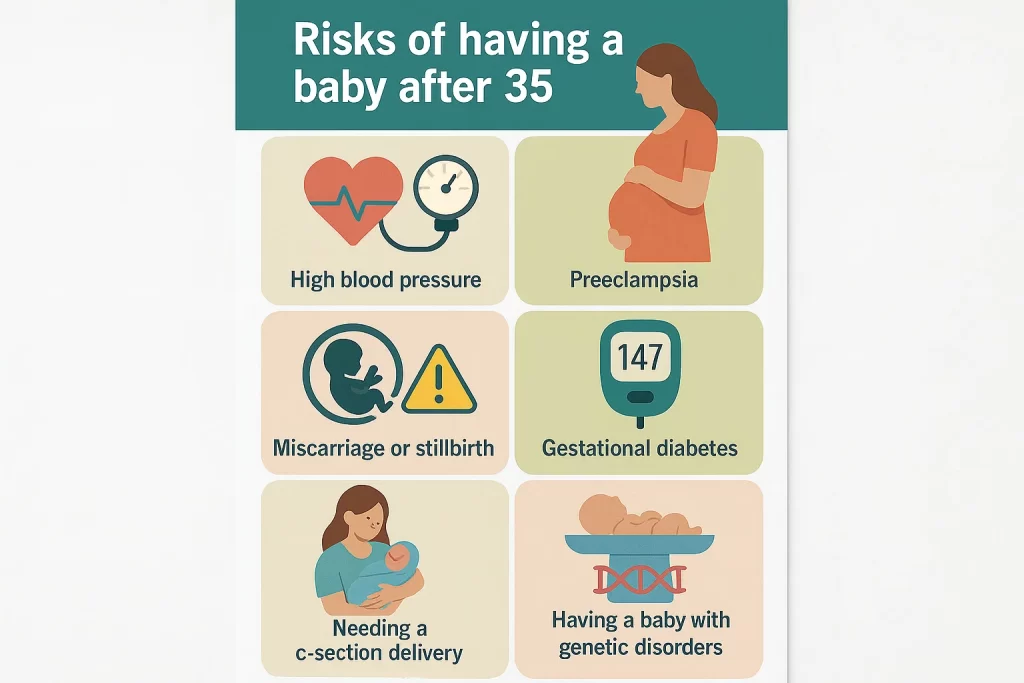
What Are the Risks of Having a Baby After 35?
Pregnancy at age 35 and beyond is associated with certain medical risks, though most women still have successful pregnancies with proper care:
- Chromosomal abnormalities:
The likelihood of conditions such as Down syndrome increases with maternal age due to changes in egg quality. - Higher miscarriage risk:
Studies show that women over 35 face a modestly elevated chance of early pregnancy loss and repeated miscarriages. - Gestational diabetes & hypertension:
Older mothers are more susceptible to high blood sugar levels and elevated blood pressure during pregnancy. - Preterm birth & placental complications:
Premature labor or placenta previa can be more common in AMA pregnancies. - Labor complications:
Difficult labor, longer labor duration, and increased likelihood of cesarean delivery may occur.
Why Are There More Complications If You’re Over 35 and Pregnant?
Several biological and lifestyle factors explain the higher complication rates in women experiencing advanced maternal age pregnancies:
- Egg aging and hormonal shifts: As women age, the quality and quantity of eggs decrease, and hormone levels fluctuate, affecting conception and pregnancy maintenance.
- Reduced ovarian function: Diminished ovarian reserve can contribute to infertility or early pregnancy loss.
- Lifestyle and health comorbidities: Conditions such as obesity, diabetes, or hypertension that develop with age can further increase pregnancy risks.
By understanding these risks and underlying causes, women planning pregnancy after 35 can work with their healthcare provider to implement preventive measures, monitor closely, and optimize outcomes.
Preconception Planning for Women Over 35
Proper advanced maternal age planning is essential for women considering pregnancy at age 35 or beyond. Taking proactive steps before conception can help optimize fertility, reduce potential risks, and improve the chances of a healthy pregnancy for both mother and baby.
- Fertility Testing: Before attempting pregnancy, it’s recommended to evaluate ovarian reserve and overall reproductive health. Common assessments include Anti-Müllerian Hormone (AMH) level test, antral follicle count, and other hormonal tests. These provide insight into egg quantity and quality, helping doctors tailor a personalized conception plan.
- Lifestyle Adjustments: Maintaining a healthy lifestyle is crucial for women planning pregnancy at an advanced age. This includes a balanced diet rich in vitamins and minerals, regular moderate exercise, and achieving a healthy BMI. Avoiding smoking, alcohol, and excessive caffeine can further support fertility and overall pregnancy health.
- Supplements: Preconception supplementation plays a key role in supporting both maternal and fetal health. Essential nutrients & reproductive medicine include folic acid, vitamin D, and omega-3 fatty acids, which contribute to healthy fetal development and reduce the risk of complications such as neural tube defects.
- Timing Conception and Ovulation Tracking: Understanding your ovulation cycle can significantly increase the likelihood of conception. Women over 35 may benefit from tracking ovulation using calendar methods, ovulation kits, or medical guidance to identify the most fertile window. Early consultation with a fertility specialist can also help address any age-related concerns.
Read Also: Starting Your Fertility Journey in 2025: Key Steps & Tips
Diagnosis and Tests: Screening & Monitoring in Advanced Maternal Age Pregnancy
For women experiencing advanced maternal age, timely and appropriate diagnostic testing is essential to ensure a safe and healthy pregnancy. Geriatric pregnancy tests and monitoring allow healthcare providers to detect potential complications early and provide personalized care plans. Regular screening is particularly important because pregnancies after 35 are considered higher risk and may require closer surveillance compared to younger pregnancies.
What Tests Are Recommended for an Advanced Maternal Age Pregnancy?
Women planning or experiencing pregnancy at an advanced age may be advised to undergo several key tests to monitor fetal development and maternal health:
- First Trimester Screening: Combines blood tests and ultrasound measurements to assess the risk of chromosomal abnormalities.
- NIPT (Non-Invasive Prenatal Testing): A highly accurate blood test to detect common genetic disorders such as Down syndrome.
- NT Scan, CVS, Amniocentesis: These diagnostic procedures evaluate fetal development and can confirm genetic conditions if needed.
- Detailed Anomaly Scan: Conducted around 18–22 weeks to check for structural abnormalities in the fetus.
- Glucose & Blood Pressure Monitoring: Essential for detecting gestational diabetes and hypertension, which are more common in older mothers.
- Fetal Echocardiography (if needed): Recommended for high-risk pregnancies to evaluate the baby’s heart structure and function.
Fertility Challenges & Treatment Options for Women Over 35
Women experiencing pregnancy at age 35 or beyond may face unique fertility challenges due to the natural decline in egg quality and quantity, making this age group classified under high risk pregnancy age. Understanding these challenges and available geriatric pregnancy treatment options can help women make informed decisions and improve their chances of a successful pregnancy.
- IVF, IUI, and Donor Eggs:
Assisted reproductive technologies (ART) are commonly recommended for women over 35. In vitro fertilization (IVF) and intrauterine insemination (IUI) can address age-related fertility issues. In cases where egg quality is low, donor eggs may be suggested to increase the likelihood of conception and a healthy pregnancy.
- Success Rates and Realistic Expectations:
While fertility treatments significantly improve chances, success rates decrease slightly with age. It’s important for women and couples to have realistic expectations and to discuss individual prognosis with a fertility specialist. Personalized counseling ensures decisions align with health status, age, and lifestyle factors.
- Hormonal Treatments if Necessary:
Some women may require hormonal support to optimize ovulation or prepare the uterine lining for implantation. Treatments such as progesterone supplementation or controlled ovarian stimulation can be recommended depending on the individual’s reproductive profile.
- Personalized Treatment Plans:
Every woman’s fertility journey is unique. Specialists develop tailored treatment plans that consider medical history, fertility test results, and personal preferences. This approach maximizes the chances of conception while minimizing risks associated with advanced maternal age pregnancies.
Management and Treatment: Ensuring a Safe Pregnancy After 35
Effective advanced maternal age pregnancy management is key to ensuring a healthy outcome for both mother and baby. Women experiencing pregnancy after 35 require a proactive, comprehensive approach that combines regular monitoring, personalized care, and lifestyle guidance to minimize risks associated with later pregnancies.
How Is an Advanced Maternal Age Pregnancy Treated?
- Early Prenatal Care and Risk Assessment:
Women should schedule prenatal visits as soon as pregnancy is confirmed. Early screening and risk assessment help identify potential complications, including gestational diabetes, hypertension, and chromosomal abnormalities, allowing timely interventions.
- Personalized Pregnancy Monitoring Plan:
Regular ultrasounds, blood tests, and specialist consultations create a tailored monitoring plan for each mother. High-risk pregnancies may require more frequent check-ups to ensure maternal and fetal well-being.
- Nutritional Counseling & Lifestyle Management:
Balanced nutrition is essential for maintaining maternal health and supporting fetal development. Healthcare providers may recommend specific dietary plans, supplements, and strategies to manage weight and blood sugar.
- Exercise and Weight Guidance:
Safe, moderate exercise improves circulation, reduces stress, and supports overall pregnancy health. Providers often give individualized exercise plans and weight management goals to prevent complications.
- Pre-existing Condition Management:
Women with conditions such as thyroid disorders, diabetes, or hypertension require careful monitoring and adjustment of medications to prevent adverse pregnancy outcomes.
Read Also: Decoding Parenthood: Unveiling the IVF Success Rates in India
Lifestyle & Diet Plan for Pregnancy After 35
Maintaining a healthy lifestyle is crucial for women experiencing pregnancy after 35. Proper nutrition, physical activity, and self-care can support fertility, minimize complications, and promote overall well-being during advanced maternal age pregnancies.
- Fertility-Friendly Foods:
A diet rich in whole grains, lean proteins, fruits, and vegetables provides essential nutrients for maternal and fetal health. Foods high in antioxidants, iron, and folate help support egg quality, reduce inflammation, and promote healthy fetal development. Incorporating healthy fats such as avocados, nuts, and olive oil can further enhance fertility and hormonal balance.
- Vitamins and Supplements:
Women over 35 are encouraged to take targeted supplements to support pregnancy. Folic acid is essential to prevent neural tube defects, while vitamin D, calcium, and omega-3 fatty acids promote bone health and cognitive development. Always consult a healthcare provider to tailor supplements to individual needs.
- Safe Exercise and Yoga:
Regular, moderate exercise improves circulation, reduces stress, and supports a healthy weight. Low-impact activities like walking, swimming, and prenatal yoga are ideal for advanced maternal age pregnancies, enhancing flexibility and reducing the risk of complications such as gestational diabetes.
- Sleep, Stress Management, and Hydration Tips:
Adequate sleep and proper hydration are vital for maternal health. Stress management techniques such as meditation, deep breathing exercises, and mindfulness can help regulate blood pressure and improve overall pregnancy outcomes. Prioritizing rest and relaxation ensures that both mother and baby remain healthy and resilient.
Emotional & Mental Health Considerations
Pregnancy at an advanced maternal age can bring unique emotional challenges. Women often experience pregnancy stress, anxiety, or self-doubt due to concerns about fertility, potential complications, or societal expectations. Addressing mental health is as important as physical well-being for ensuring a healthy pregnancy experience.
- Anxiety Around Pregnancy at Older Age:
Many women worry about the risks associated with advanced maternal age, including miscarriage, chromosomal abnormalities, or complications during labor. These concerns can lead to heightened stress levels, which may affect sleep, appetite, and overall mood. Recognizing these emotions as normal is the first step in managing them effectively.
- Counseling Options & Support Groups:
Professional counseling, therapy, or participation in support groups for older mothers can provide valuable guidance and reassurance. Sharing experiences with peers in similar situations helps reduce isolation, promotes emotional resilience, and offers practical advice for navigating pregnancy challenges.
- Coping Strategies:
Mindfulness techniques, meditation, deep breathing exercises, and journaling can help reduce anxiety and regulate stress. Establishing a structured daily routine and setting realistic expectations for self-care can also improve emotional stability throughout pregnancy.
- Importance of Partner/Family Support:
A strong support system significantly improves mental well-being. Partners, family members, and close friends can provide practical help, emotional encouragement, and reassurance, reducing feelings of isolation and boosting confidence during the pregnancy journey.
Partner’s Role in Pregnancy After 35
The journey of pregnancy after 35 often comes with unique challenges, making pregnancy support after 35 crucial for a positive and healthy experience. Partners play a significant role in providing both emotional encouragement and practical assistance throughout the pregnancy.
- Emotional and Practical Support:
Emotional reassurance from a partner can help alleviate anxiety related to advanced maternal age pregnancy risks. Practical support, such as helping with daily tasks, attending medical appointments, or assisting with lifestyle adjustments, can significantly reduce stress for the expectant mother.
- Shared Responsibilities:
Pregnancy is a shared journey. Partners can contribute by participating in meal planning, household management, and preparation for the baby’s arrival. Collaborative involvement ensures the mother can focus on her health and well-being while feeling supported.
- Participating in Check-Ups and Lifestyle Changes:
Accompanying the mother to prenatal visits allows partners to stay informed about the pregnancy and actively contribute to medical decisions. Engaging in lifestyle changes together—such as exercising, eating a balanced diet, or quitting smoking—demonstrates solidarity and enhances the overall health of both mother and baby.
When to See a High-Risk Pregnancy Specialist (MFM)
Pregnancy in women classified under high risk pregnancy age requires careful monitoring to ensure both maternal and fetal health. Knowing when to consult a maternal-fetal medicine (MFM) specialist can make a significant difference in managing potential complications effectively.
- Warning Signs Requiring Specialist Intervention:
Certain symptoms may indicate the need for specialized care, including severe abdominal pain, unusual bleeding, high blood pressure, sudden swelling, or persistent headaches. Women over 35 should be vigilant about any unusual changes during pregnancy and seek prompt evaluation.
- Benefits of Maternal-Fetal Medicine Consultation:
MFM specialists provide expert guidance for geriatric pregnancy care, offering tailored monitoring and treatment plans for high-risk pregnancies. They can recommend additional screenings, interpret complex test results, and develop preventive strategies to minimize complications.
- Monitoring High-Risk Pregnancies:
High-risk pregnancies benefit from frequent ultrasounds, blood tests, and close fetal monitoring. MFM specialists help coordinate care with obstetricians, nutritionists, and other healthcare providers to ensure both mother and baby receive comprehensive, personalized attention.
Outlook & Prognosis: What to Expect Emotionally and Medically
Understanding the advanced maternal age pregnancy prognosis can help women over 35 prepare emotionally and medically for pregnancy. While there are slightly higher risks compared to younger women, with proper monitoring, lifestyle management, and medical care, most women experience healthy pregnancies and positive outcomes.
Can I Lower My Risk of Pregnancy Complications If I’m Older Than 35?
Several proactive strategies can reduce the likelihood of complications in pregnancy after 35:
- Healthy BMI, Diet, Supplements:
Maintaining a balanced weight, eating nutrient-rich foods, and taking prenatal vitamins such as folic acid and vitamin D support overall maternal and fetal health. - Regular Monitoring:
Frequent prenatal check-ups, ultrasounds, and lab tests help detect potential issues early. - Stress Reduction:
Practices such as meditation, yoga, and adequate rest contribute to better pregnancy outcomes and emotional well-being.
What Are My Chances of Miscarriage If I Am Over 35?
While the risk of miscarriage increases slightly with age, it is important to remember that many women over 35 carry pregnancies to term successfully. Factors influencing miscarriage include egg quality, pre-existing medical conditions, lifestyle, and overall reproductive health. Timely medical care and healthy habits can significantly improve outcomes, providing reassurance to women planning pregnancy after 35.
What Are the Benefits of Having a Baby After 35?
Pregnancy later in life offers several advantages:
- Emotional Maturity:
Older mothers often have greater patience, resilience, and emotional intelligence, which positively influences parenting. - Financial Stability:
Women may have more financial resources and career security, allowing for a stable environment for their child. - Better Preparedness for Parenting:
Life experience and maturity help in making informed parenting choices, managing challenges, and fostering a nurturing home.
Myths vs Facts About Geriatric Pregnancy
Pregnancy later in life is often surrounded by misconceptions, making it important to separate geriatric pregnancy myths from evidence-based facts. Understanding the reality can empower women planning pregnancy after 35 to make informed choices and reduce unnecessary anxiety.
- Myth 1: All Pregnancies After 35 Are High-Risk
While pregnancies over 35 carry slightly higher risks, not all are automatically high-risk. With proper prenatal care, monitoring, and lifestyle management, many women experience healthy pregnancies and deliveries without complications.
- Myth 2: Natural Conception Is Impossible After 40
It is still possible to conceive naturally after 40, although fertility may decline with age. Assisted reproductive technologies such as IVF and egg freezing can further increase the chances of successful pregnancy for older women.
- Evidence-Based Clarifications:
Medical research shows that while age-related risks exist, proper planning, healthy habits, and timely medical care dramatically improve outcomes. By addressing these geriatric pregnancy myths, women can approach pregnancy after 35 with confidence rather than fear.
Additional Common Questions on Advanced Maternal Age & Geriatric Pregnancy
Q1: Is 40 too old to conceive naturally?
Natural conception is still possible at 40, though fertility gradually declines with age. Many women conceive naturally, but understanding your fertility status through tests like AMH and antral follicle count can provide clarity and guide planning.
Q2: How can I improve fertility after 35?
Fertility optimization involves lifestyle changes, including a balanced diet, maintaining a healthy BMI, managing stress, and taking recommended supplements like folic acid and vitamin D. Regular monitoring and consulting with a fertility specialist can further improve chances of conception.
Q3: What is the role of IVF and egg freezing?
Assisted reproductive technologies (ART), such as IVF and egg freezing, are valuable tools for women in the advanced maternal age group. IVF can help overcome fertility challenges, while egg freezing allows women to preserve reproductive potential for later years.
Q4: How often should I see my doctor if pregnant after 35?
Women experiencing pregnancy after 35 should have more frequent prenatal visits compared to younger women. Regular check-ups, ultrasounds, and lab tests help detect complications early and ensure both maternal and fetal health throughout pregnancy.
Conclusion: Safe Pregnancy Is Possible at Advanced Maternal Age
Pregnancy at an advanced maternal age can be safe and fulfilling when approached with proper planning, monitoring, and medical care. Early preconception testing, lifestyle optimization, and regular prenatal check-ups play a crucial role in minimizing risks and ensuring both maternal and fetal well-being.
Women over 35 can take proactive steps, such as fertility assessments, nutritional guidance, and emotional support, to navigate their pregnancies confidently. Understanding potential challenges and implementing evidence-based strategies allows for a smoother pregnancy journey and positive outcomes.
With the right guidance, support, and individualized care, the experience of geriatric pregnancy can be rewarding and successful. Take the first step toward a safe and healthy pregnancy—consult our expert team at Nimaaya for personalized care and guidance during your advanced maternal age pregnancy.