
IVF has revolutionized reproductive medicine by granting millions of couples all over the globe the dream of parenthood. IVF embryo transfer becomes one of the most significant aspects of the IVF treatment cycle, wherein the perfectly designed embryos are placed into the female anthropology’s uterus for implantation. Even though it seems to be an effortless task compared to egg retrievals or stimulation of the ovaries, the embryo transfer actually seems to bear heavily upon the success of IVF.
The embryo transfer process can make patients anxious and excited at the same time. Knowing more about the process, what to look forward to, and how to prepare can ease the anxieties of patients and give them confidence as they await one of the most critical periods in their journey to parenthood.
What Is Embryo Transfer?
Embryo transfer is the final stage in the IVF cycle, where one or more embryos grown in the laboratory are placed inside the uterus for pregnancy. The procedure is typically done 3 to 5 days following egg recovery, depending on whether cleavage-stage (day 3) or blastocyst-stage (day 5) embryos are being transferred.
The prime objective of embryo transfer is to place the embryo(s) in the most favorable condition for implantation in the endometrium. Although success rates have been enhanced by increased advances in embryology and reproductive medicine, the stage of transfer needs to be precise, well timed, and well prepared.
Types of Embryo Transfer
There are a few different types of embryo transfer utilized in IVF. The selection will vary based on individual medical history, quality of embryos, and the plan of treatment advised by the fertility specialist.
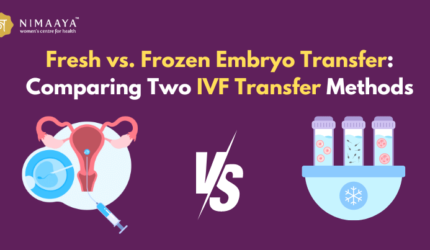
1. Fresh Embryo Transfer
- Embyos are transferred several days following fertilization within the same cycle of egg retrieval.
- The uterus remains under the effects of fertility drugs.
- Typically, when the patient’s hormone levels and uterine lining are favourable for implantation.
2. Frozen Embryo Transfer (FET)
- Embryos are frozen and banked for future use.
- The transfer is done in a later cycle when the uterus is best prepared.
- The benefits of FET (Frozen Embryo Transfer) are convenience, fewer opportunities for ovarian hyperstimulation syndrome (OHSS) occurrence, and improved endometrium-embryo synchronization.
3. Blastocyst Transfer
- Embryos are allowed to develop to the blastocyst stage (day 5–6) prior to transfer.
- Increases implantation possibilities as the embryos that make it to this stage are typically stronger and healthy.
4. Single vs Multiple Embryo Transfer
- Single embryo transfer (SET) removes the risk of multiple pregnancy but generally does quite well.
- Multiple embryo transfer can be recommended for advanced maternal age or previous IVF failures, but is at greater risk of twins or triplets.
5. Assisted Hatching with Transfer
- A laboratory procedure in which a small opening is created in the outer covering (zona pellucida) of the embryo prior to transfer.
- This aids implantation for embryos that have a dense outer shell.
The Embryo Transfer Procedure
Embryo transfer is usually quick and painless and involves an outpatient procedure, which takes approximately 15–30 minutes. Here’s a step-by-step explanation:
1. Pre-Transfer Preparation
- Endometrial preparation: In a fresh cycle, this is managed through fertility medications. In a frozen cycle, hormones like estrogen and progesterone are administered to build the uterine lining.
- Ultrasound and blood tests: Ensure that the uterus is ready for implantation.
- Embryo selection: Embryologists assess embryo quality and select the best one(s) for transfer.
2. The Procedure
- The patient lies on a gynecological examination table.
- A speculum is placed in the vagina (like a Pap smear).
- The doctor utilizes an ultrasound for guidance.
- A thin, soft catheter filled with the embryo(s) is eased through the cervix into the uterus.
- The embryo(s) are released into the space within the uterus.
- The catheter is removed slowly, and the embryologist observes under the microscope to verify that the embryos were transferred successfully.
3. Following the Procedure
- Patients can rest for a short time but are often able to leave the same day.
- Normal activity can be resumed, although doctors suggest avoiding strenuous exercise for a couple of days.
What to Expect After Embryo Transfer
The two-week waiting period after the embryo transfer—the so-called “two-week wait (TWW)”—is emotionally grueling.
Common Experiences Post-Transfer:
- Mild cramping or spotting: Resulting from catheter insertion or early implantation.
- Breast tenderness or bloating: Due to progesterone supplementation.
- No symptoms whatsoever: This too is entirely normal and isn’t an indication of success or failure.
Pregnancy Testing
- hCG blood test is typically arranged 10–14 days following transfer.
- Home pregnancy tests are not always reliable at this time because of residual medications.
Success Rates of IVF Embryo Transfer
The success of the embryo transfer varies based on several factors:
- Maternal age: Females less than 35 usually have better success rates.
- Embryo quality: Blastocysts tend to implant more effectively than cleavage-stage embryos.
- Uterine receptivity: A well-prepared endometrium is essential.
- Lifestyle factors: Smoking, excess weight, and excessive stress may decrease chances of implantation.
On average, the rate of live birth per embryo transfer is:
- 40–50% for women less than 35
- 30–40% for women aged 35–37
- 20–25% for women aged 38–40
- Below 10% for women older than 42
Risks and Complications
IVF embryo transfer is a safe procedure, but as with any medical process, risks exist:
- Multiple pregnancy: More likely when more than one embryo is transferred.
- Ectopic pregnancy: Unusual, but may occur if the embryo implants in a location other than the uterus.
- Failed implantation: Even with optimal technique, not all transfers result in pregnancy.
- Emotional distress: The interval of uncertainty and waiting can be extremely stressful.
How to Prepare for a Successful Embryo Transfer
1. Physical Preparation
- Carefully follow medication instructions: Hormone therapy is essential.
- Stay healthy: Balanced diet, adequate hydration, and moderate exercise.
- Avoid smoking and alcohol: Both negatively affect implantation rates.
2. Emotional Preparation
- IVF can be emotionally overwhelming; consider counseling or joining support groups.
- Practice stress-reducing activities like meditation, yoga, or journaling.
3. Practical Considerations
- Plan your schedule to allow rest after transfer.
- Arrange for a stress-free environment during the two-week wait.
Tips for the Two-Week Wait (TWW)
The TWW is often described as the hardest part of IVF. Here are some tips to get through it:
- Stay occupied: Do some light hobbies, reading, or walks.
- Avoid habitual symptom-checking: Symptoms are not good indicators all the time.
- Limit the use of pregnancy tests: Wait until the official blood test.
- Seek help: Discuss it with your partner, friends, or fertility counselor.
Conclusion
The IVF embryo transfer is a landmark moment in assisted reproductive treatment, bringing with it the hope of new life and uncertainty’s challenges. Although simple and painless to perform, the preparatory and waiting period calls for patience, emotional strength, and faith in your medical professionals.
Through familiarity with the process, anticipation of what to anticipate, and adherence to post-transfer care recommendations, couples can enter embryo transfer with assurance.
For patients looking for expert fertility treatment, Nimaaya IVF Center offers cutting-edge treatment, empathetic care, and high success rates in reproductive care. Their experienced staff takes patients through each aspect of the IVF process, making the dream of parenthood a reality.
Frequently Asked Questions (FAQs)
1. Is embryo transfer painful?
Most women describe it as similar to a Pap smear—mild discomfort but not painful.
2. Can I walk after embryo transfer?
Yes, normal walking and light activity are safe. Doctors only advise against strenuous exercise.
3. How many embryos should be transferred?
This depends on age, medical history, and embryo quality. Most clinics encourage single embryo transfer to reduce risks.
4. What should I eat after embryo transfer?
A healthy, balanced diet with plenty of fruits, vegetables, lean protein, and whole grains supports uterine health.
5. Can stress affect embryo implantation?
High stress may impact hormonal balance. Relaxation techniques can help improve emotional well-being during this time.
6. When can I test for pregnancy?
A blood test is recommended 10–14 days after transfer for accurate results.