If you experience stomach pain during periods, you are not alone. Many women go through cramping or discomfort in the lower abdomen as their cycle begins. In most cases, mild to moderate period stomach pain is a normal response to hormonal changes. But when the discomfort becomes intense, persistent, or disruptive, it deserves attention.
Here’s what’s happening. During menstruation, the body releases hormone-like substances called prostaglandins. These trigger the uterus to contract so it can shed its lining. Those contractions can reduce blood flow temporarily, leading to abdominal pain during period days. For some women, the sensation feels like a dull ache. For others, it can be sharp and exhausting.
Now, this is important. Occasional cramping that improves with rest, heat, or over-the-counter pain relief is generally considered normal. However, stomach pain during periods that:
- Lasts more than 2-3 days
- Worsens each month
- Causes fainting, vomiting, or fever
- Interference with school or work
may indicate something more than routine menstrual cramps.
If this sounds familiar, you’re not alone. Many women assume severe period stomach pain is simply something they must tolerate. But that isn’t always true. Persistent or severe abdominal pain during period cycles can sometimes signal underlying conditions such as endometriosis, fibroids, or hormonal imbalance.
Paying attention to the pattern, intensity, and associated symptoms helps distinguish what is expected from what needs medical evaluation. Your body gives signals for a reason. Listening to them early can prevent unnecessary suffering later.
In the next sections, we’ll break down why stomach pain during periods happens, what is considered normal, and when seeking professional care is the safest step.
Why Do Cramps Occur During Periods?
Many women ask why cramps occur during periods and why the intensity can vary so much from person to person. The answer lies in a combination of hormones, uterine muscle activity, and individual pain sensitivity.
Mild cramping is part of the body’s natural menstrual process. However, more intense stomach pain during periods can develop when certain biological responses become exaggerated. Here’s what that means.
The Role of Prostaglandins in Periodic Stomach Pain
Prostaglandins are hormone-like chemicals released from the lining of the uterus just before menstruation begins. Their role is to trigger uterine contractions so the lining can shed properly.
Higher levels of prostaglandins are strongly linked to stronger contractions — and therefore more noticeable period stomach pain. Studies show that women with severe menstrual cramps often have elevated prostaglandin levels compared to those with mild discomfort.
In simple terms, the more intense the chemical signal, the stronger the uterine squeeze.
This is one of the main reasons stomach pain during periods tends to be worse on the first one to two days, when prostaglandin production peaks.
Uterine Contractions & Reduced Blood Flow
The uterus is a muscle. During menstruation, it contracts rhythmically to expel tissue. These contractions can temporarily compress nearby blood vessels.
When blood flow is reduced, oxygen delivery to the uterine muscle drops briefly. That lack of oxygen can create the cramping sensation many women feel as abdominal pain during their period.
For some, the sensation is manageable. For others, the contractions are stronger and more frequent, leading to more intense stomach pain during periods.
Now, this is important. Pain is not just about contractions — it’s also about how your nervous system interprets those signals.
Hormonal Imbalances That Worsen Pain
Hormonal fluctuations influence the severity of menstrual cramps. Estrogen and progesterone levels regulate prostaglandin production. When these hormones are imbalanced, prostaglandin levels may rise disproportionately.
Conditions such as:
- Polycystic Ovary Syndrome (PCOS)
- Thyroid disorders
- Chronic stress affecting cortisol levels
can contribute to worsening period stomach pain.
Hormonal imbalance doesn’t always cause severe symptoms, but when cycles become irregular or unusually painful, it’s worth evaluating.
Read Also: PCOS and Pregnancy: क्या PCOS में गर्भधारण संभव है?
Why Some Women Experience More Severe Stomach Pain During Periods
If this sounds familiar — experiencing debilitating cramps while others seem relatively unaffected, you’re not imagining it. Several factors influence pain intensity.
Clinically, we categorise menstrual cramps into two types:
Primary dysmenorrhea
- Common in teenagers and young women
- Not caused by an underlying disease
- Linked mainly to prostaglandin activity
Secondary dysmenorrhea
- Caused by identifiable medical conditions
- Often worsens over time
- May be associated with endometriosis, fibroids, or pelvic infections
Secondary dysmenorrhea tends to produce more persistent or severe stomach pain during periods, sometimes accompanied by heavy bleeding or pain outside menstruation.
Genetics also play a role. Research suggests that women with a family history of severe menstrual cramps are more likely to experience intense symptoms themselves.
Pain perception varies, too. Some women have heightened nerve sensitivity, which can amplify normal uterine contractions into significant discomfort.
So when asking why cramps occur during periods, the answer isn’t one-dimensional. It’s a combination of chemistry, muscle activity, hormones, and individual pain thresholds.
Understanding this difference helps clarify when typical period stomach pain is manageable, and when it might signal the need for medical evaluation.
Read Also: Understanding Periods Symptoms: A Comprehensive Guide
Common Symptoms That Accompany Abdominal Pain During Period
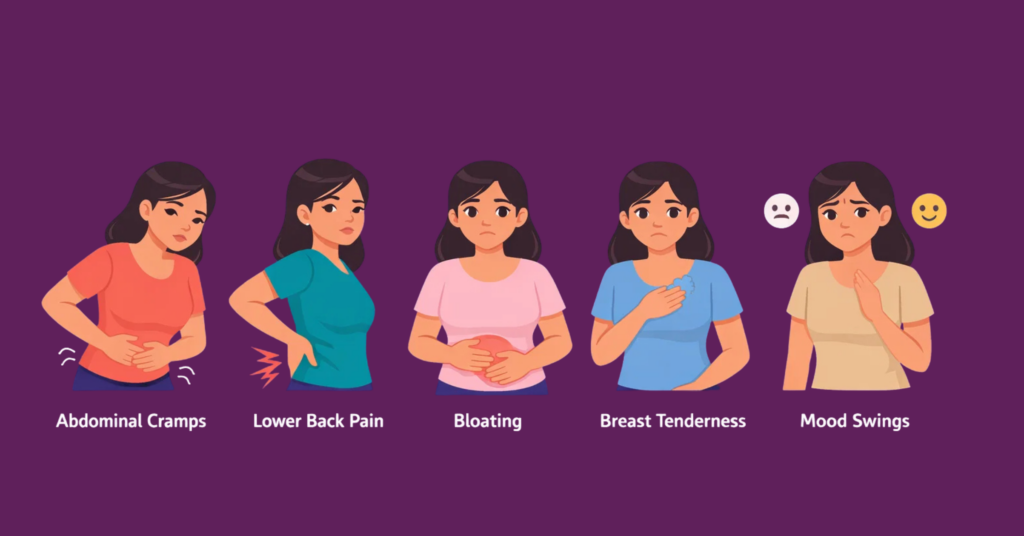
Abdominal pain during period days rarely comes alone. While cramping is the most recognized symptom, many women experience a cluster of physical and emotional changes at the same time.
If you’ve ever felt “unwell all over” during your cycle, that’s not unusual. The hormonal and inflammatory shifts that cause stomach pain during periods can also affect the digestive system, muscles, and even your energy levels.
Here’s what commonly accompanies menstrual cramps.
Digestive Symptoms (Bloating, Diarrhea, Nausea)
The same prostaglandins that trigger uterine contractions can also stimulate the intestines. That’s why some women notice:
- Bloating or abdominal fullness
- Loose stools or diarrhea
- Nausea
- Occasional vomiting
This overlap happens because the uterus and bowel share nearby nerve pathways. When prostaglandin levels rise, digestive muscles may contract more than usual.
For many, these symptoms are mild and short-lived. However, severe digestive distress alongside period stomach pain may require medical evaluation, especially if it disrupts hydration or nutrition.
Lower Back & Thigh Pain
Menstrual cramps are not limited to the lower abdomen. The nerves supplying the uterus also connect to the lower back and upper thighs.
As a result, stomach pain during periods can radiate outward, causing:
- Dull lower back ache
- Aching thighs
- Pelvic pressure
This referred pain is common in primary dysmenorrhea. However, if back pain becomes sharp, progressively worse, or extends beyond menstruation, it may suggest conditions such as endometriosis or adenomyosis.
Many women assume this spread of discomfort is “just part of it”. Often it is, but persistent worsening pain should not be ignored.
Headaches and Fatigue
Hormonal fluctuations before and during menstruation can trigger headaches, including menstrual migraines in some women.
At the same time, the body is working harder during active uterine contractions. Combined with disrupted sleep and blood loss, this can lead to:
- Fatigue
- Low energy
- Brain fog
- Mood changes
Hormone-driven inflammation can affect more than just the uterus. That’s why abdominal pain during period days may feel physically draining overall.
When Symptoms Suggest an Underlying Condition
While mild to moderate symptoms are common, certain patterns raise concern.
If stomach pain during periods is accompanied by:
- Extremely heavy bleeding
- Pain that worsens month after month
- Pain between cycles
- Fever
- Pain during intercourse
There may be an underlying gynaecological condition contributing to the symptoms.
Conditions such as endometriosis, fibroids, or pelvic inflammatory disease often cause more than routine cramping.
Warning Signs That Require Medical Attention
Seek medical evaluation if:
- Pain lasts more than 72 hours
- Pain interferes with work, school, or daily activities
- Over-the-counter medication provides little relief
- You experience fainting, persistent vomiting, or a high fever
Severe or disabling period stomach pain is not something you simply have to tolerate.
Understanding the full range of associated symptoms helps distinguish normal menstrual discomfort from patterns that deserve professional assessment. Early evaluation can make treatment simpler and more effective.
Could Your Period Stomach Pain Be a Sign of an Underlying Condition?
Most cases of stomach pain during periods are linked to normal hormonal activity. However, when pain becomes unusually intense, progressively worse, or resistant to standard treatment, it may signal something more than routine menstrual cramps.
Typical cramps usually begin just before or at the start of bleeding, improve within 1–3 days, and respond to heat or pain relievers. Pain caused by an underlying condition often:
- Starts earlier in the cycle
- Lasts longer than 3 days
- Worsens over time
- Occurs outside of menstruation
- Interferes significantly with daily life
If this pattern feels familiar, it’s worth exploring further. Let’s look at the most common causes of secondary dysmenorrhea.
Endometriosis
Endometriosis occurs when tissue similar to the uterine lining grows outside the uterus, often on the ovaries, fallopian tubes, or pelvic lining.
Unlike typical period stomach pain, endometriosis-related pain may:
- Begin several days before menstruation
- Continue after bleeding stops
- Causes pain during intercourse
- Be associated with fertility challenges
The inflammation caused by misplaced tissue can make abdominal pain during menstrual cycles more severe and persistent.
Diagnosis often begins with pelvic examination and ultrasound. However, mild endometriosis may not appear on imaging. In some cases, laparoscopy (a minimally invasive surgical procedure) is required for confirmation.
Early evaluation can prevent years of untreated discomfort.
Adenomyosis
Adenomyosis occurs when the uterine lining grows into the muscular wall of the uterus. This can cause the uterus to become enlarged and tender.
Pain from adenomyosis tends to feel:
- Deep and heavy
- Accompanied by significant pelvic pressure
- Associated with heavy menstrual bleeding
Women may describe stomach pain during periods as more intense and prolonged than usual cramps.
A pelvic ultrasound or MRI can help identify uterine enlargement or structural changes suggestive of adenomyosis.
Fibroids
Uterine fibroids are noncancerous growths within the uterus. Many women have fibroids without symptoms, but larger ones can cause:
- Heavy bleeding
- Pelvic pressure
- Prolonged period of stomach pain
Unlike typical cramps, fibroid-related pain may feel like constant pelvic heaviness rather than rhythmic contractions.
Ultrasound is usually the first-line imaging tool for detecting fibroids. In most local diagnostic gynecological centres and hospitals, this test is widely available and non-invasive.
Pelvic Inflammatory Disease (PID)
Pelvic inflammatory disease is an infection of the reproductive organs, often caused by untreated sexually transmitted infections.
PID-related pain may differ from usual menstrual cramps in that it can:
- Occur outside of periods
- Be accompanied by fever
- Cause abnormal vaginal discharge
- Produce persistent lower abdominal discomfort
If abdominal pain during period cycles is combined with fever or unusual discharge, medical evaluation should not be delayed.
Diagnosis typically involves pelvic examination, laboratory testing, and sometimes an ultrasound.
PCOS and Hormonal Imbalance
Polycystic Ovary Syndrome (PCOS) is primarily known for irregular periods, but hormonal imbalance can also contribute to painful cycles.
When ovulation becomes irregular, the uterine lining may thicken excessively before shedding. This can lead to heavier bleeding and more pronounced stomach pain during periods.
Women with PCOS may also experience:
- Irregular cycles
- Acne
- Weight changes
- Excess hair growth
If you’d like a deeper understanding of this condition, you can read our detailed guide on [पीसीओएस के लक्षणों (PCOS Symptoms in Hindi): महिलाओं के लिए गाइड].
Diagnosis involves hormonal blood tests and a pelvic ultrasound. Most gynecology clinics and diagnostic centers offer these evaluations.
When Are Imaging or Tests Needed?
Testing is usually recommended if:
- Pain is severe or worsening
- Symptoms extend beyond menstruation
- Pain interferes with work or school
- Over-the-counter medication no longer helps
Initial evaluation may include:
- Pelvic examination
- Ultrasound imaging
- Hormonal blood tests
Advanced imaging or laparoscopy is considered when symptoms strongly suggest conditions like endometriosis but remain unexplained.
Not every case of period stomach pain signals a serious problem. But persistent, disabling, or progressively worsening pain should not be dismissed as “just normal”.
Listening to your body — and seeking evaluation from the best gynaecologist in Vadodara when patterns change — allows for earlier diagnosis and more effective management.
How to Control Periods Stomach Pain at Home (Safe & Effective Remedies)
If you’re searching for how to control period stomach pain, the good news is that most menstrual cramps can be managed safely at home. Period pain is primarily caused by prostaglandins—hormone-like chemicals that trigger uterine contractions. The stronger the contractions, the more noticeable the discomfort.
Fortunately, simple lifestyle-based remedies can reduce inflammation, relax muscles, and improve circulation. If you’re wondering how to get rid of stomach pain during periods, the strategies below combine practical action with physiological reasoning.
Heat Therapy – Why It Works
Heat therapy is one of the most effective and research-supported home remedies for menstrual cramps. Applying warmth to the lower abdomen increases blood flow and relaxes the uterine muscles, reducing the intensity of contractions.
You can use:
- A heating pad
- A hot water bottle
- Adhesive heat patches
- A warm bath
Apply heat for 15–20 minutes at a time. Continuous low-level heat can be as effective as mild pain medication for some women. This is often the first step when learning how to control period stomach pain naturally.
Gentle Exercise & Yoga Poses
While resting feels instinctive during cramps, light movement actually helps reduce discomfort. Exercise stimulates endorphin release—your body’s natural painkillers—and improves pelvic circulation.
Low-impact options include:
- Slow walking
- Light stretching
- Pelvic tilts
- Child’s Pose
- Cat-cow stretch
- Supine spinal twist
You don’t need intense workouts. Even 10–15 minutes of gentle activity can significantly ease abdominal tension and help you get rid of stomach pain during periods more effectively.
Hydration & Anti-Inflammatory Foods
Dehydration and inflammatory foods can worsen bloating and cramping. Supporting your body nutritionally can reduce overall symptom severity.
Focus on:
- Drinking adequate water throughout the day
- Leafy green vegetables
- Berries
- Omega-3–rich foods (like flaxseeds and walnuts)
- Ginger or turmeric tea
Try to limit:
- Excess caffeine
- Salty processed snacks
- Refined sugars
Balanced meals stabilise blood sugar and may reduce hormonal fluctuations that intensify cramps.
Magnesium & Vitamin B1
Certain micronutrients play a role in muscle relaxation and nerve regulation. Magnesium helps relax smooth muscle tissue, including the uterus, while Vitamin B1 (thiamine) has shown potential benefits in reducing menstrual pain severity in some clinical studies.
Before starting supplements:
- Consult a healthcare professional
- Follow recommended dosage guidelines
- Avoid combining with medications without advice
Supplements can support pain management but should not replace medical evaluation if symptoms are severe.
Stress Reduction Techniques
Stress amplifies pain perception. When cortisol levels rise, muscle tension and inflammatory responses may increase, making cramps feel worse.
Helpful techniques include:
- Deep diaphragmatic breathing
- Guided meditation
- Progressive muscle relaxation
- Gentle evening stretching
- Prioritising consistent sleep
Relaxing the nervous system can reduce the intensity of cramps and improve overall comfort during menstruation.
Understanding how to control period stomach pain starts with supporting your body through heat, movement, nutrition, and stress regulation. Many women find that combining two or three of these methods provides better relief than relying on just one.
However, if pain becomes severe, worsens over time, or disrupts daily activities, it’s important to seek medical evaluation. Persistent or disabling cramps may signal an underlying condition that requires targeted treatment.
Stomach Pain in Periods Medicine – What Really Works?
When cramps become intense or interfere with work, school, or sleep, many women look for reliable period medicine that provides fast and consistent relief. While home remedies help mild cases, moderate to severe menstrual pain (dysmenorrhea) often requires pharmacologic management.
The key is not just what medicine you take but when and how you take it.
Menstrual cramps are driven by prostaglandins, chemicals that trigger uterine muscle contractions. The most effective medications work by reducing prostaglandin production or relaxing uterine muscle activity.
Let’s break down what truly works.
Over-the-Counter NSAIDs (Ibuprofen, Mefenamic Acid)
Nonsteroidal anti-inflammatory drugs (NSAIDs) are considered first-line medicine for stomach pain in periods.
Common options include:
- Ibuprofen
- Mefenamic acid
- Naproxen
These medications:
- Block prostaglandin production
- Reduce uterine contractions
- Decrease inflammation
- Provide relief within 30–60 minutes
Correct timing matters.
For best results, NSAIDs should be taken:
- 1–2 days before your expected period (if cycles are regular), or
- At the very first sign of cramping — not after pain becomes severe
Early dosing prevents prostaglandin levels from rising too high, which makes pain easier to control.
Important precautions:
- Take with food to protect your stomach
- Avoid exceeding recommended doses
- Do not combine multiple NSAIDs simultaneously
- Avoid long-term use without medical supervision
Women with kidney disease, gastric ulcers, or bleeding disorders should consult a doctor before use.
Antispasmodic Medicines
Antispasmodics help relax smooth muscle tissue, including the uterus. These medications are often prescribed when cramping feels sharp, gripping, or colicky.
They work by:
- Reducing muscle spasms
- Decreasing contraction intensity
- Relieving lower abdominal tightness
Antispasmodics may be used alone or alongside NSAIDs for enhanced relief.
However, they should not be self-prescribed repeatedly without evaluation. Persistent severe cramps may signal underlying conditions like endometriosis or fibroids that require targeted treatment.
Hormonal Birth Control Options
For women with recurrent severe cramps, hormonal contraceptives can significantly reduce menstrual pain.
Options include:
- Combined oral contraceptive pills
- Progestin-only pills
- Hormonal intrauterine devices (IUDs)
- Contraceptive injections
These methods work by:
- Suppressing ovulation
- Thinning the uterine lining
- Reducing prostaglandin production
- Making periods lighter and less painful
Many women notice improvement within 2–3 cycles of consistent use.
Hormonal therapy is particularly beneficial when cramps are linked to conditions like endometriosis, adenomyosis, or heavy menstrual bleeding. Because hormonal medications affect the endocrine system, they require proper medical assessment before initiation.
Read Also: Understanding Contraceptive Effects on Future Fertility
When Prescription Medication Is Needed
If over-the-counter options fail to control pain, stronger prescription therapies may be necessary.
A doctor may consider:
- Higher-dose NSAIDs
- Combination therapy (NSAID + antispasmodic)
- Short-term hormonal regulation
- Treatment for underlying causes
- Referral for imaging or specialist evaluation
Severe pain that:
- Worsens over time
- Lasts longer than 3 days
- Occurs outside menstruation
- Interferes with daily functioning
should never be ignored.
Repeated self-medication without diagnosis can delay detection of treatable gynecological conditions.
Avoid Self-Medication Risks
It is common to increase dosage when pain persists, but this can lead to:
- Gastric irritation or ulcers
- Kidney strain
- Drug interactions
- Masking of serious conditions
Using stomach pain in periods medicine responsibly means:
- Following recommended doses
- Avoiding mixing medications without guidance
- Seeking evaluation if pain is recurring or worsening
The most effective approach to stomach pain during periods combines:
- Early timing of NSAIDs
- Appropriate use of antispasmodics
- Hormonal therapy, when indicated
- Proper medical supervision
If menstrual pain disrupts your routine every month, it’s time to consult a qualified healthcare professional. A proper evaluation can determine whether your pain is primary dysmenorrhea or a symptom of an underlying condition — and guide you toward long-term relief instead of temporary control.
Don’t normalise severe pain. The right diagnosis leads to the right treatment.
Diet, Lifestyle & Cycle Tracking for Long-Term Relief
While medication can provide short-term comfort, long-term improvement in menstrual cramps often depends on consistent dietary and lifestyle habits. Period pain is strongly influenced by inflammation, hormone balance, stress levels, and sleep quality. Addressing these foundational factors can significantly reduce the intensity of cramps over time.
A structured anti-inflammatory diet, adequate rest, and cycle tracking allow you to anticipate symptoms instead of reacting to them.
Foods That Reduce Period Stomach Pain
An anti-inflammatory diet helps lower prostaglandin production — the chemical trigger behind uterine contractions and cramping.
Focus on incorporating:
- Omega-3–rich foods (fatty fish like salmon, flaxseeds, walnuts)
- Leafy green vegetables (spinach, kale)
- Berries (blueberries, strawberries)
- Whole grains
- Ginger and turmeric
- Iron-rich foods (lentils, beans, lean meats, pumpkin seeds)
Omega-3 fatty acids help reduce inflammatory signalling in the body, which may decrease cramp severity.
Iron-rich foods are especially important if you experience heavy menstrual bleeding. Iron supports oxygen transport and prevents fatigue, which can worsen the overall experience of period discomfort.
Hydration also plays a role. Drinking enough water can reduce bloating and support circulation, helping ease abdominal tightness.
Over time, consistent anti-inflammatory nutrition may lower the baseline severity of menstrual pain.
Foods That May Worsen Cramps
Certain dietary choices can increase inflammation, water retention, or muscle tension — all of which may intensify cramps.
Try limiting:
- Excess caffeine
- Highly processed foods
- Refined sugars
- Salty packaged snacks
- Fried foods
Caffeine reduction is particularly important. Caffeine can constrict blood vessels and increase muscle tension, potentially making uterine cramps feel sharper. It may also worsen anxiety and sleep disturbances during your cycle.
This does not necessarily require complete elimination, but reducing intake in the days leading up to menstruation can help minimize symptom severity.
Importance of Regular Sleep
Sleep regulates hormone production, including cortisol and reproductive hormones that influence menstrual cycles. Poor sleep can heighten pain sensitivity and increase inflammation.
Prioritize:
- 7–9 hours of consistent sleep
- A regular bedtime schedule
- Reduced screen exposure before bed
- A calm, dark sleep environment
When sleep is disrupted, the nervous system becomes more reactive. This can amplify cramp perception and make pain feel more intense than it otherwise would.
Good sleep hygiene is one of the most underestimated tools for long-term menstrual pain management.
Tracking Your Cycle to Predict Pain
Cycle tracking allows you to anticipate cramps and intervene early. If your cycles are regular, you can:
- Start NSAIDs 1–2 days before your period
- Adjust caffeine intake ahead of time
- Prioritize sleep before expected symptom days
- Plan lighter schedules if needed
You can track using:
- A calendar
- A journal
- A period tracking app
Over several months, patterns often emerge — such as pain beginning exactly one day before bleeding. Recognizing these patterns allows for proactive rather than reactive management.
Long-term relief from menstrual cramps is rarely achieved through a single solution. Sustainable improvement typically involves:
- An anti-inflammatory diet
- Adequate omega-3 and iron intake
- Reduced caffeine
- Consistent sleep
- Predictive cycle tracking
These foundational habits support hormonal balance and reduce systemic inflammation, gradually lowering the intensity of period stomach pain over time.
When Should You See a Doctor for Stomach Pain During Periods?
Mild to moderate cramping is common during menstruation. However, severe, worsening, or unusual pain should never be dismissed as “normal.” Clinically, menstrual pain that disrupts daily function or presents with systemic symptoms warrants medical evaluation to rule out secondary causes such as endometriosis, adenomyosis, fibroids, infection, or other pelvic pathology.
Understanding red flag symptoms can help you determine when professional assessment is necessary.
Red Flag Symptoms
Seek medical attention promptly if stomach pain during periods is accompanied by any of the following:
- Fainting or near-fainting episodes
Syncope may indicate severe pain response, significant blood loss, dehydration, or underlying systemic issues. This is not typical of routine menstrual cramps and requires evaluation. - Heavy bleeding
Soaking through a pad or tampon every 1–2 hours, passing large clots (larger than a coin), or bleeding lasting longer than 7 days may signal hormonal imbalance, fibroids, adenomyosis, or bleeding disorders. Excessive blood loss can also lead to anemia. - Fever
A temperature above 38°C (100.4°F) during menstruation is not normal. Fever combined with pelvic pain may suggest pelvic inflammatory disease (PID) or another infection requiring urgent treatment. - Suddenly, severe abdominal pain during period
Sharp, intense pain that begins abruptly—especially if different from your usual cramps—may indicate ovarian torsion, ruptured cyst, ectopic pregnancy, or acute pelvic infection. Sudden severe pain is a medical red flag and should be evaluated immediately.
Additional warning signs include:
- Pain that worsens each cycle progressively
- Pain lasting beyond 3 days
- Pain during intercourse
- Bleeding between periods
- New-onset severe cramps after age 25
From a clinical standpoint, menstrual pain should be predictable and responsive to standard therapy. If it is not, further investigation is appropriate.
Diagnostic Tests Doctors May Recommend
When evaluating significant stomach pain during periods, physicians take a structured approach that includes history, physical examination, and targeted investigations.
Common diagnostic tools include:
Ultrasound
A pelvic ultrasound is typically the first-line imaging study. It helps identify fibroids, ovarian cysts, adenomyosis, or structural abnormalities of the uterus and ovaries. It is non-invasive and widely available.
Blood Tests
Laboratory testing may assess:
- Hemoglobin levels (to check for anemia)
- Markers of infection
- Inflammatory indicators
Blood tests help determine whether heavy bleeding or infection is contributing to symptoms.
Hormonal Panel
If irregular cycles, acne, or abnormal bleeding patterns are present, hormonal testing may evaluate estrogen, progesterone, thyroid function, and other endocrine markers. Hormonal imbalance can significantly influence menstrual pain severity.
Laparoscopy
If imaging is inconclusive but symptoms strongly suggest endometriosis or other pelvic pathology, diagnostic laparoscopy may be recommended. This minimally invasive surgical procedure allows direct visualization of pelvic organs and remains the gold standard for diagnosing endometriosis.
Clinical Perspective
Persistent or severe menstrual pain is not simply a “low pain tolerance.” In gynecological practice, worsening dysmenorrhea is considered a potential indicator of secondary pathology until proven otherwise.
Early evaluation allows for:
- Accurate diagnosis
- Targeted treatment
- Prevention of disease progression
- Improved quality of life
If stomach pain during periods interferes with your normal activities, requires repeated high-dose medication, or presents with red flag symptoms, scheduling a consultation with a qualified healthcare professional is the appropriate next step.
Menstrual pain should be manageable. When it is not, medical assessment provides clarity and direction.
How to Get Rid of Stomach Pain During Periods Fast
How can I get rid of stomach pain during periods fast?
Apply heat to your lower abdomen and take an NSAID like ibuprofen at the first sign of cramps. Heat relaxes uterine muscles, while NSAIDs reduce prostaglandins that cause contractions. Light stretching and hydration can further ease discomfort within an hour.
What is the fastest medicine for period stomach pain?
Ibuprofen or mefenamic acid works quickly because they block prostaglandin production. For best results, take the medication as soon as cramps begin, or one day before your expected period if cycles are regular. Always follow dosage instructions and avoid exceeding recommended limits.
Does drinking hot water help period cramps?
Warm fluids can promote muscle relaxation and improve circulation, which may slightly reduce cramping. While not a standalone treatment for severe pain, drinking hot water or herbal teas alongside heat therapy and medication can enhance overall comfort during menstruation.
Can exercise stop period stomach pain quickly?
Gentle movement, such as walking or yoga, increases endorphins, natural pain-relieving chemicals. Although exercise may not eliminate severe cramps instantly, 10–15 minutes of light stretching can reduce muscle tension and improve blood flow, helping decrease pain intensity.
Conclusion – You Don’t Have to Live With Severe Period Stomach Pain
Mild menstrual cramps are common and, in most cases, a normal part of the cycle. They usually respond well to heat, rest, lifestyle adjustments, or appropriate medication. Experiencing some discomfort does not automatically mean something is wrong.
However, severe or progressively worsening pain is not something you should simply tolerate. Persistent symptoms often have an identifiable cause — and most causes are treatable with the right medical approach. From hormonal therapy to targeted treatment for conditions like endometriosis or fibroids, effective options are available.
Early diagnosis is especially important. Identifying underlying conditions at an early stage can:
- Prevent long-term complications
- Protect fertility
- Reduce chronic inflammation
- Improve overall quality of life
If you are repeatedly searching for stomach pain in period medicine because your cramps disrupt daily activities, it may be time for a structured evaluation rather than temporary relief.
At Nimaaya, we provide comprehensive gynaecological evaluation and personalised treatment plans in Surat, Vadodara, and Ahmedabad with top gynaecologists. Our clinical approach focuses on accurate diagnosis, evidence-based care, and long-term relief, so you can manage your cycle with confidence, not discomfort.
Frequently Asked Questions About Stomach Pain During Periods
What causes stomach pain during periods?
Stomach pain during periods is primarily caused by prostaglandins—hormone-like chemicals that trigger uterine contractions to shed the lining. Higher prostaglandin levels cause stronger contractions, reduced blood flow to the uterine tissue, and increased pain. Secondary causes may include endometriosis, fibroids, adenomyosis, or infection.
Is severe period stomach pain normal?
Mild to moderate cramps are common. However, severe pain that disrupts daily activities, requires frequent high-dose medication, or worsens over time is not considered normal. Persistent severe cramps may indicate an underlying gynaecological condition and should be medically evaluated.
How long should stomach pain during periods last?
Typical menstrual cramps last 1–3 days, usually peaking during the first 24 hours of bleeding. Pain lasting longer than 3 days, continuing after periods end, or occurring outside menstruation may suggest secondary dysmenorrhea and warrants further assessment.
Which medicine is best for stomach pain during periods?
Nonsteroidal anti-inflammatory drugs (NSAIDs) such as ibuprofen or mefenamic acid are considered first-line treatment. They reduce prostaglandin production and are most effective when taken at the start of cramps or just before menstruation begins. Persistent pain requires medical consultation.
Can a hormonal imbalance cause abdominal pain during a period?
Yes. Hormonal imbalances—particularly involving estrogen and progesterone—can thicken the uterine lining and increase prostaglandin release, leading to heavier bleeding and stronger cramps. Conditions like PCOS or thyroid disorders may also influence menstrual pain patterns.
Does drinking hot water help period stomach pain?
Warm fluids can promote muscle relaxation and improve circulation, which may provide mild relief. While not sufficient for severe cramps alone, drinking hot water or herbal tea can complement heat therapy and medication for better symptom control.
When is period stomach pain a sign of endometriosis?
Pain that begins several days before menstruation, continues after bleeding stops, worsens each cycle, or is associated with pain during intercourse may suggest endometriosis. Diagnosis often requires imaging and, in some cases, laparoscopy for confirmation.
How can teenagers manage stomach pain during periods safely?
Teenagers can manage cramps with heat therapy, gentle exercise, adequate hydration, and age-appropriate doses of NSAIDs under guidance. If pain causes school absence, fainting, heavy bleeding, or does not improve with standard measures, medical evaluation is recommended.