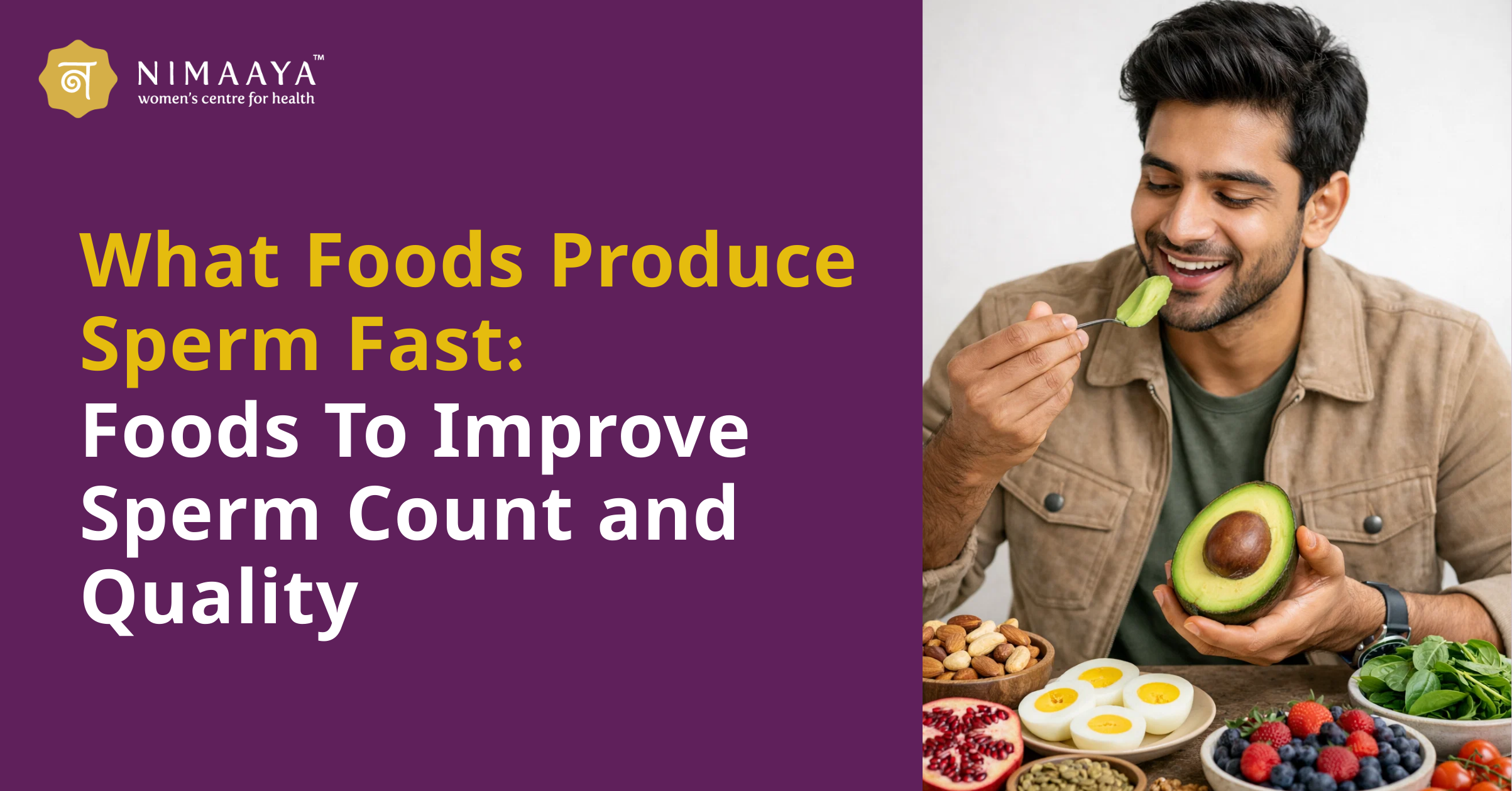
Food to increase sperm count is one of the most common questions men ask when trying to improve fertility. Many couples wonder how simple dietary changes can make a difference in sperm health, motility, and overall quality. The good news is that your body responds well to the right nutrients, and including fertility-friendly foods can support healthy sperm production over time.
It’s important to approach this with patience and care. No single food works like a magic fix, and results take time. Alongside a nutrient-rich diet, healthy lifestyle habits, like regular exercise, adequate sleep, and stress management, play an equally important role. Before starting supplements or making major dietary changes, it’s always best to consult a healthcare professional to ensure safety and effectiveness.
This guide will walk you through the best foods, nutrients, and lifestyle tips to naturally support sperm count and quality, helping you feel more confident in your fertility journey.
Why Male Fertility Depends on Diet
When it comes to male fertility, what you eat can have a meaningful impact on sperm health. Your body relies on specific nutrients to produce sperm, maintain its quality, and ensure proper motility. Understanding this connection is the first step toward naturally supporting fertility.
Sperm production, medically known as spermatogenesis, is a complex process that takes about 64–72 days from start to finish. During this time, your body continuously creates new sperm cells, each requiring protein, vitamins, minerals, and antioxidants to develop properly. Key nutrients such as zinc, selenium, folate, omega-3 fatty acids, and vitamins C and E are especially important because they protect sperm from oxidative stress, support DNA integrity, and help sperm move efficiently.
Research shows that men with diets rich in these nutrients tend to have higher sperm counts and better motility. For example, a study published in Fertility and Sterility found that men who consumed more fruits, vegetables, and omega-3-rich foods had significantly improved sperm parameters compared to men with low-nutrient diets. This highlights how everyday food choices can play a real role in reproductive health.
By focusing on nutrient-dense foods, you can naturally increase sperm count and improve sperm motility over time. While diet alone is not a guaranteed solution, it provides a strong foundation for overall fertility health and works best when combined with other positive lifestyle habits.
Read More About: Understanding Varicocele: Causes, Symptoms, Treatment, and Impact on Male Fertility
Key Nutrients That Boost Sperm Count and Quality
A well-balanced diet rich in specific nutrients can make a significant difference in sperm health. Certain vitamins, minerals, and healthy fats help your body produce sperm more efficiently and protect it from damage. Including these nutrients regularly can naturally increase sperm quality & low sperm count and support better movement, or motility, which is essential for conception.
Zinc and Selenium – The Fertility Minerals
Zinc and selenium are two of the most important minerals for male reproductive health. Zinc plays a crucial role in testosterone production, which directly influences sperm count and quality. Foods high in zinc include oysters, pumpkin seeds, almonds, and other nuts, as well as lean meats.
Selenium acts as a powerful antioxidant, protecting sperm cells from oxidative damage and supporting healthy sperm motility. You can get selenium from Brazil nuts, fish, and whole grains. Studies have shown that men with adequate zinc and selenium levels often have higher sperm counts and improved motility. Including these minerals as part of a balanced diet is a safe, natural way to support fertility.
Vitamin C and E – Antioxidant Protectors
Antioxidants like Vitamin C and Vitamin E protect sperm DNA from oxidative stress, which can otherwise reduce sperm quality and lead to damage. Vitamin C is abundant in citrus fruits, strawberries, kiwi, and bell peppers, while Vitamin E can be found in almonds, sunflower seeds, spinach, and avocados.
Regular intake of these vitamins helps prevent sperm damage, supports healthy sperm morphology, and can improve motility. Pairing Vitamin C with other antioxidant-rich foods amplifies these protective benefits, making them essential for men looking to naturally improve sperm motility.
Omega-3 Fatty Acids – Sperm Motility Boosters
Omega-3 fatty acids are crucial for cell membrane health, which directly affects sperm structure and movement. Foods rich in omega-3s include fatty fish like salmon, sardines, mackerel, and plant-based sources like flax seeds and chia seeds.
These healthy fats help improve sperm morphology (shape and structure) and enhance motility, making it easier for sperm to reach and fertilize an egg. Regular consumption of omega-3s is a natural, heart-healthy way to support overall male infertility while improving sperm movement and quality.
Read More About: Spotting the Signs: A Guide to Low Sperm Count Symptoms
Top Foods to Increase Sperm Count Fast
If you’re looking to naturally support male fertility, including nutrient-rich foods in your daily diet can have a meaningful impact. These foods provide essential vitamins, minerals, antioxidants, and healthy fats that help improve sperm count, motility, and overall quality. While no single food works like a quick fix, consistently incorporating these into your meals can strengthen sperm health over time and complement other healthy lifestyle habits.
Eggs – Protein and Vitamin D Powerhouse
Eggs are a simple and versatile food packed with high-quality protein and Vitamin D, both of which are essential for healthy sperm production. Protein supports the growth and repair of cells, including sperm cells, while Vitamin D contributes to testosterone levels, a hormone vital for sperm formation. Including eggs regularly in the diet can provide a stable foundation for sperm development and overall reproductive health, making them a staple for men looking to naturally improve sperm count and quality.
Walnuts – Natural Antioxidant Support
Walnuts are rich in omega-3 fatty acids and antioxidants, nutrients that protect sperm from oxidative stress and support healthy motility. Research has shown that regular walnut consumption can enhance sperm vitality, morphology, and movement, helping sperm function more efficiently. Their combination of healthy fats and antioxidants makes walnuts an ideal addition to a fertility-focused diet, supporting both the structure and function of sperm over time.
Spinach and Leafy Greens – Folate for Healthy Sperm
Leafy greens such as spinach, kale, and broccoli are abundant in folate, iron, and antioxidants. Folate plays a key role in DNA synthesis, helping ensure healthy sperm formation and preventing abnormalities. The antioxidants in these vegetables further protect sperm from damage caused by free radicals, while their nutrient density supports overall reproductive health. Consuming leafy greens regularly can help improve both sperm count and motility, offering a natural boost to fertility.
Bananas – Bromelain Enzyme for Testosterone Boost
Bananas contain bromelain, an enzyme thought to support testosterone production, along with vitamin B6 and potassium. This combination not only supports sperm count but also aids energy levels and hormonal balance, both important for reproductive health. Regularly including bananas in your diet can contribute to healthier sperm function and better overall vitality, complementing other fertility-friendly foods.
Pumpkin Seeds – Zinc-Rich Snack
Pumpkin seeds are a natural source of zinc, a mineral crucial for testosterone production and sperm development. Adequate zinc levels are directly linked to higher sperm count and improved motility, while deficiency can lead to reduced sperm quality. Incorporating pumpkin seeds into meals or snacks provides a concentrated source of this essential mineral, supporting reproductive health in a natural and sustainable way.
Dark Chocolate – Polyphenols for Sperm Count
Dark chocolate contains polyphenols and antioxidants that protect sperm from oxidative stress and support healthy blood flow. These properties help maintain sperm DNA integrity, enhance motility, and may contribute to improved sperm count. Including moderate amounts of high-quality dark chocolate in the diet allows men to benefit from its protective effects without overconsumption of sugar or fat.
Garlic and Asparagus – Boost Blood Flow and Testosterone
Garlic is rich in allicin, a compound known to improve blood circulation, while asparagus provides vitamin E and folate, nutrients that protect sperm DNA. Together, these foods support healthy sperm production, motility, and overall reproductive function. Regularly including garlic and asparagus in meals can contribute to better hormonal balance and sperm health naturally, complementing other fertility-supportive foods.
Ashwagandha and Fenugreek – Herbal Support for Sperm
Ashwagandha and fenugreek are herbs traditionally used to support male reproductive health. Ashwagandha is known to reduce stress, which can negatively impact sperm production, while fenugreek supports hormonal balance and may enhance testosterone levels. Studies suggest that these herbs can improve sperm count and motility when used consistently. They can be incorporated through standardized supplements or powdered forms in teas and smoothies under medical guidance.
Pomegranate and Citrus Fruits – Vitamin C-Rich Sperm Boosters
Vitamin C-rich fruits such as pomegranate, oranges, and kiwi act as antioxidants, protecting sperm from oxidative damage and improving motility. Some studies also suggest that pomegranate juice may contribute to higher sperm counts. Including these fruits in daily meals provides both antioxidant protection and essential nutrients that support overall sperm health, making them a simple yet effective addition to a fertility-focused diet.
Summary Table: Foods, Nutrients, and Sperm Benefits
| Food | Key Nutrients | Benefits for Sperm |
| Eggs | Protein, Vitamin D | Supports sperm production, testosterone |
| Walnuts | Omega-3, Antioxidants | Improves motility and morphology |
| Spinach & Leafy Greens | Folate, Antioxidants | Protects DNA, improves motility |
| Bananas | Bromelain, B6, Potassium | Supports testosterone and energy |
| Pumpkin Seeds | Zinc | Boosts sperm count and motility |
| Dark Chocolate | Polyphenols, Antioxidants | Protects sperm, improves blood flow |
| Garlic & Asparagus | Allicin, Vitamin E | Enhances blood flow, DNA protection |
| Ashwagandha & Fenugreek | Adaptogens, Hormone Support | Improves sperm count and motility |
| Pomegranate & Citrus | Vitamin C, Antioxidants | Protects sperm, increases motility |
Plant-Based & Vegetarian Options to Improve Sperm Health
A fertility-friendly diet isn’t limited to animal-based foods. Vegetarian and plant-based options are rich in essential nutrients that naturally support sperm health, improve motility, and protect sperm DNA from oxidative stress. Including these foods can be beneficial whether you follow a fully vegetarian lifestyle or simply want to add more plant-based choices to your diet. Combined with a healthy lifestyle that includes regular exercise, adequate sleep, and stress management, plant-based foods can play an important role in supporting male fertility over time.
Green Leafy Vegetables (Spinach, Kale, Broccoli)
Green leafy vegetables such as spinach, kale, and broccoli are nutritional powerhouses for sperm health. They are high in folate, iron, and antioxidants, all of which are critical for healthy sperm production. Folate, in particular, is essential for spermatogenesis—the process of creating sperm—and helps reduce the risk of abnormal sperm development. Antioxidants found in these vegetables combat oxidative stress, which can damage sperm motility and morphology, ensuring sperm remain healthy and strong. Regular consumption of leafy greens, whether raw or lightly cooked, provides a consistent source of these key nutrients, supporting overall reproductive health naturally.
Fruits Rich in Vitamin C (Oranges, Strawberries, Kiwi, Papaya)
Vitamin C is a powerful antioxidant that helps protect sperm from oxidative damage, reduces DNA fragmentation, and supports better motility. Studies have shown that men who consume higher amounts of vitamin C tend to have higher sperm counts and healthier sperm movement. Citrus fruits like oranges, tropical fruits like papaya, and berries such as strawberries and kiwi are excellent sources of this nutrient. Including these fruits regularly in the diet helps maintain antioxidant protection for sperm while supporting overall reproductive health. Pairing vitamin C-rich fruits with other antioxidants, such as vitamin E or polyphenols from dark chocolate, can amplify their protective effect on sperm.
Nuts and Seeds (Almonds, Walnuts, Flaxseeds, Pumpkin Seeds)
Nuts and seeds are rich sources of zinc, selenium, vitamin E, and omega-3 fatty acids, all critical for supporting sperm count and motility. Zinc contributes to testosterone production and healthy sperm formation, selenium protects sperm DNA from oxidative damage, vitamin E acts as an antioxidant shield, and omega-3 fatty acids enhance sperm morphology and movement. Regular inclusion of a variety of nuts and seeds in the diet ensures a broad spectrum of fertility-supporting nutrients. Consuming a small daily portion of raw or lightly roasted nuts, along with seeds added to oatmeal, smoothies, or salads, can be an easy and effective way to boost sperm health naturally.
Tomatoes – Lycopene for Sperm Protection
Tomatoes are rich in lycopene, a potent antioxidant that supports sperm morphology and protects DNA from oxidative stress. Research has suggested that men who consume lycopene-rich foods consistently have better sperm motility and count. Lycopene is more readily absorbed when tomatoes are cooked or paired with healthy fats like olive oil, making them a versatile and nutrient-dense addition to meals. Including tomatoes regularly, whether fresh in salads or cooked in soups, stews, and sauces, contributes to overall antioxidant intake, which is crucial for maintaining sperm health and quality.
Additional Notes on Plant-Based Fertility Foods
Variety is important when it comes to plant-based fertility foods. Rotating different fruits, vegetables, nuts, and seeds ensures a broad spectrum of nutrients that support sperm count, motility, and DNA protection. Even small, consistent servings can provide measurable benefits over time, but improvements in fertility typically take several weeks to months to manifest. Plant-based diets work best when paired with healthy lifestyle habits, such as regular physical activity, avoiding smoking and excessive alcohol, and managing stress effectively. A well-planned vegetarian or plant-based diet can be both practical and sustainable, providing essential nutrients that enhance sperm health while fitting easily into everyday life.
Foods to Avoid for Optimal Sperm Health
Maintaining a healthy diet isn’t just about what to eat—it’s also about being mindful of foods that can negatively affect sperm health. Certain ingredients and dietary patterns are linked to lower sperm count, reduced motility, and poorer overall sperm quality. Being aware of these can help you make informed decisions to support your reproductive health naturally.
Processed Meats and Trans Fats
Processed meats, such as sausages, bacon, deli meats, and packaged cold cuts, contain preservatives and unhealthy fats that may interfere with hormone balance and sperm production. Trans fats, commonly found in commercially baked goods, fried snacks, and margarine, can increase inflammation in the body and lead to oxidative stress, which damages sperm DNA. Men who consume large amounts of processed meats and trans fats have been shown in studies to have lower sperm counts and reduced motility compared to those with diets rich in whole, unprocessed foods.
Excessive Caffeine and Alcohol
High caffeine intake and regular alcohol consumption can also impact reproductive health. While moderate amounts of coffee or tea are generally safe, excessive caffeine can affect sperm motility and hormone regulation. Alcohol, especially when consumed in large quantities, can reduce testosterone levels, increase oxidative stress, and negatively influence sperm morphology. These effects are usually reversible with moderation and healthier habits, but awareness of consumption patterns is important for supporting fertility naturally.
Sugar-Heavy and Processed Carbohydrate Diets
Diets that rely heavily on refined sugars, sugary beverages, and processed carbohydrates can contribute to hormonal imbalances, weight gain, and increased oxidative stress—all of which can compromise sperm health. High sugar intake has been associated with poorer sperm motility and increased DNA fragmentation, which can reduce the chances of successful conception. Choosing whole grains and natural sources of sugar from fruits and vegetables supports stable blood sugar levels and provides antioxidants that help protect sperm from damage.
Excessive Soy-Based Products
Soy contains phytoestrogens, plant compounds that mimic estrogen in the body. While moderate consumption through foods like tofu, soy milk, or edamame is generally considered safe, excessive intake of soy products, especially in concentrated supplement form, may slightly affect testosterone levels and sperm production. Men relying heavily on soy as a protein source may want to balance it with other protein-rich foods to maintain optimal reproductive hormone levels.
Other Foods and Dietary Patterns
Highly processed or fast foods, with their high sodium content, unhealthy fats, and additives, may reduce sperm quality over time. While lean red meat provides essential nutrients such as zinc, overconsumption can negatively affect hormone balance. Some evidence also suggests that excessive intake of artificial sweeteners may impact sperm motility. Overall, maintaining a diet focused on whole, minimally processed foods, with a variety of fruits, vegetables, nuts, seeds, and lean proteins, helps provide the nutrients needed for healthy sperm development and supports overall reproductive wellness.
Read More about: Unveiling Hyperspermia: Exploring Causes, Effects, and Solutions
Lifestyle Habits That Support Male Fertility
Prioritize Quality Sleep for Healthy Sperm
Optimizing sperm health is not only about diet—daily lifestyle habits play an equally important role in supporting male fertility. Quality sleep, regular physical activity, and effective stress management can have a direct impact on sperm production, motility, and overall reproductive health. Sleep allows the body to regulate hormones essential for testosterone production, while consistent exercise improves circulation and supports healthy weight, which in turn positively affects sperm quality. Managing stress is equally vital, as chronic stress can disrupt hormone balance and contribute to lower sperm count.
Avoid Smoking, Excessive Alcohol, and Heat Exposure
Smoking, excessive alcohol consumption, and exposure to high temperatures through hot baths or saunas can negatively affect sperm health. Smoking introduces harmful toxins that can damage sperm DNA and reduce motility, while alcohol in large amounts can interfere with hormone levels and lower sperm production. Similarly, prolonged heat exposure can temporarily impair sperm development, highlighting the importance of moderation and awareness in everyday habits.
Stay Hydrated and Maintain Regular Health Checkups
Staying well-hydrated and maintaining regular health checkups are simple yet effective ways to support fertility. Adequate hydration ensures optimal semen volume and function, while periodic medical evaluations help identify any underlying conditions that may affect reproductive health early on. In some cases, healthcare providers may recommend fertility-boosting supplements or targeted therapies, which should only be used under professional guidance to ensure safety and effectiveness.
Combine Healthy Lifestyle Habits to Boost Sperm Count and Motility
Incorporating these lifestyle habits consistently can help improve sperm quality and motility over time. For men wondering how to increase sperm motility or how can I increase my sperm count fast, focusing on both nutrition and daily routines provides a strong foundation for reproductive wellness, giving couples a better chance to achieve their family goals naturally.
Fertility-Boosting Diet Plan
A sperm count increase diet is most effective when it balances nutrient-dense foods throughout the day. Consistently including a variety of proteins, antioxidants, vitamins, and healthy fats can naturally support sperm production, motility, and overall reproductive health. Rather than focusing on single “miracle” foods, a daily routine that combines meals and snacks ensures your body receives the nutrients it needs to maintain optimal sperm quality.
Breakfast – Protein and Antioxidant-Rich Start
Starting the day with a nutritious breakfast sets the tone for hormone balance and sperm health. Meals such as scrambled eggs with spinach, a smoothie with banana, berries, and flax seeds, or oatmeal topped with walnuts and a drizzle of honey provide a combination of protein, folate, omega-3 fatty acids, and antioxidants. These nutrients help protect sperm DNA from oxidative stress, support motility, and supply energy for healthy reproductive function throughout the day. Including a mix of fresh fruits, leafy greens, and healthy fats at breakfast ensures that the body has the building blocks needed for sperm production from the very start of the day.
Lunch – Balanced Proteins and Micronutrients
Midday meals should focus on lean proteins, whole grains, and colorful vegetables. Options such as grilled salmon with quinoa and steamed asparagus, a chicken salad with pumpkin seeds and citrus segments, or lentil soup with leafy greens offer a combination of zinc, selenium, Vitamin C, and other antioxidants critical for sperm count and motility. By balancing protein with healthy carbohydrates and antioxidant-rich vegetables, lunch can help maintain steady hormone levels and provide nutrients that directly support spermatogenesis, the process by which sperm is produced.
Dinner – Nourishing and Fertility-Friendly
Evening meals are a chance to reinforce fertility-supporting nutrients while keeping digestion light. Dishes like baked cod with roasted vegetables, a stir-fry of tofu and broccoli, or whole-grain pasta with olive oil, garlic, and pomegranate seeds supply key vitamins, minerals, and healthy fats. These foods help repair sperm cells, improve motility, and maintain hormone balance overnight. Including a variety of colors and textures not only makes dinner visually appealing but ensures a wide spectrum of nutrients necessary for sperm health.
Snacks – Nutrient Boosters Throughout the Day
Snacks can be strategically used to include additional fertility-enhancing nutrients. A handful of walnuts, pumpkin seeds, or almonds, fresh fruits such as kiwi or oranges, or small portions of dark chocolate provide antioxidants, zinc, and healthy fats. Consuming these snacks between meals helps maintain consistent nutrient intake and supports ongoing sperm production and motility. Even simple options like a banana with nut butter or a small smoothie with berries and flax seeds can contribute meaningfully to a sperm count increase diet.
Fertility-Friendly Foods
| Meal | Food | Key Nutrients & Benefits |
| Breakfast | Eggs, spinach, banana, berries, walnuts | Protein, folate, omega-3s, antioxidants – supports sperm production & motility |
| Lunch | Grilled salmon, chicken, lentils, pumpkin seeds, citrus | Zinc, selenium, Vitamin C – boosts count & DNA protection |
| Dinner | Baked cod, tofu, broccoli, whole grains, pomegranate | Vitamins, minerals, antioxidants – repairs sperm & hormone balance |
| Snacks | Nuts, dark chocolate, kiwi, oranges, flax seeds | Healthy fats, antioxidants, zinc – maintains motility & sperm health throughout the day |
Read More About: Low Sperm Count: Causes, Symptoms, and Treatments
When Diet Alone Isn’t Enough
While a nutrient-rich diet and healthy lifestyle are essential for supporting sperm health, some men may find that dietary changes alone are not enough to significantly improve sperm count or quality. In such cases, understanding the next steps can provide clarity and reassurance on the path to parenthood.
Medical Assessments for Male Fertility
For men experiencing persistent fertility challenges, undergoing a medical evaluation is often the first step. Tests such as sperm analysis can provide detailed information about sperm count, motility, morphology, and overall health. Hormonal evaluations may also be conducted to assess testosterone and other reproductive hormones. These assessments help identify underlying issues that diet alone cannot address and guide healthcare providers in recommending personalized interventions.
Assisted Reproductive Treatments
When natural conception is challenging despite dietary and lifestyle improvements, assisted reproductive technologies such as in vitro fertilization (IVF) or intracytoplasmic sperm injection (ICSI) may be considered. These treatments are designed to support couples in achieving pregnancy when sperm count, motility, or quality is suboptimal. Consulting a fertility specialist ensures that the chosen method aligns with individual medical needs and offers the best possible outcomes.
Consultation with Fertility Specialists
It is important to remember that improving sperm health is a journey, and professional guidance can make a significant difference. Fertility specialists can provide personalized recommendations, interpret test results accurately, and discuss treatment options if necessary. Couples are encouraged to explore IVF and fertility treatments to understand the full range of available support. Partnering with an experienced clinic ensures that interventions are safe, evidence-based, and tailored to each individual’s reproductive health.
Conclusion: Achieve Healthy Sperm Naturally
Supporting male fertility is a holistic process that combines a nutrient-rich diet, healthy lifestyle habits, and professional medical guidance when necessary. Incorporating fertility-friendly foods, maintaining regular exercise, managing stress, and avoiding foods that reduce sperm count can naturally improve sperm quality, motility, and overall reproductive health over time. While diet and lifestyle changes provide a strong foundation, some men may benefit from medical evaluation and interventions to address underlying issues effectively.
For couples navigating fertility challenges, it’s important to know that you are not alone. Reassurance, patience, and evidence-based guidance can make this journey less stressful and more hopeful. At Nimaaya, our team of experienced fertility specialists offers expert assessment and treatment for male infertility, combining personalised care with the latest medical approaches. Couples looking to understand their fertility potential or explore treatment options are encouraged to schedule a consultation or fertility checkup to receive tailored guidance.
With the right combination of nutrition, lifestyle, and professional support, improving sperm count and quality is a realistic goal, and every small step contributes to a healthier reproductive future.
Read More About: प्रजनन क्षमता बढ़ाने के प्राकृतिक एवं घरेलू उपाय: पुरुषों और महिलाओं के लिए संपूर्ण गाइड
FAQs on Foods to Increase Sperm Count and Quality
Which foods increase sperm count the most?
Foods rich in zinc, selenium, folate, omega-3 fatty acids, and antioxidants are most effective at naturally supporting sperm production. Examples include eggs, walnuts, pumpkin seeds, spinach, fatty fish, and citrus fruits. These foods help improve both sperm count and motility over time. Including a variety of nutrient-dense foods regularly is more effective than relying on a single “superfood.”
Does raw egg or protein-rich diet improve sperm?
Protein-rich foods, including eggs, lean meats, dairy, and legumes, provide the building blocks for healthy sperm production. While raw eggs are not necessary—and may carry a slight risk of foodborne illness—cooked eggs are a safe and effective way to increase protein and vitamin D intake, both of which support sperm health.
Which fruits and vegetables help sperm motility?
Fruits and vegetables high in vitamins C and E, folate, and antioxidants protect sperm from oxidative stress and improve motility. Citrus fruits, kiwi, berries, leafy greens like spinach, and cruciferous vegetables like broccoli are excellent choices for naturally supporting healthy sperm movement.
Can walnuts, flax seeds, and nuts improve fertility?
Yes. Walnuts, flax seeds, almonds, and other nuts are rich in omega-3 fatty acids, antioxidants, and minerals like zinc, all of which support sperm morphology, motility, and count. Regular inclusion of these nuts in the diet has been shown in studies to enhance sperm quality and reproductive health.
What drinks reduce sperm count?
Excessive alcohol, sugary beverages, and highly caffeinated drinks may negatively impact sperm quality and hormone balance. Moderation is key; limiting alcohol and replacing sugary drinks with water or herbal teas can help maintain a healthier sperm count and motility.
How long does it take for a diet to improve sperm quality?
Spermatogenesis, the process of sperm production, takes roughly 64–72 days. Therefore, consistent dietary improvements may begin to show positive effects on sperm count and quality after about two to three months. Patience and consistency are important, as diet works best alongside other lifestyle improvements.
Is exercise important for sperm count?
Moderate exercise supports overall reproductive health by improving blood circulation, hormone balance, and body composition. While excessively intense exercise may temporarily lower testosterone, regular physical activity can enhance sperm motility and overall fertility when combined with a nutrient-rich diet.
When should I consult a fertility specialist?
If you have been trying to conceive for 6–12 months without success, notice symptoms such as low libido or erectile difficulties, or have concerns about sperm count and quality, it is advisable to consult a fertility specialist. Professional guidance ensures proper testing, accurate interpretation, and personalized recommendations.
Do supplements work better than food for sperm count?
Supplements can help fill nutritional gaps, but whole foods provide a combination of vitamins, minerals, antioxidants, and healthy fats that are difficult to replicate in pill form. A balanced diet remains the foundation for improving sperm health, with supplements used under medical guidance if necessary.
How to check sperm health at home?
At-home sperm tests can provide a general indication of sperm count and motility, but they are limited in scope. For a comprehensive assessment of sperm morphology, DNA integrity, and overall reproductive health, visiting a fertility clinic for professional testing and semen analysis is recommended.
Can stress affect sperm motility and count?
Chronic stress can influence hormone levels, reduce testosterone, and negatively affect sperm motility and count. Incorporating stress management techniques such as mindfulness, meditation, regular exercise, and adequate sleep can support sperm health alongside a fertility-friendly diet.