Types of IUI Treatment
IUI may be performed using different approaches depending on ovulation patterns and the source of sperm.
Natural-cycle IUI
The procedure is timed around the woman’s natural ovulation without fertility medication to stimulate egg development. Ovulation may be monitored to help identify the appropriate time. This approach helps couples with minor fertility issues.
Stimulated IUI
Medication is used to support the development of one or more follicles when clinically indicated. Ultrasound monitoring helps assess the response and reduce the risk of excessive follicular development. This treatment applies to women who do not ovulate regularly.
IUI using partner sperm
A prepared semen sample from the patient’s partner is used when appropriate.
Donor sperm in IUI
Screened healthy donor sperm may be used in eligible cases, subject to applicable Indian laws, regulatory requirements, and clinical protocols. It is advised when the patient partner has a zero sperm count or very low sperm quality.
Frozen Sperm IUI
IUI is done with frozen sperm that was stored earlier in our facility; this approach is applicable when the male partner has stored his sperm before or in cases where the partner is not available.
Washed Sperm IUI
This is a specialised cleaning process of sperm with the aim of picking the healthiest sperm; this is done when sperm need extra help to swim well.
These approaches are not interchangeable for every patient. Our fertility specialist will explain the expected benefits, limitations, and risks before treatment.
Our Patients Ask: Is IUI Treatment Painful? What to Expect During the Procedure
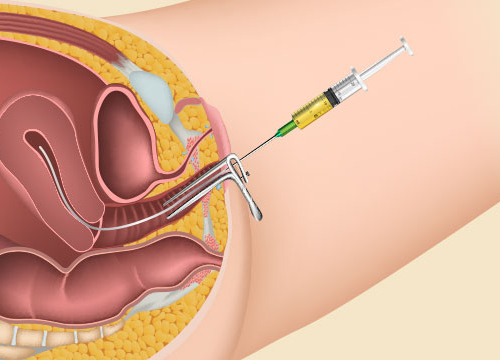
IUI is usually a brief procedure that does not require general anaesthesia.
During insemination, you may feel pressure from the speculum or mild discomfort as the catheter passes through the cervix. Some women experience temporary, period-like cramps.
After the procedure, you may notice mild cramping or light spotting. These symptoms usually settle, but we suggest seeking medical advice for persistent or severe symptoms.
Most patients can go home shortly after the procedure and return to their normal routine. If you have concerns about pain, previous difficult procedures, or anxiety, discuss them with our fertility specialist before treatment.
Preparing for IUI Treatment at Nimaaya IVF & Fertility, Ahmedabad
Preparation helps ensure that your treatment plan is based on the most relevant information and that you understand each stage of the cycle.
Before your appointment:
- Bring previous fertility investigations, ultrasound reports, and semen analysis results.
- Share details of menstrual cycles, previous pregnancies, surgeries, and fertility treatments.
- Inform about all medicines and supplements you take.
- Follow instructions about any prescribed ovulation medication or trigger injection.
- Ask how and when the semen sample should be collected.
- Discuss smoking, alcohol, nutrition, and other lifestyle factors relevant to fertility.
- Clarify the expected number of visits, monitoring scans, costs, and pregnancy-testing date.
Do not start or change fertility medication without medical advice. The right preparation depends on your diagnosis and the treatment protocol selected by a fertility and IUI specialist in Ahmedabad.
Tips and Precautions After the IUI Procedure
After IUI, the focus is on following your treatment plan and allowing the pregnancy-testing process to provide a reliable answer.
Helpful precautions include:
- Take prescribed medicines exactly as directed.
- Maintain normal daily activities as tolerated.
- Eat a balanced diet and stay adequately hydrated.
- Follow doctor’s advice about exercise and other activities.
- Attend scheduled follow-up appointments.
- Take a pregnancy test on the date recommended by our specialist.
There is no good evidence that prolonged bed rest after an uncomplicated IUI improves pregnancy outcomes. Routine activity is generally acceptable unless doctors give you specific restrictions.
Contact our clinic if you develop severe or worsening abdominal pain, heavy bleeding, fever, marked abdominal swelling, persistent vomiting, or other concerning symptoms. Seek urgent medical care for severe pain, fainting, or difficulty breathing.
Dos and Don’ts After IUI Treatment
Dos
- Continue prescribed medication according to doctor’s instructions.
- Stay calm and relaxed when taking IUI treatment
- Follow the recommended pregnancy-testing schedule.
- Maintain a healthy, balanced diet.
- Get adequate sleep and manage stress in ways that work for you.
- Ask your doctor about any activity or medication you are unsure about.
Don’ts
- Do not stop progesterone or other prescribed medication without guidance.
- Do not take unprescribed fertility drugs or herbal supplements.
- Do not rely on symptoms alone to determine whether you are pregnant.
- Do not take a pregnancy test too early and assume that the result is final.
- Do not impose unnecessary bed rest or strict activity restrictions unless medically advised.
If your treatment included ovarian stimulation, ask your IUI specialist whether any temporary restrictions are appropriate for your particular response to medication.
When to Take a Pregnancy Test After IUI
A pregnancy test is generally recommended around 14 days after IUI, or on the date specified by fertility specialist.
Testing too early may produce a false-negative result because pregnancy hormone levels may not yet be high enough to detect. If you received an hCG trigger injection, an early test may also be falsely positive because the medication can remain detectable for a period.
A blood beta-hCG test may be recommended to confirm the result and assess whether repeat testing is necessary.
If the result is negative, contact your clinic before stopping any prescribed medication. Our doctor can advise you on the next steps based on the result and your treatment history.
If the result is positive, arrange a follow-up with your fertility team. An ultrasound at the appropriate stage can help confirm the pregnancy’s location and development.
Results After IUI Treatment
IUI does not guarantee pregnancy. The outcome depends on several factors, including age, the underlying cause of infertility, ovarian response, sperm quality, and fallopian tube health.
Possible outcomes include:
- Positive pregnancy test: Follow-up testing and an ultrasound may be needed.
- Negative pregnancy test: Our specialist will review the cycle and discuss the next steps.
- Uncertain early result: Repeat testing may be recommended to clarify the result.
Not becoming pregnant after one cycle does not necessarily mean IUI cannot work. However, repeated cycles should be reviewed in light of age, diagnosis, treatment response, and the time already spent trying to conceive.
At Nimaaya, discuss the intended outcome measure with your specialist. A positive pregnancy test, a clinical pregnancy confirmed by ultrasound, and a live birth are different measures and should not be treated as equivalent.
IUI Success Rate in Ahmedabad: Factors That Affect Your Chances
The success rate of IUI varies from patient to patient. There is no single percentage that accurately predicts the outcome for every couple seeking IUI treatment in Ahmedabad.
Important factors include:
Age of the female partner: Age influences egg quality and the likelihood of conception.
Cause of infertility: IUI may be more suitable for some diagnoses than others.
Fallopian tube health: At least one accessible, functioning fallopian tube is generally needed for conventional IUI to result in pregnancy.
Sperm parameters: Sperm concentration, motility, and the number of suitable sperm after preparation affect treatment planning.
Ovulation and follicular response: The development and timing of follicles can influence the treatment approach.
Duration of infertility: The length of time a couple has been trying to conceive may inform the next treatment decision.
Number of cycles: Some patients conceive over successive cycles, but the expected benefit of continuing should be reviewed regularly.
Ask your fertility specialist about the outcomes relevant to your age group and diagnosis. Any clinic-specific success-rate figure should state the reporting period, patient group, denominator, and whether it represents pregnancy or live birth.
Possible Side Effects and Risks of IUI Treatment
IUI is generally considered a low-risk procedure, but side effects and complications can occur.
Mild cramping: Temporary cramps may occur during or after insemination.
Light spotting: Minor bleeding can occur when the catheter passes through the cervix.
Infection: Infection is uncommon, but symptoms such as fever or worsening pelvic pain should be assessed.
Multiple pregnancy: If ovulation medication causes several follicles to develop, the risk of twins or higher-order multiple pregnancy may increase.
Ovarian hyperstimulation syndrome (OHSS): This is an uncommon but potentially serious complication associated with fertility medication. Symptoms may include significant abdominal swelling, pain, nausea, or vomiting.
Ectopic pregnancy: Pregnancy outside the uterus is possible and requires prompt medical assessment.
Monitoring and appropriate medication choices help manage some of these risks. Contact your fertility clinic if symptoms concern you, and seek urgent care for severe pain, fainting, or breathing difficulty.
What Happens If IUI Treatment Is Unsuccessful?
A negative pregnancy test can be disappointing, but it does not automatically mean that further fertility treatment will be unsuccessful.
Your fertility specialist may review:
- Whether ovulation occurred at the expected time.
- The number and development of follicles.
- The semen analysis and post-preparation sperm findings.
- Whether the fallopian tubes and uterine environment have been adequately assessed.
- Your age, ovarian reserve, and duration of infertility.
- Whether medication or treatment timing should be reconsidered.
Depending on the findings, you may be advised to try another IUI cycle, undertake additional investigations, or consider IVF or another appropriate treatment.
No fixed number of IUI cycles is suitable for everyone. The decision should account for your clinical circumstances, likely benefit, financial considerations, and personal preferences.
Advantages of IUI Treatment
For appropriately selected patients, IUI offers several potential advantages.
Minimally invasive: It involves placing prepared sperm into the uterus without egg retrieval or surgery.
Short procedure: Insemination usually takes only a few minutes.
Lower treatment complexity: IUI is generally less complex than IVF, although monitoring and medication may still be required.
Potentially lower cost: IUI often costs less per cycle than IVF, but the total cost depends on medication, monitoring, laboratory procedures, and the number of cycles.
Individualised treatment options: Natural-cycle and stimulated approaches may be considered according to clinical needs.
The benefits must be weighed against the likelihood of success in your individual circumstances. A less invasive treatment is not necessarily the most effective choice for every diagnosis.
IUI Treatment Cost in Ahmedabad
The cost of IUI treatment in Ahmedabad depends on the treatment protocol, investigations required, medication, monitoring, and laboratory services.
The cost of IUI treatment in Ahmedabad at Nimaaya is estimated at ₹17,000–₹25,000 per cycle. This estimate may cover the fertility specialist’s consultation, ovulation monitoring scans, sperm preparation, and the IUI procedure. Fertility medications, trigger injections, diagnostic tests, and pregnancy testing may incur additional charges. The final cost depends on the patient’s fertility condition, prescribed treatment protocol, and number of cycles required.
The amount payable may differ between a natural-cycle IUI and a stimulated cycle requiring additional medication or monitoring.
Factors That Affect the Cost of IUI Treatment in Ahmedabad
The total cost may depend on several components:
- Initial consultation: Assessment of medical history and previous reports.
- Fertility investigations: Hormone tests, semen analysis, ultrasound, and fallopian tube assessment where indicated.
- Medication: Ovulation-induction drugs, trigger injections, or other prescribed medicines.
- Follicular monitoring: Ultrasound scans and any required blood tests.
- Sperm preparation: Laboratory processing of the semen sample.
- Insemination procedure: The clinical procedure and associated consumables.
- Additional care: Follow-up consultations, pregnancy testing, or further investigations where required.
Why Choose Nimaaya for IUI Treatment in Ahmedabad?
- Personalised Fertility Care: Individualised IUI treatment plans based on medical history and fertility assessments.
- Affordable IUI Treatment: Estimated cost of ₹12,000–₹17,000 per cycle, depending on the treatment plan.
- IUI Success Rate: Individual success expectations assessed based on age, infertility diagnosis, and sperm parameters.
- Pregnancy Rate: Discuss pregnancy outcomes with fertility specialists based on your clinical profile.
- Patient Satisfaction: Patient-focused care with clear communication and treatment guidance.
- Experienced Fertility Specialists: Professional guidance throughout the fertility evaluation and treatment process.
- Comprehensive Fertility Assessment: Relevant investigations to determine IUI suitability.
- End-to-End Treatment Guidance: Support through consultation, ovulation monitoring, insemination, and pregnancy testing.
What Makes Nimaaya Different from Other Fertility Clinics in Ahmedabad?
- Personalised IUI Treatment Plans: Nimaaya evaluates each couple’s fertility history and diagnostic reports to help determine the most appropriate treatment approach.
- Experienced Fertility Specialists: Access to fertility consultations and guidance on IUI, IVF, and other treatment options based on individual medical needs.
- Integrated Women’s Healthcare: Nimaaya offers women’s healthcare services alongside fertility care, supporting patients who may need additional gynaecological evaluation.
- Individualised Ovulation Monitoring: Treatment timing is planned according to follicular development and the patient’s response to medication.
- Coordinated Fertility Care: Guidance through fertility investigations, sperm preparation, insemination, and pregnancy testing.
- Clear Treatment and Cost Discussions: Patients can discuss the estimated cost of IUI, possible additional charges, and the services included in their treatment plan.
- Guidance Beyond One IUI Cycle: If treatment is unsuccessful, the fertility team can review the results and discuss whether another IUI cycle or an alternative such as IVF may be appropriate.
- Convenient Fertility Consultation in Ahmedabad: Patients can contact Nimaaya to discuss their fertility concerns, arrange an appointment, and understand the next steps in treatment.