
Maintenance of thyroid problems during pregnancy poses a tremendous risk to both mother and offspring. The thyroid gland produces hormones that control metabolism, energy, and fetal brain growth. Hypothyroidism and hyperthyroidism influence the fertility of the patient, the duration of the pregnancy, and, in the long run, the child’s development.
When medium-to-severe thyroid conditions exist, medical care cannot be circumvented. However, there is inherent support for thyroid unction that complements traditional treatment. Employed judiciously under medical guidance, these therapies can induce a condition of hormonal equilibrium, enhance maternal health, and support optimal fetal development.
What Are Thyroid Disorders in Pregnancy?
The two principal thyroid conditions experienced by pregnant women are the following:
1. Hypothyroidism (Underactive Thyroid)
- Causes: Hashimoto’s thyroiditis, iodine deficiency, autoimmune disease.
- Symptoms: fatigue, weight gain, constipation, dry skin, depression, and slow heart rate.
- Risks: Miscarriage, preeclampsia, preterm birth, and developmental delays in the baby.
2. Hyperthyroidism (Overactive Thyroid)
- Causes: Graves’ disease, thyroid nodules, inflammation.
- Symptoms: Rapid pulse, anxiety, weight loss, increased frequency of bowel movements, and heat intolerance.
- Complications: Low birth weight, miscarriage, hypertension, and cardiac failure.
Read More: Negative Pregnancy Test: Causes, Concerns, and Next Steps
Natural Remedies to Support Thyroid Health During Pregnancy
Natural remedies must not substitute therapy for diagnosed thyroid disease in pregnancy, but when complemented with the counsel of a health practitioner, multiple secondary options are to be considered.
1. Maximize Your Iodine Intake

Thyroid hormone production needs iodine. Pregnant women need 220 mcg/day of iodine, and iodine deficiency is likely to worsen hypothyroidism further.
Food sources of iodine:
- Seaweed (kelp, nori—in moderation)
- Iodized salt
- Dairy foods (milk, cheese, yoghurt)
- Eggs
- Fortified cereals
Note: Taking more iodine can cause or worsen hyperthyroidism. Always clear it with your doctor before taking iodine supplements.
Read More: Difference Between IVF and Surrogacy
2. Consume Foods High in Selenium

Selenium plays an essential role in thyroid hormone metabolism and guards the thyroid against inflammation.
The foods high in selenium are
- Brazil nuts (1-2 a day is sufficient)
- Sunflower seeds
- Brown rice
- Lentils
- Mushrooms
3. Increase Zinc- and Iron-Rich Foods
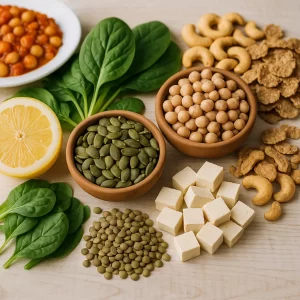
Zinc and iron are closely associated with thyroid hormone synthesis. Pregnancy raises the requirement for both minerals.
Sources:
- Pumpkin seeds, chickpeas, cashews (zinc)
- Spinach, legumes, tofu, fortified cereals (iron)
- Pair these with vitamin C (like lemon juice or oranges) to enhance absorption of iron from plant sources.
4. Excess Goitrogens Should Be Avoided
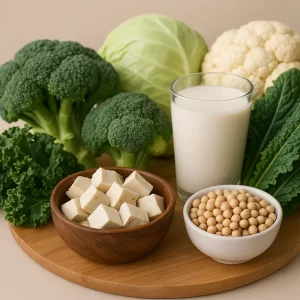
Goitrogens may interfere with the production of thyroid hormones, particularly if iodine function is low.
Foods containing goitrogens:
- Raw cruciferous vegetables (broccoli, cabbage, cauliflower, kale)
- Soy products (tofu, soy milk)
Tip: Cooking goitrogenic foods considerably minimizes any adverse effect. Do not avoid them completely; only decrease their raw consumption if you suffer from thyroid issues.
Read More: Hysterectomy Meaning in Marathi Explained
5. Stress Management by Mind-Body Practices

Stress elevates cortisol levels that can suppress thyroid function. Implementation of meditative practices will maintain hormonal balance during pregnancy.
Try:
- Prenatal yoga: to enhance circulation and ease tension.
- Breathing exercises: to decrease cortisol levels and calm the nervous system.
- Meditation: to promote repair and emotional balance.
6. Be Active with Gentle Exercise

Light to moderate exercise improves circulation, assists with hormone balance, and aids in weight maintenance—all of which are necessary for thyroid function.
Pregnancy-safe exercises are
- Walking (30 minutes a day)
- Swimming
- Stationary cycling
- Prenatal yoga or Pilates
Avoid: High-intensity exercise or overexertion, particularly with hyperthyroidism.
7. Get Plenty of Sleep and Rest

Thyroid imbalances can lead to sleep disruptions. Conversely, poor sleep can exacerbate hormone dysregulation. A soothing evening routine is essential.
Sleep tips:
- Maintain a regular sleeping schedule
- Avoid blue light (mobile phones, tablets) at bedtime
- Utilise relaxation strategies before sleep
- Use a footrest to elevate feet a little if having swelling during pregnancy
Read More: Cosmetic Surgery: A Comprehensive Guide
8. Embrace an Anti-inflammatory Diet
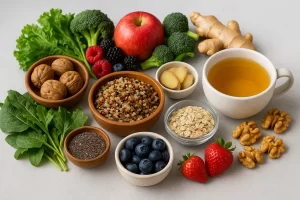
Long-term inflammation can exacerbate autoimmune thyroid diseases such as Hashimoto’s and Graves’ disease.
Anti-inflammatory foods to incorporate:
- Colorful fruits and vegetables (leafy greens, berries)
- Omega-3 foods (walnuts, chia seeds)
- Whole grains (quinoa, oats)
- Herbal teas (ginger, chamomile)
Avoid:
- Processed sugars
- Fried foods
- Artificial additives
9. Steer clear of Endocrine-Disrupting Chemicals (EDCs)

Some household and personal care items contain chemicals that imitate hormones and disrupt thyroid function.
Ways to limit exposure:
- Use BPA-free containers
- Replace with natural personal and cleaning products
Filter your drinking water (seek out fluoride- and chlorine-free water)
10. Obtain Regular Prenatal Thyroid Check-Ups

Even with a natural way of life, it’s necessary to:
- Check TSH, Free T4, and thyroid antibody levels
- Adjust medication if necessary (e.g., levothyroxine for hypothyroidism)
- Monitor symptoms such as palpitations, fatigue, or weight changes
Routine blood tests can also prevent complications in the mother and baby.
11. Maintain Your Gut Health

The gut and thyroid are closely interconnected, particularly in autoimmune thyroid disease.
Gut-friendly habits:
- Consume probiotic-rich foods (yoghurt, fermented vegetables)
- Add fibre-rich foods (whole grains, fruits, beans)
- Hydrate
- Avoid excess antibiotics or sugar that upsets gut flora
12. Herbal Support (Only With Doctor’s Approval)

Some herbs can support thyroid function, but should only be taken under medical supervision in pregnancy.
Examples:
- Ashwagandha: Supports thyroid in non-pregnant adults, but not during pregnancy unless specifically approved.
- Bladderwrack (seaweed): Can support iodine levels but may overstimulate the thyroid.
- Chamomile and Lemon Balm: Safe in moderation for stress reduction.
Read More: Benefits and Risks of Coconut Water During Pregnancy
13. Stay Hydrated

Water supports metabolic functioning and detoxification, having an indirect positive effect on the thyroid.
Target:
- 8–10 glasses of water a day, more if you exercise or are in the heat.
- Infuse with cucumber, lemon, or mint for added nutrients and taste.
14. Balance Blood Sugar Levels

Insulin resistance can exacerbate thyroid function. Blood sugar control can support a stable hormone environment.
Reminders:
- Eat small, balanced meals 3–4 hours apart
- Have a combination of protein, fiber, and healthy fats in every meal
- Don’t consume sugary foods or white carbohydrates
- Take short walks after meals to stabilize blood sugar levels
When to See a Doctor
Even with natural practices, seek immediate medical care if you have:
- Sudden weight loss or gain
- Rapid or irregular pulse
- Severe tiredness or dizziness
- Swollen neck
- Vision change
- Muscle weakness or tremors
Pregnancy may mask or mimic thyroid symptoms, so open communication with your obstetrician and endocrinologist is important.
Natural Thyroid Management: A Daily Pregnancy Routine Sample
Morning
- Warm lemon water
- Iodine-rich breakfast: fortified cereal with yoghurt and fruit
- Short prenatal yoga practice
Mid-morning
- Brazil nuts (2), green smoothie with spinach, berries, chia seeds
Lunch
- Quinoa salad with lentils, roasted vegetables, and olive oil
Afternoon
- Herbal tea (chamomile or ginger), whole-grain toast with nut butter
Dinner
- Brown rice, pan-fried tofu, steamed carrots, and a light serving of seaweed
Night
- 10-minute meditation
Sleep in an opaque, quiet space with minimal electronics
Conclusion: Collaborating with Experts Such as Nimaaya for Wholesome Thyroid Care
Pregnancy thyroid management demands a delicate mix of medical intervention and natural assistance. While diet, lifestyle modification, stress diminishment, and toxin evasion can help make a positive impact, appropriate medical care is essential.
Nimaaya, a pioneer in women’s reproductive health and prenatal wellness, provides individualised care for pregnant women with thyroid issues. Their holistic model—providing medical expertise alongside supportive wellness—means both you and your baby are in good hands.
No matter if you’re dealing with a new thyroid diagnosis or you just want to maximise your health naturally while pregnant, rely on experienced professionals such as the Nimaaya team to guide you along the way.
WE PROVIDE THESE SERVICES
At Nimaaya – Women’s Centre for Health, we are dedicated to supporting every woman’s health journey with expert care and compassion. Our wide range of fertility and gynecology treatments includes:
🔹 IVF Treatment
🔹 IUI Treatment
🔹 ICSI
🔹 Frozen Embryo Transfer (FET)
🔹 Egg Donation
🔹 Surrogacy
🔹 Fertility Medicine
🔹 Female & Male Infertility Solutions
🔹 Ovulation Induction
🔹 Teenage Health Support
🔹 Cosmetic Gynecology
FAQs
Q: Can I manage thyroid disease in pregnancy without medication?
A: No. If you’re found to have hypothyroidism or hyperthyroidism, you need medication. Alternative remedies boost overall health but don’t substitute for medical treatment.
Q: When should I have my thyroid tested for problems in pregnancy?
A: Preferably before getting pregnant or as soon as your first prenatal visit. Women with prior thyroid difficulties or infertility should be tested preemptively.
Q: Do prenatal vitamins suffice for iodine requirements?
A: Not necessarily. Ensure that your prenatal vitamin contains iodine (150 mcg or higher). Supplement only with a doctor’s guidance.
Q: Can seaweed be safely consumed during pregnancy?
A: In moderation. Excessive seaweed iodine may exacerbate hyperthyroidism. Use in small amounts from time to time.