
Fertility is an enthralling subject, filled with complexities, and among one of the more common queries asked by couples trying to conceive is, “How long does sperm live inside the female body?” Sperm lifespan is crucial for conception or preventing it. Various factors can affect sperm survival, such as the state of the woman´s reproductive system, the health of the sperm, and even the hormonal stage of the woman´s cycle.
In this comprehensive manual, we will delve into what sperm journey entails, what factors influence its survival time, and how that knowledge becomes crucial during conception. It is an essential piece of information for anybody trying to conceive, doing natural birth control, or simply interested in reproductive health.
Some Basic Information: What Happens to Sperm When It Is Injected into a Female Body?
Ejaculation during vaginal intercourse deposits semen near the cervix, which marks the opening into the uterus. Semen is a fluid that serves several purposes: It contains sperm cells along with proteins, enzymes, and nutrients whose function is to sustain the sperm.
Provided with this situation, sperm fertilize:
- Vaginal Canal → Cervix
- Cervix → Uterus
- Uterus → Fallopian Tubes (where fertilization usually happens)
Not all sperm survive this journey—millions perish along the way. Out of about 200 to 300 million sperm in a typical ejaculation, only a few hundred may reach the fallopian tube. And of those, typically just one sperm cell successfully fertilizes the egg.
How Long Does Sperm Live in the Female Reproductive Tract?
The lifespan of sperm inside the female body depends on several factors, but under ideal conditions, sperm can live up to 5 days.
Breakdown by Environment:
|
Location |
Sperm Lifespan |
|
Vagina (acidic environment) |
A few minutes to 1 hour |
|
Cervix (fertile mucus present) |
Up to 5 days |
|
Uterus |
Up to 5 days |
|
Fallopian Tubes |
Up to 5 days (where fertilization occurs) |
1. In the Vagina: Short Life Span
The vagina is naturally acidic (pH 3.8 to 4.5), which acts as a hostile environment to sperm. In this environment
- Sperm may die within minutes to an hour if they do not get protection from cervical mucus.
- Seminal fluid neutralizes this acidity for a while, granting a prolonged survival to some sperms.
2. In the Cervix and Beyond: Extended Survival
During ovulation, the fertile cervical mucus is produced by women. The mucus:
- Nourishes and protects the sperm.
- Develops channels that enable sperm to swim towards the egg.
- Can keep sperm alive for 3 to 5 days.
If there is no ovulation and cervical mucus is either absent or thick, sperm will not survive for more than a day.
Factors Influencing the Lifespan of Sperm Within the Female Body
1. Timing of Ovulation
- There is an increase in estrogen level during ovulation, and fertile cervical mucus is secreted.
- The sperm can survive for about 5-day period due to the presence of fertile mucus.
- Beyond the fertile window, mucus acts toughly against sperm and they can die quickly.
- Quality of Sperm
- Healthy and motile sperms are more likely to survive.
- The extent to which sperm numbers, velocity and morphology (shape) are normal can help determine the lifespan of sperm.
- Heat, poor diet, smoking, alcohol, and tight clothing can negatively impact sperm quality.
3. Seminal Fluid Composition
- The seminal plasma contains enzymes, zinc, and proteins that protect sperm.
- A strong composition enhances the survival chances of sperm inside the female body.
4. Health and Age of the Female Partner
- Younger women typically have healthier cervical mucus and better hormonal regulation.
- Conditions like vaginal infections, STDs, or immune disorders can decrease sperm viability.
Fertile Window and Sperm Survival: What You Need to Know
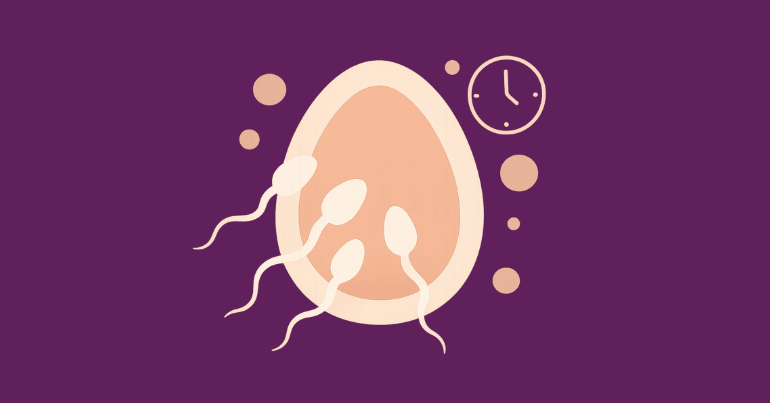
A woman’s fertile window is typically the 5–6 days leading up to ovulation and the day of ovulation itself.
Why Sperm Lifespan Matters:
- If sperm survives up to 5 days, and ovulation occurs on Day 5, sex on Day 1 can still result in pregnancy.
- This is why couples trying to conceive are advised to have intercourse every other day during the fertile window.
Sperm Journey Timeline: A Closer Look
|
Time After Ejaculation |
What Happens to Sperm |
|
0–30 minutes |
Sperm travel from the vagina to the cervix |
|
30 min–2 hours |
Many sperm enter the uterus |
|
2–6 hours |
Sperm can reach the fallopian tubes |
|
6–48 hours |
Most active sperm survive, waiting for ovulation |
|
Up to 5 days |
Best-quality sperm can remain viable and fertilize the egg |
Can a Woman Get Pregnant by Having Sexual Intercourse Days Before Ovulation?
Yes. Sperm can live up to 5 days in the female reproductive tract, and pregnancy occurs if:
- Sex takes place up to 5 days before the female ovulates,
- The egg is released and fertilized while sperm are still alive.
Hence many natural contraceptive methods such as the rhythm method can be unreliable unless one tracks ovulation very strictly.
Fallopian Tubes: Anatomy, History, Function & Conditions
What Makes Sperm Short-Lived?
1. Contraception and Douching
- Spermicides kill sperm on contact.
- The hormonal contraceptives, on the other hand, modify cervical mucus and ovulation to render that environment hostile.
- Vaginal Infections and pH Change
- A yeast infection or bacterial vaginosis can change the vaginal environment, making it less favorable for sperm survival.
- Lifestyle and Habits
- Smoking, alcohol, nutrition, and lack of exercise are all detrimental to sperm health.
Can Sperm Survive in the Female Body Without Ejaculation Inside?
No. Sperm must be ejaculated inside the vagina to have any chance of fertilizing an egg. Pre-ejaculate may carry some sperm; however, the number is very low, and the chance of fertilization is even lower—almost negligible but not absolutely zero.
Early Detection of Ectopic Pregnancy
Real-Life Scenarios: Understanding Sperm Lifespan in Practice
Scenario 1: Trying to Conceive
- The couple has sex on Day 10.
- Ovulation happens on Day 14.
- Since sperm can survive up to 5 days, conception is possible.
Scenario 2: Avoiding Pregnancy
- A couple avoids intercourse only on ovulation day.
- But they had sex 3 days earlier.
- Pregnancy can still occur due to long sperm survival.
Sperm Lifespan Outside the Body
Just for comparison, here’s how long sperm survives outside the body:
- In air (on hands, bed sheets, etc.): Only a few minutes until it dries.
- In warm water (like hot tubs): Sperm die quickly due to temperature changes and dilution.
This shows how vital the protective environment of the female reproductive tract is for sperm survival.
Understanding Semen Analysis: A Comprehensive Guide for Couples
How to Maximize Chances of Conception: Tips for Couples

For Men:
- Maintain healthy weight
- Quit smoking and reduce alcohol
- Avoid tight underwear
- Stay cool (no hot tubs or saunas)
- Eat a balanced, antioxidant-rich diet
For Women:
- Track ovulation using basal body temperature, ovulation predictor kits, or cervical mucus
- Maintain hormonal health through diet and exercise
- Consider supplements (consult your OB-GYN first)
Myths About Sperm Survival and Fertility
Myth 1: Sperm die instantly after ejaculation.
→ Not true. Under the right conditions, they can live up to 5 days.
Myth 2: You can’t get pregnant if you have sex before ovulation.
→ False. You can get pregnant even 3–5 days before ovulation due to sperm longevity.
Myth 3: Pulling out prevents all pregnancy.
→ Not guaranteed. Pre-ejaculate may contain sperm, and if timing is close to ovulation, pregnancy can occur.
Scientific Backing: What Studies Say
Studies have confirmed:
- Sperm longevity varies depending on cervical mucus and time in the menstrual cycle.
- Sperm motility (movement) plays a critical role in surviving long enough to fertilize the egg.
- Couples who time intercourse around ovulation have significantly higher conception rates.
One study in Human Reproduction found that intercourse 1–2 days before ovulation gives the highest chance of conception, thanks to the lifespan of healthy sperm.
Conclusion: Knowledge Empowers Fertility Choices
Understanding how long sperm lives in the female body—up to 5 days under ideal conditions—helps individuals and couples make informed decisions about their reproductive health. This window of opportunity plays a critical role in both achieving and preventing pregnancy. From sperm health to cervical mucus, every factor counts in the incredible journey toward conception.
If you’re trying to conceive or facing fertility challenges, expert support can make a big difference. Clinics like Nimaaya specialize in helping couples understand and optimize their fertility potential through evidence-based and compassionate care.
FAQs
Q1. Can sperm live 7 days in the female body?
Not usually. 5 days is the maximum under ideal conditions. Rarely, in perfect cervical mucus, a few sperm might survive slightly longer.
Q2. How do I know if sperm is still alive inside me?
You can’t tell directly, but if you’re in your fertile window, there’s a good chance some are alive for up to 5 days.
Q3. Can I get pregnant from sex 4 days before ovulation?
Yes. Sperm can survive long enough to fertilize the egg released 4 days later.
Q4. Does age affect sperm lifespan?
Age affects both male and female fertility. Older sperm may have lower motility, reducing survival time.
Q5. Does cervical mucus mean I’m fertile?
Yes, stretchy, egg-white-like mucus is a sign of ovulation and helps sperm survive longer.