

Pregnancy is a transformative journey in every woman’s life, where the expectant mother has to take special care of health and food. The food she eats goes into determining the nature of growth and the well-being of the baby. Of the many seasonal fruits that are known to be good for pregnant women, blackberry or Java often been touted as being nutritious and tasteful. Jamun is native to the Indian subcontinent, and hence the varieties there have been used medicinally for a variety of ailments, thanks to its rich nutritional values and restorative nature.
Is Jamun safe during pregnancy? What benefits and risks does it pose, and what are the best ways to incorporate it into your prenatal diet? This all-encompassing guide sheds light on every facet of eating jamun in pregnancy, addressing the health benefits of jamun, possible side effects, safe ways to consume it, and expert opinion.
Is Jamun Safe During Pregnancy? A Trimester-wise Guide
Yes, Jamun (Indian blackberry) is generally considered safe to eat during pregnancy when consumed in moderate amounts. It is a rich source of iron, vitamin C, dietary fibre, and antioxidants, which may help support healthy digestion, maintain normal blood sugar levels, and reduce the risk of iron deficiency anaemia. However, the quantity should always be based on your doctor’s advice, especially if you have gestational diabetes or any pregnancy-related medical condition.
First Trimester
During the first trimester, Jamun can be consumed in limited quantities. If you experience morning sickness, nausea, or a sensitive digestive system, begin with a small portion and observe how your body responds. Consult your obstetrician before making significant dietary changes.
Second Trimester
The second trimester is often considered an ideal time to include Jamun in a balanced pregnancy diet. Iron requirements increase during this stage, and many women also undergo screening for gestational diabetes. Jamun’s naturally low glycaemic index and potential blood sugar-supporting properties may be beneficial when included as part of a doctor-recommended meal plan.
Third Trimester
Moderate consumption of Jamun remains safe during the third trimester. However, eating excessive amounts may contribute to acidity, bloating, or stomach discomfort, particularly as digestion naturally slows in late pregnancy.
Additional Note:
Regardless of the trimester, fresh, thoroughly washed Jamun is always a better choice than processed products or herbal supplements. Every pregnancy is unique, so personalised dietary advice from your healthcare provider is recommended.
About Jamun
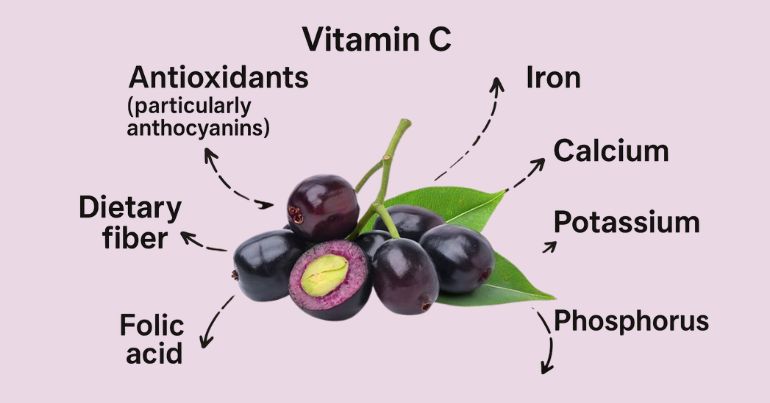
Jamun (the botanical name being Syzygium cumini) is a tropical fruit, which appears mostly in summer and monsoon seasons. The fruit is blackish-purple in color when ripe, having its characteristic sweet-sour and somewhat astringent taste. It is eaten raw with salt or black salt, plus it is used in making juices, jams, jellies, and some traditional Ayurvedic preparations.
Jamun is rich in:
- Vitamin C
- Iron
- Calcium
- Potassium
- Phosphorus
- Folic acid
- Antioxidants (particularly anthocyanins)
- Dietary fiber
Its nutritional density makes it an ideal fruit for expectant mothers, provided it is consumed in moderation and under medical guidance.
Nutritional Value of Jamun (Per 100g of Pulp)
| Nutrient | Amount |
| Calories | 62 kcal |
| Carbohydrates | 14 g |
| Fiber | 0.9 g |
| Vitamin C | 18 mg |
| Iron | 1.4 mg |
| Calcium | 15 mg |
| Potassium | 55 mg |
| Protein | 0.7 g |
Benefits of Jamun in Pregnancy
1. Elevating Hemoglobin Levels
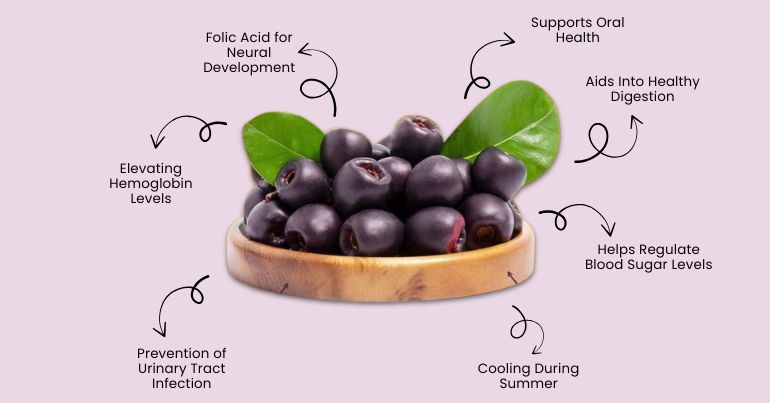
Jamun is an iron and vitamin C source, and these two components synergize in increasing hemoglobin levels. Anemia is the most common condition during pregnancy, and consuming jamun helps combat iron deficiency naturally.
2. Aids Into Healthy Digestion
Constipation and indigestion are common during pregnancy due to hormonal changes and the pressure experienced by the growing uterus. The dietary fiber in Jamun keeps bowel movements well regulated and aids digestion. On the other side, the astringent properties of Jamun curb bloating and gastric discomfort.
3. Helps Regulate Blood Sugar Levels
Jamun is well known for its hypoglycemic effect due to the presence of jamboline and ellagic acid. This is very important for controlling gestational diabetes. Nevertheless, medical supervision should be sought before using it.
4. Boosts Immunity
Being packed with antioxidants and vitamin C, Jamun builds pregnant women’s immune systems so that they can fend off common infections and illnesses during this frail period.
5. Supports Oral Health
Pregnancy hormones increase the risk of gum diseases and tooth problems. Chewing Jamun leaves after cleaning or taking the pulp promotes oral health against bacteria.
6. Promotes Healthy Skin
From oxidative stress, Jamun antioxidants protect the internal health of the body and reduce pigmentation and acne that arise during pregnancy due to hormonal changes.
7. Prevention of Urinary Tract Infection
UTIs are quite frequent among pregnant women. Its antibacterial and diuretic properties help in expelling toxins out of their bodies from Jamun and lowering the chances of infection of urinary tract.
8. Folic Acid for Neural Development
Jamun is a small source of folic acid that is very important for brain and spinal cord development in the fetus. Consumption of Jamun on a regular basis (put together with prenatal supplements) decreases the chances of neural tube defects.
9. Cooling During Summer
Jamun help lower your body heat and counteract ill-feeling and restlessness usually experienced by the pregnant woman, especially in the warm climate, due to their natural cooling properties.
Read More: Jackfruit During Pregnancy
Side Effects & Precautions of Eating Jamun in Pregnancy
While Jamun offers numerous benefits, overconsumption or improper use can lead to certain side effects. Here are some key points to be cautious about:
1. Risk of Acidity and Sore Throat
Jamun is acidic in nature. Overeating, especially on an empty stomach, can lead to a sore throat, stomach ache, or increased acidity.
2. Hypoglycemia Risk
For women managing gestational diabetes with medications or insulin, excessive intake of Jamun might lower blood sugar levels too much. Monitoring glucose levels is necessary when incorporating Jamun regularly.
3. Allergic Reactions
Though rare, some individuals may experience mild allergic reactions like itching, rash, or swelling. Always start with a small quantity if you’re trying it for the first time during pregnancy.
4. Mild Constipation
While Jamun helps with digestion, its astringent properties, if consumed in excess, may slow down bowel movement in some individuals.
5. Interference with Iron Absorption (in high doses)
Although Jamun contains iron, consuming large amounts without a balanced diet might not contribute significantly to iron absorption. It should be consumed alongside other iron-rich foods and vitamin C sources.
people Also ask: Thyroid During Pregnancy
Safe Ways to Eat Jamun in Pregnancy
To reap the most benefit and avoid any potential side effects, here are safe ways to enjoy Jamun:
Wash Thoroughly
Always wash Jamun thoroughly to remove any pesticide residue or dirt before consumption.
Eat in Moderation
1 small bowl (8–10 jamuns) a day is considered safe. Avoid eating them on an empty stomach.
Pair with Other Fruits
Mix Jamun with banana or yogurt to balance the acidity and make it easier on the digestive system.
Avoid Seeds
Always remove the seeds before eating, especially if blending into juices or smoothies.
Consume Fresh
Choose ripe and fresh fruits rather than processed forms like packaged Jamun juice or jam, which may contain added sugars and preservatives.
Early Signs and Symptoms of Pregnancy after Ovulation
Best Time to Eat Jamun in Pregnancy

The best time to eat Jamun is:
- Mid-morning snack: Around 10:00–11:00 AM
- Evening snack: Around 4:00–5:00 PM (but not too close to bedtime)
Avoid consuming jamun at night, as it may increase the risk of acidity and disrupt sleep.
IUI Success Symptoms Day by Day: What to Expect
Jamun Juice During Pregnancy: Yes or No?

Jamun juice can be a refreshing alternative during pregnancy, but it should be:
- Homemade with no added sugar
- Consumed in moderation (½ cup)
- Paired with water or coconut water to dilute acidity
Avoid packaged or bottled Jamun juices due to potential additives and preservatives.
Pregnancy Symptoms in Gujarati
Seeds and Leaves of Jamun: Are They Safe?
Jamun Seeds:
- Traditionally used for diabetes control, but not advised during pregnancy unless specifically recommended by a healthcare provider.
- Jamun seed powder can lower blood sugar significantly, which might be risky.
Jamun Leaves:
- Sometimes chewed for oral health or used in homemade tooth powders.
- Use only after medical approval and thorough washing.
Is It Safe to Eat Jamun During Breastfeeding?
Yes, consuming Jamun in moderate quantities during breastfeeding is generally considered safe for most mothers. It provides iron, vitamin C, and antioxidants that may support postpartum recovery and overall maternal health.
However, Jamun seed powder or herbal supplements should not be used during breastfeeding without medical supervision, as they may have a stronger effect on blood sugar regulation than the fresh fruit.
If your baby shows any unusual digestive discomfort after introducing Jamun into your diet, consult your healthcare provider.
Recipes of Jamun for Pregnant Women

1. Jamun Yogurt Smoothie
- Ingredients: Jamun pulp, plain yogurt, banana, honey
- Benefits: A cooling, digestive-friendly snack rich in probiotics and antioxidants.
2. Jamun Chaat
- Ingredients: Chopped Jamun, black salt, roasted cumin, lemon juice
- Benefits: A tangy midday snack that aids digestion.
3. Jamun Ice Cubes
- Freeze Jamun juice in an ice tray.
- Add to water or coconut water during pragnancy for a refreshing drink.
A Patient Guidance Story from Nimaaya’s Clinical Experience
At Nimaaya’s outpatient department, one of the most common questions expectant mothers ask is whether they can continue enjoying seasonal fruits such as jamun during pregnancy.
Recently, a woman in her second trimester asked our doctor, Pooja Nadkarni Singh, during a routine antenatal visit whether she could eat jamun every day. She had mild anaemia and was also scheduled for gestational diabetes screening. She was worried that eating fruit might affect her blood sugar levels or influence her test results.
After reviewing her medical history, haemoglobin levels, and glucose tolerance test schedule, the clinical team provided personalised dietary guidance instead of asking her to avoid the fruit completely.
The Simple Dietary Advice Given by the Doctor
- Quantity: 8–10 fresh Jamun fruits with breakfast; avoid eating them on an empty stomach.
- Timing: Consume between 10:00 AM and 11:00 AM as part of a mid-morning snack. Avoid eating Jamun late at night to reduce the risk of acidity.
- Food Pairing: Eat Jamun with yoghurt or a banana to help maintain digestive comfort and reduce acidity.
- Monitoring: Review haemoglobin levels and glucose tolerance test results during the next antenatal follow-up.
- Precaution: Avoid Jamun seed powder or concentrated herbal supplements during pregnancy, as they may have a stronger and less predictable effect on blood sugar levels.
This personalised approach reflects the routine clinical practice at Nimaaya. Rather than completely restricting nutritious foods, doctors assess each woman’s trimester, medical history, laboratory reports, and overall health before recommending an individualised pregnancy diet plan.
Clinical Note: Dietary recommendations during pregnancy should always be tailored to individual health conditions. Women with gestational diabetes, high-risk pregnancies, food allergies, or other medical concerns should follow the advice of their obstetrician or registered dietitian before making dietary changes.
Addressing a Common Pregnancy Myth About Jamun
During the same consultation, the patient also shared another concern she had heard from family members—that eating jamun during pregnancy could make the baby develop a darker skin tone. This is a common belief in many Indian households, but there is no scientific or medical evidence to support it.
The obstetrician at Nimaaya reassured her that a baby’s skin colour is determined primarily by genetics inherited from the parents and family, not by consuming specific fruits or foods during pregnancy. Foods such as Jamun influence the mother’s nutritional intake, but they do not alter the baby’s natural skin complexion.
The doctor further explained that instead of avoiding nutritious fruits because of myths, expectant mothers should focus on a balanced diet that supports healthy fetal growth and maternal well-being. At Nimaaya, doctors encourage patients to discuss such traditional beliefs openly so they can receive evidence-based guidance and make informed decisions throughout pregnancy.
Expert Insight: Pregnancy is often accompanied by advice from family, friends, and social circles. While many traditional practices are harmless, some misconceptions can create unnecessary anxiety. Nimaaya’s specialists help families distinguish cultural beliefs from medical facts, ensuring that every dietary recommendation is based on current scientific evidence and the mother’s individual health needs.
Conclusion: Expert Opinion from Nimaaya
Jamun is a powerhouse of essential nutrients that can support maternal and fetal health when consumed mindfully. Its ability to boost immunity, prevent anemia, regulate digestion, and even help manage gestational diabetes makes it a valuable addition to a pregnancy diet.
However, it is important to practice moderation and consult a qualified healthcare provider or a specialized fertility and maternity clinic to personalize dietary choices during pregnancy. At Nimaaya, a leading center for women’s health and fertility, the expert team of doctors and dietitians provides comprehensive prenatal care and nutrition counseling to ensure a healthy and happy pregnancy journey.
Whether you’re trying to conceive or are already expecting, Nimaaya supports you with the right knowledge and care—tailored just for you and your baby.
Frequently Asked Questions (FAQs)
Q1: Is it safe to eat Jamun during the first trimester?
Yes, but in limited quantities. Make sure to consult your doctor, especially if you have a sensitive digestive system or are prone to nausea.
Q2: Can Jamun help manage gestational diabetes?
Jamun may help regulate blood sugar, but it should never replace medication or dietary plans prescribed by a doctor.
Q3: Is Jamun good for the baby’s development?
Yes, Jamun contains folic acid, iron, and vitamin C—essential nutrients that support fetal development.
Q4: Can Jamun cause miscarriage?
There’s no scientific evidence suggesting that jamun causes miscarriage when consumed in moderation.
Q5: Can I eat Jamun every day during pregnancy?
Yes, if your doctor approves and you don’t have allergies or gestational diabetes concerns. Limit to about 8–10 fruits per day.