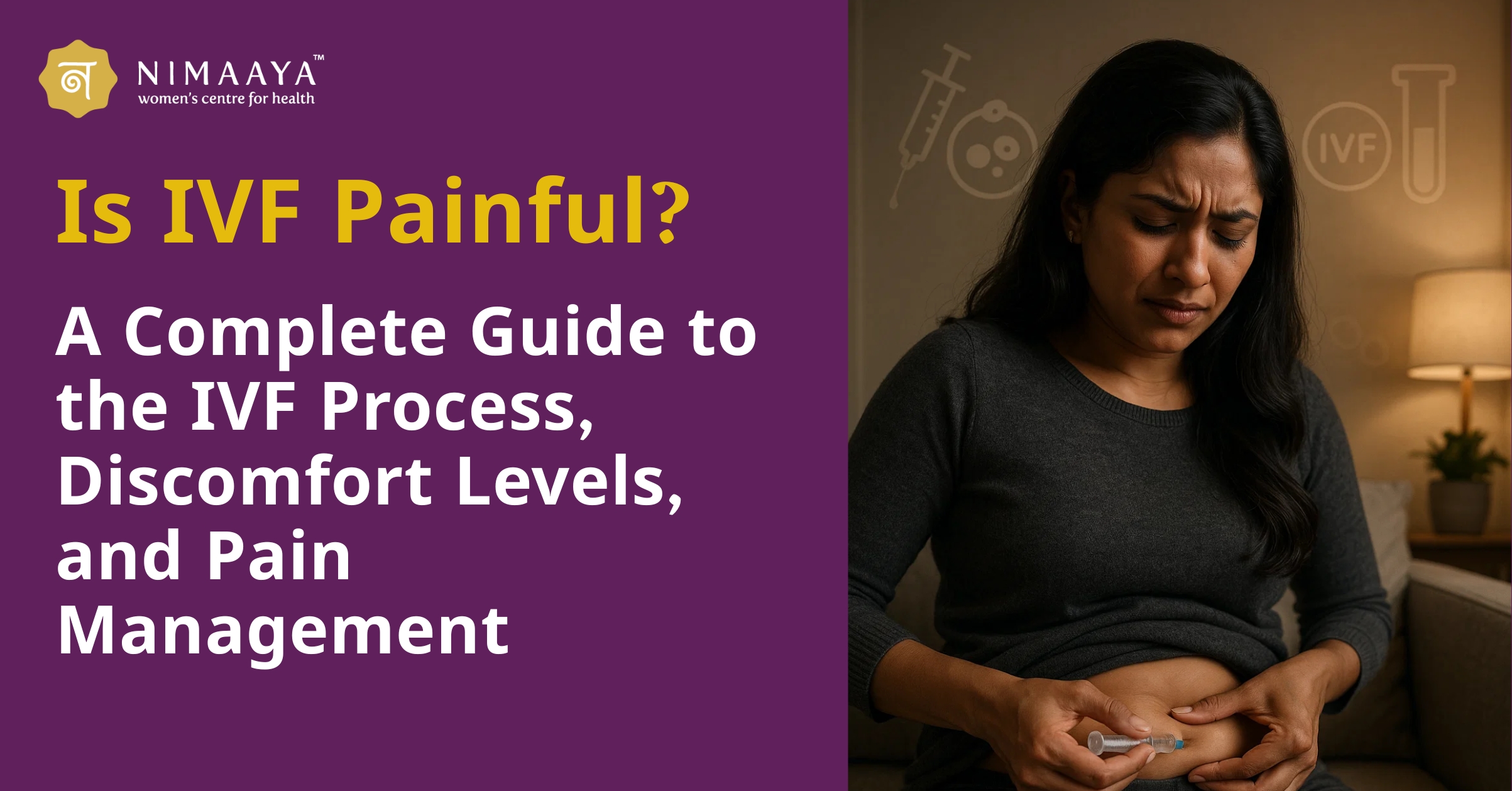
When individuals ask, “Is IVF painful?” what they’re really asking is, “How much physical and emotional discomfort will I endure?” The truthful response is: it varies. But in most cases, IVF is much more tolerable than individuals can picture. Yes, there is pain, and yes, there are pains at some steps—but with contemporary methods, quality medical care, and support, the majority of patients find it bearable.
Taking the time to prepare for IVF can help reduce both physical and emotional stress, making each step of the process more manageable.
Different stages have different levels of discomfort. Some are barely noticeable; others require more preparation, and some pain post-procedure is common. Emotional strain also plays a big role.
IVF Treatment Process & Stages—What to Expect in Terms of Pain
Here are the main stages of IVF, what you’ll physically feel, and when pain/discomfort typically happens.
1. Ovarian Stimulation
What happens:
You’ll be given hormone injections over several days to stimulate your ovaries to produce multiple follicles/eggs instead of the single egg that normally matures each cycle.
IVF injection pain/discomfort:
- Most injections are subcutaneous (just under the skin) or sometimes intramuscular.
- The feeling is typically a pinch, sting, slight soreness or pressure. It’s typically short-lasting. Some individuals experience a small bruise or swelling after the injection.
- Rotating injection sites prevents soreness. Ice, topical anaesthetics, warm compresses later, or relaxing the muscle is helpful.
Other side effects of stimulation:
- Bloating, feeling full in the belly (because several follicles are growing)
- Mild cramping, breast soreness, and mood swings related to hormones
- Occasionally mild pain as the ovaries are enlarged.
2. Egg Retrieval (Oocyte Retrieval)
What occurs:
Following stimulation, when follicles have reached the mature stage, a trigger injection is administered. ~36 hours after that, eggs are collected under ultrasonographic control. They employ sedation or light GA. A fine needle is inserted via the vaginal wall into the ovary to collect the eggs.
IVF egg retrieval pain:
- During the procedure: little or no pain due to sedation or anaesthesia. The majority do not experience pain at the actual procedure.
- After the procedure: normal feelings are cramping (similar to period cramps), some bloat, perhaps light vaginal spotting. Discomfort, not severe pain. Mild soreness in the lower abdomen.
- How long: typically cramping/discomfort lasts for 24-48 hours; some women experience it a little longer but it will typically pass.
- Severe pain is uncommon unless complications such as OHSS (Ovarian Hyperstimulation Syndrome) are present or if the individual had other complications (e.g. pre-existing conditions, some anatomical challenges).
3. Embryo Transfer
What happens:
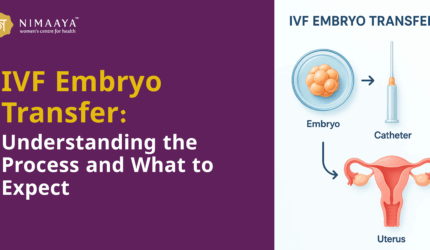
After embryo culture and fertilisation, the embryo is inserted into the uterus through a thin catheter. It’s quite a brief procedure. Typically no anaesthesia.
IVF embryo transfer pain /Discomfort:
- Little or no pain in most women. Some experience mild pressure, mild cramping, brief discomfort mildly. Often likened to a Pap smear or a mild menstrual cramp.
- It’s very short. Later on, there could be some light cramping or spotting.
Common IVF Side Effects
Physical side effects and emotional IVF side effects are both important. Following are what most people experience.
Physical Side Effects / Discomforts:
- Bloating, feeling heavy due to swollen ovaries.
- Mild to moderate cramping / aches (particularly following egg retrieval).
- Soreness at injection sites: occasionally bruising, redness.
- Mild spotting/vaginal bleeding after retrieval or transfer.
- Hormonal side effects: mood swings, fatigue, breast tenderness, sometimes headaches or nausea.
Emotional & Psychological Side Effects:
- Anxiety (especially around uncertain outcome, waiting periods)
- Mood swings due to hormones and stress.
- Frustration if cycles don’t succeed, worry about side effects.
- Feeling of isolation, guilt, sometimes depression if things don’t work out.
Pain Management Tips During IVF
Here are some useful methods to minimize pain and discomfort.
Adhere to your physician’s orders closely
- Take pain relief medications (prescribed ones) as instructed.
- Inform your doctor of any prior pain condition or concerns.
Injections: minimize discomfort
- Vary injection points so you do not inject repeatedly in the same area.
- Apply ice packs or numbing cream 20-30 minutes prior to injection to desensitize the area.
- Relax the muscle (particularly for intramuscular injections). Tension increases pain. Deep breathing, lying down if possible.
Following egg retrieval / transfer
- Take mild over-the-counter painkillers such as paracetamol or ibuprofen (if sanctioned by your doctor).
- Use warm compress to the lower abdomen to relieve cramps.
- Rest, avoid heavy activities for at least a day or two following retrieval.
Emotional and mental care
- Support groups, counseling, or therapy to work through anxiety, stress, fear of failure.
- Mindfulness, meditation, breathing exercises reduce the pain perception. Stress can accentuate pain.
- Open communication with partner, friends, or doctors. Having someone emotionally supportive matters.
Emotional Pain vs Physical Pain
It’s worth differentiating them but also how they intertwine.
- Physical pain tends to be short-lived and localized (injections, retrieval, etc.). Emotionally, IVF is often associated with anxiety, hope, fear, and sometimes sadness. These emotions are likely to be more lasting.
- Emotional stress can magnify physical pain—if you’re anxious or worried, you may notice pain more.
- Success rates are not assured, which can result in repeated disappointment, leading to emotional tension.
Conclusion: IVF is More Manageable Than You Think
If you’re contemplating IVF, the physical pain is usually moderate, not overwhelming. Many people find the anticipation worse than the actual procedures. With modern techniques, experienced doctors, good pain management, and emotional support, most couples make it through more comfortably than they expected.
At Nimaaya IVF Center, our focus is to make your IVF process as relaxing and tension-free as possible.
FAQs
Q: Does IVF hurt physically and emotionally?
A: To a certain extent, yes. Physically, there is discomfort from injections, hormonal changes, egg retrieval, and embryo transfer—but for most, pain is manageable and mild. Emotionally, IVF can include fear, worry, hope, and disappointment. Physical and emotional processes are real, but many report that with adequate support, the overall experience is bearable and even positive.
Q: How painful is IVF egg retrieval?
A: On retrieval, very little pain is experienced if sedation or anesthesia is applied. Subsequent to this, look for period-like cramping, bloating, perhaps a day or two of mild soreness. Severe pain is unusual and needs to be brought up with your physician.
Q: Pain with IVF injections and how to minimize it?
A: Most injections are comfortable; lots of people say they feel like a minor pinch or a sting. To minimize discomfort: rotate sites, numb the area first (ice or numbing cream), relax your body, use distraction, use correct technique.
Q: How does the IVF process feel for women?
A: The experience is a combination of physical discomfort and emotional highs and lows. Women find the waiting the most difficult – anxiety about outcome, coping with drug effects, morning of treatments, etc. But most tell us that the discomfort was less than they thought. Good medical care, realistic expectations, emotional support during IVF make a big difference.
Q: What are the ways to relieve pain during IVF treatment?
A: For painful procedures (such as egg retrieval), clinics administer sedation or anesthesia. For other discomforts: mild analgesics (paracetamol, ibuprofen) with medical clearance, warmth/compresses, rest. Emotional relief also holds—support, relaxation, mindfulness.