
Infertility is a deeply personal and often emotionally challenging condition that affects millions of couples worldwide. Simply put, infertility is defined as the inability to conceive naturally after 12 months of regular, unprotected sexual intercourse. This condition can affect both men and women and is influenced by medical, genetic, and lifestyle factors in the affected couple. Globally, it is estimated that approximately 10–15% of couples experience infertility at some point in their lives. In India alone, infertility affects nearly one in six couples, highlighting the importance of awareness, timely diagnosis, and effective treatment options.
Beyond the medical aspects, infertility carries significant emotional and psychological consequences. Couples may experience stress, anxiety, depression, or strained relationships due to the pressure and societal expectations surrounding fertility conception. Understanding infertility is the first step toward seeking support, exploring treatment options, and making informed decisions about one’s reproductive health condition. Both male and female infertility contribute equally to this challenge, emphasizing the need for comprehensive evaluation and treatment options. Whether the cause lies in hormonal imbalance, structural issues, lifestyle factors, or genetic disorders, early consultation with a specialist can make a significant difference.
By understanding the root causes, recognizing symptoms, and exploring diagnosis & treatment options, couples can regain hope and work toward parenthood that they dream about. In this comprehensive guide, we will explore the meaning of infertility, its signs and causes, diagnostic tests, infertility treatment options, preventive measures, and living with this condition, ensuring a complete resource for those seeking answers.
What is Infertility?
Infertility: Meaning and Overview
Infertility refers to the inability to conceive after a minimum of one year of unprotected intercourse for couples under 35 years of age, or after six months for women over 35. It is important to differentiate between primary infertility and secondary infertility. Primary infertility occurs when a couple has never conceived, while secondary infertility refers to difficulty conceiving after a previous successful pregnancy.
Fertility naturally declines with age due to a reduction in egg quantity and quality in women and changes in sperm parameters in men. Other factors, including lifestyle, hormonal imbalances, and chronic health conditions, can also influence fertility. Understanding these distinctions is crucial for determining the most effective treatment approach. Couples struggling with infertility often benefit from early evaluation to identify underlying causes, as timely intervention can significantly improve the chances of conception naturally or medically.
How Common is Infertility?
Infertility affects a significant portion of the population worldwide. Studies estimate that around 10–15% of couples globally face challenges conceiving, with male and female factors contributing equally. In India, infertility prevalence is even higher, with nearly 16% of couples experiencing difficulty conceiving.
Age plays a critical role in fertility. Women over 35 years experience a decline in egg quality, which affects conception rates and increases the risk of miscarriage. Similarly, men may encounter reduced sperm quality and motility as they age, contributing to problems on ages in fertility. Environmental factors, lifestyle choices, and chronic health conditions further influence fertility outcomes.
Understanding the prevalence and the impact of age helps couples make informed decisions regarding family planning and fertility treatments. Early consultation with a specialist and proactive evaluation can increase the likelihood of successful conception.
Signs of Infertility
Common Signs You May Have Infertility
Recognizing and understanding the signs of infertility early can help couples seek timely evaluation and appropriate treatment. While each individual is unique, there are some common indicators in both men and women that may indicate difficulties with conception. Identifying these root signs early allows for better planning and proactive care.
For women, infertility may carry through changes in menstrual patterns or reproductive health. Some of the most common signs include:
- Irregular or absent periods – Period cycles that are unusually long, short, or inconsistent can indicate ovulation problems, which can make conception difficult.
- Painful or heavy periods – Conditions such as endometriosis or uterine fibroids can cause discomfort and affect fertility.
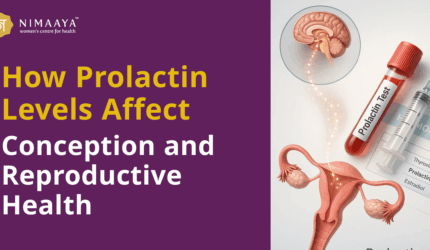
- Hormonal imbalances – Symptoms like excessive hair growth, acne, prolactin or sudden weight fluctuations may signal polycystic ovary syndrome (PCOS) or thyroid disorders.
- Regular periods but not getting pregnant – Even if cycles appear normal and there are no missed periods, difficulties in conceiving may point to underlying fertility issues, including tubal blockages or subtle hormonal disturbances.
Male infertility symptoms are frequently linked to sperm quality, reproductive function, or hormonal health. Signs can include:
- Low sperm count or poor motility – Reduced quantity or weakened movement of sperm can significantly decrease the chance of fertilization.
- Weak ejaculation or erectile dysfunction – Challenges with sexual function may interfere with conception.
- Hormonal imbalances – Low testosterone or other hormonal issues can affect sperm production and overall fertility.
Other general signs in couples trying to conceive may include:
- Repeated miscarriages or difficulty maintaining pregnancy
- Long periods of unprotected intercourse without conception (>12 months for women under 35, >6 months for women over 35)
- Unexplained infertility, where routine tests appear normal but conception is still not occurring
Being aware of these infertility symptoms and signs you can’t get pregnant helps couples understand when to seek medical advice. Early evaluation by a fertility specialist can identify the root cause and guide couples toward effective treatment, improving the chances of conception and overall reproductive health.
Causes of Infertility
Infertility arises due to a combination of physiological, hormonal, and lifestyle factors affecting either partner. While some causes are easily treatable, others may require medical interventions or assisted reproductive technologies. Understanding the root causes is essential for timely diagnosis and effective treatment. Infertility can stem from female-specific factors, male-specific factors, or a combination of both, making comprehensive evaluation crucial. Early intervention, like semen analysis, lifestyle modifications, and fertility testing & treatment can significantly improve the chances of conception.
Female Infertility Causes
Female infertility causes can be structural, hormonal, or lifestyle-related factors that interfere with ovulation, egg quality, or the reproductive tract. Common causes include:
- Blocked fallopian tubes: Often caused by infections, pelvic inflammatory disease, or prior surgeries.
- Polycystic Ovary Syndrome (PCOS): A hormonal disorder that affects ovulation and menstrual regularity.
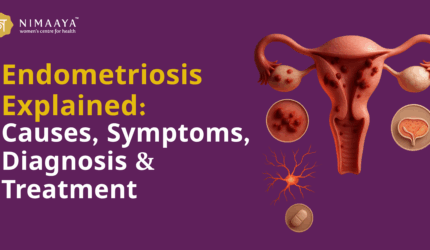
- Endometriosis: Growth of uterine tissue outside the uterus, which can damage reproductive organs and hinder implantation.
- Thyroid disorders: Both hyperthyroidism and hypothyroidism can affect menstrual cycles and fertility.
- Ovulation disorders: Irregular or absent ovulation is a major cause of female infertility.
- Lifestyle factors: Obesity, excessive weight loss, smoking, alcohol consumption, and chronic stress can all impair fertility.
- Age-related decline: Fertility naturally decreases with age due to reduced egg quality and quantity.
- Contraception: Contraception and future fertility are connected when a woman is on long-term contraception, and then there is difficulty when trying to conceive naturally.
These causes can often be managed with a combination of medical treatment, lifestyle changes, and assisted reproductive technologies such as IVF. Women looking to enhance their reproductive health may also benefit from strategies on how to improve egg quality.
Male Infertility Causes
Male infertility usually results from issues affecting sperm production, quality, or delivery, and may involve hormonal imbalances or lifestyle factors. Common causes include:
- Low sperm count: Reduced number of sperm in ejaculate, impacting the likelihood of fertilization.
- Poor sperm motility: Weak or sluggish sperm movement reduces the chances of reaching and fertilizing the egg. Man facing oligospermia is another factor of infertility.
- Abnormal sperm morphology: Structural defects in sperm can affect fertilization potential.
- Hormonal imbalances: Low testosterone, thyroid issues, or pituitary dysfunction can interfere with sperm production.
- Lifestyle factors: Smoking, alcohol consumption, drug use, stress, exposure to chemicals, and obesity can reduce sperm quality.
Male infertility can often be improved with medical treatments, surgical interventions such as sperm retrieval, and lifestyle modifications. Visual aids, like an infographic comparing sperm parameters and contributing factors, can help couples understand these causes more clearly.
Diagnosing Infertility
Diagnosing infertility is a critical step in understanding why conception may not be occurring and helps couples make informed decisions about treatment. Both men and women undergo specific evaluations to identify underlying causes, as infertility can result from a variety of factors ranging from hormonal imbalances to structural or genetic issues. Early and accurate diagnosis not only helps determine the most effective treatment plan but also improves the chances of successful conception.
A structured approach to diagnosis ensures that both partners are assessed comprehensively, and potential reversible causes are addressed promptly. At Nimaaya, our specialists follow a systematic evaluation process, combining medical history, physical examination, laboratory tests, and imaging studies to pinpoint the factors affecting fertility.
Female Infertility Diagnosis
Diagnosing female infertility involves evaluating hormonal levels, ovulation patterns, and reproductive anatomy to detect issues that could interfere with conception. Common diagnostic steps include:
- Blood Tests: Measures hormones like FSH (Follicle-Stimulating Hormone), LH (Luteinizing Hormone), and AMH test (Anti-Müllerian Hormone) to assess ovarian reserve and ovulation induction.
- Ultrasound Scans: Pelvic ultrasounds help check ovarian reserve, follicle development, and uterine health and detect cysts, fibroids, or endometriosis.
- HSG Test (Hysterosalpingography): An X-ray test that evaluates the patency of fallopian tubes and uterine cavity, crucial for detecting blockages.
- Laparoscopy for Infertility: A minimally invasive surgical procedure used to identify conditions like endometriosis, pelvic adhesions, or tubal damage.
By combining these diagnostic tools, doctors can determine whether infertility stems from ovulatory disorders, structural abnormalities, or other factors. Stepwise evaluation ensures a targeted treatment plan, reducing unnecessary interventions and improving outcomes.
Male Infertility Diagnosis
Male infertility diagnosis focuses on evaluating sperm quality, hormonal balance, and genetic factors. Identifying the cause is essential for selecting effective treatments and optimizing chances of conception. Common diagnostic steps include:
- Semen Analysis: Examines sperm count, motility, morphology, and volume. Abnormal results can indicate issues like oligospermia or asthenozoospermia.
- Hormonal Tests: Assess levels of testosterone, FSH, and LH to detect hormonal imbalances affecting sperm production.
- Genetic Testing: Conducted if there is a history of recurrent miscarriage, azoospermia, or congenital abnormalities.
- Physical Examination & Medical History: Identifies varicoceles, testicular issues, or systemic conditions impacting fertility.
This comprehensive evaluation enables fertility specialists at the best IVF Centre in Ahmedabad to tailor treatments for men, such as lifestyle changes, medications, or surgical procedures such as sperm retrieval. Accurate diagnosis is the foundation for successful fertility management.
Infertility Treatment Options
Infertility treatment options vary based on the underlying cause, age, and overall health of the couple. Modern medicine provides a wide array of solutions, ranging from medications and surgical interventions to advanced assisted reproductive technologies (ART) such as IVF, IUI, and surrogacy. Choosing the right treatment requires a thorough diagnosis and personalised consultation with a fertility specialist. While some couples may respond well to simple lifestyle modifications or medications, others may require more advanced interventions. Understanding each treatment’s benefits, risks, and success rates empowers couples to make informed decisions and enhances their chances of conception.
Female Infertility Treatments
Female infertility treatment focuses on addressing ovulation problems, structural issues, and age-related fertility decline. The most common approaches include:
Medications:
- Clomiphene citrate: stimulates ovulation in women with irregular cycles.
- Gonadotropins: injectable hormones that induce ovulation.
- Metformin: often prescribed for women with PCOS to regulate insulin and improve ovulation.
Surgical Interventions:
- Laparoscopy: removes adhesions, cysts, or endometriotic tissue.
- Tuboplasty: restores function to blocked fallopian tubes.
- Fibroid removal (myomectomy): improves implantation chances.
Assisted Reproductive Technologies (ART):
- IUI (Intrauterine Insemination): sperm is directly inserted into the uterus during ovulation.
- IVF (In Vitro Fertilization): eggs are fertilized outside the body and transferred to the uterus.
- Egg freezing: preserves fertility for women delaying pregnancy.
- Surrogacy: an option for women unable to carry a pregnancy.
These treatments aim to improve fertility outcomes while minimizing risks. Couples are encouraged to combine medical interventions with lifestyle modifications and techniques to improve egg quality, such as a balanced diet, exercise, and stress management.
Male Infertility Treatments
Treating male infertility focuses on improving sperm quality, motility, and overall reproductive health. Key approaches include:
Medications:
- Hormonal therapies or supplements to improve sperm production and testosterone levels.
- Antioxidants and vitamins such as zinc, folic acid, and vitamin C.
Surgical Interventions:
- Sperm retrieval procedures: used in cases of azoospermia or blockages preventing sperm ejaculation.
Lifestyle Modifications:
- Healthy diet rich in antioxidants to enhance sperm quality.
- Regular physical activity to maintain optimal weight and hormone balance.
- Avoiding smoking, alcohol, and exposure to environmental toxins that impair fertility.
Early intervention, combined with lifestyle adjustments and medications, can significantly enhance fertility in men. Personalized evaluation by a fertility specialist ensures the best treatment plan.
Common Fertility Treatments and Complications
Modern fertility treatments have revolutionized the chances of conception, offering couples multiple pathways to parenthood. Common procedures include:
- IUI (Intrauterine Insemination): increases chances of fertilization by placing sperm directly into the uterus.
- IVF (In Vitro Fertilization): fertilization of eggs outside the body, followed by embryo transfer.
- ICSI (Intracytoplasmic Sperm Injection): a single sperm is injected into an egg, often used in severe male infertility.
- Surrogacy: an alternative for women who cannot carry a pregnancy.
- Fertility preservation: Sperm or egg freezing for future conception.
Potential Risks and Complications:
- Multiple pregnancies leading to premature birth or complications.
- Ovarian hyperstimulation syndrome (OHSS) from fertility medications.
- Procedure-related risks such as infection or bleeding.
- Emotional and financial stress due to the intensity of treatments.
Couples seeking these treatments are encouraged to consult with trusted centers such as IVF center in vadodara to ensure high success rates and safe procedures.
Can Infertility Be Cured?
Whether infertility can be cured depends largely on the underlying cause. In many cases, targeted treatments such as medications, surgery, or ART can restore fertility and lead to successful conception. For example, women with PCOS may achieve pregnancy after ovulation induction, while men with low sperm count can improve fertility through lifestyle modifications and medical interventions.
IVF success rates vary: studies indicate that couples undergoing IVF may have a 40–50% chance of live birth per cycle, depending on age and health conditions. Case examples show that even couples who previously struggled with secondary infertility or blocked fallopian tubes have achieved parenthood through advanced fertility treatments. Early diagnosis, adherence to treatment plans, and emotional support are key factors in achieving a successful outcome.
Outlook and Prevention
Infertility can feel like an overwhelming challenge, but with the right guidance, treatment, and lifestyle adjustments, many couples achieve successful conception. Understanding both the prognosis after treatment and the steps to prevent infertility empowers individuals to take control of their reproductive health. This section provides insight into what couples can realistically expect and practical measures to enhance fertility and maintain long-term reproductive wellness.
Prognosis: What to Expect
The chances of conception after infertility treatment vary depending on age, underlying causes, and the type of intervention chosen. For instance, couples undergoing IUI or IVF may experience success rates ranging from 25% to 50% per cycle, depending on factors like egg quality, sperm health, and uterine conditions. Even in cases where initial attempts are unsuccessful, subsequent cycles or alternative fertility treatments can significantly improve outcomes.
Equally important is the emotional journey associated with infertility. Couples often face stress, anxiety, and disappointment during treatments, which can impact overall well-being. Psychological support, counseling, and joining support groups can help manage these emotions effectively, providing resilience and encouragement. Maintaining a positive outlook, staying informed about treatment options, and actively participating in decision-making enhances both mental health and fertility success.
How to Prevent Infertility
While not all cases of infertility can be prevented, several proactive measures can significantly improve reproductive health. Maintaining a balanced diet rich in vitamins, minerals, and antioxidants supports hormonal balance and egg and sperm quality. Regular exercise enhances circulation, reduces stress, and promotes overall reproductive function. Avoiding smoking, excessive alcohol consumption, and exposure to environmental toxins further protects fertility.
Routine medical health checkups allow early detection of conditions like PCOS, endometriosis, thyroid disorders, or infections that could impact fertility. Stress management through meditation, yoga, or counseling is also essential, as chronic stress can disrupt hormonal balance and ovulation. Couples planning for parenthood can maximize their chances of conception by combining these lifestyle modifications with timely medical evaluations and fertility screenings.
Facing & Living with Infertility
Living with infertility can be emotionally challenging and sometimes overwhelming, but understanding when to seek help, navigating treatment costs, and asking the right questions can make the journey manageable and hopeful. Couples often experience stress, anxiety, or disappointment when conception does not happen as expected. It’s important to remember that infertility is a common condition, affecting millions of couples worldwide, and that effective treatment options are available for both male and female infertility. Open communication, emotional support, and proactive planning are key components of living with infertility while staying empowered and informed
When to Seek Professional Help
If you’ve been trying to conceive for more than 12 months without success, it is advisable to consult a fertility specialist. Women over 35 should seek professional help after six months, as fertility naturally declines with age and early intervention can improve the chances of conception.
Red flags that warrant immediate evaluation include:
- Irregular menstrual cycles or problems on ages affecting ovulation
- Severe pain during periods or intercourse
- Male factors such as low sperm count, weak ejaculation, or erectile dysfunction
- Repeated miscarriages or difficulty maintaining a pregnancy
- Chronic health conditions such as diabetes, thyroid disorders, or hormonal imbalances
Early consultation allows specialists to conduct thorough infertility tests, identify underlying causes, and recommend personalized treatment options such as IUI, IVF, or lifestyle interventions. Being proactive not only improves fertility outcomes but also reduces emotional stress, as couples can take informed steps toward conception.
Insurance and Coverage Tips
Navigating the financial aspect of infertility treatment is an important part of living with the condition. Many insurance plans provide coverage for basic fertility consultations and some diagnostic tests, but coverage for advanced procedures like IVF, IUI, or surrogacy may vary. It’s essential to carefully review your insurance policy and discuss coverage options with your provider to avoid unexpected expenses.
Couples can also consider financial planning strategies to manage costs associated with Assisted Reproductive Technologies (ART). Options include:
- Payment plans offered by fertility clinics
- Loans specifically designed for fertility treatment
- Tax deductions for medical expenses related to infertility
- Exploring government or NGO-funded fertility programs (if available locally)
Understanding coverage and planning ahead ensures that couples can pursue treatment without unnecessary financial stress, allowing them to focus on their fertility journey with confidence.
Questions to Ask Your Healthcare Provider
When consulting a fertility specialist, asking the right questions can help you make informed decisions and tailor the treatment plan to your unique situation. Key questions include:
- What is the success rate of recommended fertility treatments for my age and condition?
- What are the costs and potential risks associated with each procedure?
- Are there alternative treatments or lifestyle interventions that could improve outcomes?
- How long will it take to see results, and how will progress be monitored?
- Can you provide guidance on how to improve egg quality or sperm health naturally?
- What emotional and psychological support resources are available during treatment?
Having a clear discussion about these aspects empowers couples to participate actively in their fertility journey and ensures that expectations are realistic while exploring all available options. A personalized treatment plan based on medical evaluation, lifestyle factors, and individual goals increases the likelihood of successful conception.
FAQs About Infertility
Q: Can chlamydia cause infertility?
Yes, untreated chlamydia can lead to pelvic inflammatory disease (PID), which damages the fallopian tubes in women and affects sperm function in men, potentially causing infertility.
Q: Can birth control cause infertility?
No, most birth control methods do not cause long-term infertility. Fertility usually returns within a few months after stopping contraception.
Q: Is endometriosis a cause of infertility?
Yes, endometriosis can affect the uterus, fallopian tubes, and ovaries, making it harder for an egg to be fertilized or implant properly.
Q: Why am I not getting pregnant when everything is normal?
Even with normal test results, subtle factors such as egg quality, sperm quality, hormonal imbalances, or lifestyle issues may affect fertility.
Q: How to improve egg quality naturally?
Maintaining a healthy diet, regular exercise, stress management, and certain supplements like folic acid and antioxidants can help improve egg quality.
Q: How long should I try before seeking help?
Women under 35 should seek help after 12 months of trying, while women over 35 should consult a specialist after six months.
Q: Can lifestyle affect fertility?
Yes, smoking, alcohol, poor diet, lack of exercise, and high stress levels can negatively affect both female and male fertility.
Q: Does age affect fertility in women and men?
Yes, women experience a decline in egg quantity and quality after 35, and men may experience reduced sperm quality as they age.
Q: What are the signs of male infertility?
Signs include low sperm count, poor sperm motility, abnormal sperm morphology, erectile dysfunction, and hormonal imbalances.
Q: How do blocked fallopian tubes affect fertility?
Blocked fallopian tubes prevent eggs from reaching the uterus, making natural conception difficult and often requiring surgical or assisted fertility treatments.
Q: Can PCOS or endometriosis cause infertility?
Yes, PCOS affects ovulation, while endometriosis can damage reproductive organs, both leading to challenges in conceiving.
Q: What is secondary infertility, and how common is it?
Secondary infertility occurs when a couple struggles to conceive after having previously had a child. It is fairly common, affecting many couples worldwide.
Q: Can men improve sperm quality naturally?
Yes, men can improve sperm quality through a healthy diet, regular exercise, avoiding smoking/alcohol, and managing stress.
Q: Is IVF the only option for couples with infertility?
No, alternatives include IUI, medications, lifestyle changes, surgery, and surrogacy, depending on the underlying cause.
Q: Can stress prevent conception?
Chronic stress can disrupt hormonal balance and ovulation, affecting fertility in both men and women.
Q: Are there home remedies to improve fertility?
Healthy lifestyle practices, a balanced diet, regular exercise, and avoiding toxins can support fertility naturally.
Q: Does irregular menstruation mean infertility?
Not always. Irregular cycles may indicate ovulation issues but do not automatically mean a woman is infertile.
Q: Can repeated miscarriages indicate infertility?
Yes, recurrent pregnancy loss can signal underlying fertility problems, such as hormonal imbalances or structural issues.
Q: Is infertility reversible?
Depending on the cause, infertility is often treatable with medications, surgery, or assisted reproductive technologies.
Q: Can infections cause infertility?
Yes, infections like chlamydia, gonorrhea, or pelvic inflammatory disease can damage reproductive organs and impact fertility.
Q: Does surrogacy affect fertility options?
Surrogacy does not impact a couple’s fertility but provides an alternative for those unable to carry a pregnancy.
Q: Are there any genetic causes of infertility?
Yes, inherited or chromosomal abnormalities can affect egg and sperm quality, hormonal function, and overall reproductive health.
Conclusion & Next Steps
Infertility is a multifaceted condition that can arise from a variety of factors, including hormonal imbalances, structural issues, lifestyle influences, and age-related changes in both men and women. Recognizing the signs and symptoms, such as irregular menstrual cycles, pain during periods, low sperm count, or difficulty conceiving despite regular intercourse, is the first step toward understanding and addressing fertility challenges. Early awareness allows couples to explore diagnostic tests and identify the underlying causes that may be affecting their ability to conceive.
Treatment options for infertility are diverse and tailored to individual needs, ranging from lifestyle modifications and medications to advanced procedures like IUI, IVF, surgical interventions, and surrogacy. Each approach targets the specific cause of infertility, whether it involves improving egg or sperm quality, correcting reproductive organ issues, or assisting conception through assisted reproductive technologies. With proper guidance and timely intervention, many couples experience positive outcomes and are able to achieve their dream of parenthood.
Couples struggling with infertility are encouraged to seek professional support and consultation with specialists who can provide personalized care and evidence-based treatment plans. Take the first step toward parenthood – consult Nimaaya IVF Center, our IVF hospital in Surat, and let our experienced team guide you through every stage of your fertility journey with compassion, expertise, and hope.