
Pregnancy is a transformative journey in every woman’s life, where the expectant mother has to take special care of health and food. The food she eats goes into determining the nature of growth and the well-being of the baby. Of the many seasonal fruits that are known to be good for pregnant women, blackberry or Java often been touted as being nutritious and tasteful. Jamun is native to the Indian subcontinent, and hence the varieties there have been used medicinally for a variety of ailments, thanks to its rich nutritional values and restorative nature.
Is Jamun safe during pregnancy? What benefits and risks does it pose, and what are the best ways to incorporate it into your prenatal diet? This all-encompassing guide sheds light on every facet of eating jamun in pregnancy, addressing the health benefits of jamun, possible side effects, safe ways to consume it, and expert opinion.
About Jamun
Jamun (the botanical name being Syzygium cumini) is a tropical fruit, which appears mostly in summer and monsoon seasons. The fruit is blackish-purple in color when ripe, having its characteristic sweet-sour and somewhat astringent taste. It is eaten raw with salt or black salt, plus it is used in making juices, jams, jellies, and some traditional Ayurvedic preparations.
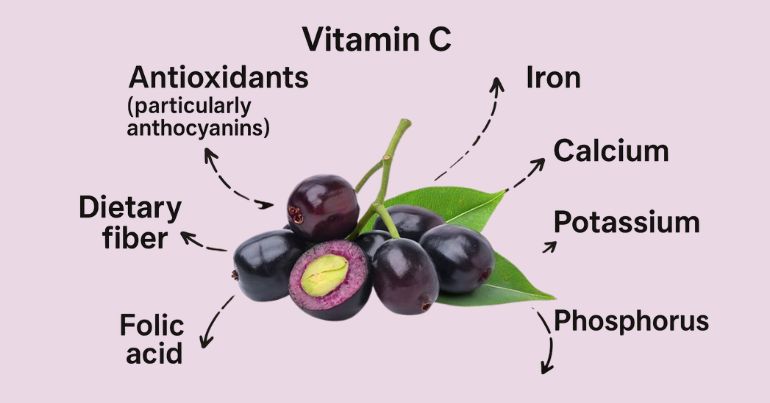
Jamun is rich in:
- Vitamin C
- Iron
- Calcium
- Potassium
- Phosphorus
- Folic acid
- Antioxidants (particularly anthocyanins)
- Dietary fiber
Its nutritional density makes it an ideal fruit for expectant mothers, provided it is consumed in moderation and under medical guidance.
Nutritional Value of Jamun (Per 100g of Pulp)
| Nutrient | Amount |
| Calories | 62 kcal |
| Carbohydrates | 14 g |
| Fiber | 0.9 g |
| Vitamin C | 18 mg |
| Iron | 1.4 mg |
| Calcium | 15 mg |
| Potassium | 55 mg |
| Protein | 0.7 g |
Benefits of Jamun in Pregnancy
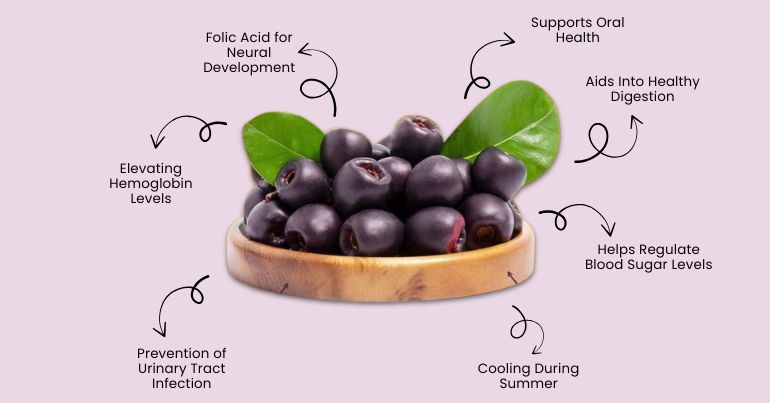
1. Elevating Hemoglobin Levels
Jamun is an iron and vitamin C source, and these two components synergize in increasing hemoglobin levels. Anemia is the most common condition during pregnancy, and consuming jamun helps combat iron deficiency naturally.
2. Aids Into Healthy Digestion
Constipation and indigestion are common during pregnancy due to hormonal changes and the pressure experienced by the growing uterus. The dietary fiber in Jamun keeps bowel movements well regulated and aids digestion. On the other side, the astringent properties of Jamun curb bloating and gastric discomfort.
3. Helps Regulate Blood Sugar Levels
Jamun is well known for its hypoglycemic effect due to the presence of jamboline and ellagic acid. This is very important for controlling gestational diabetes. Nevertheless, medical supervision should be sought before using it.
4. Boosts Immunity
Being packed with antioxidants and vitamin C, Jamun builds pregnant women’s immune systems so that they can fend off common infections and illnesses during this frail period.
5. Supports Oral Health
Pregnancy hormones increase the risk of gum diseases and tooth problems. Chewing Jamun leaves after cleaning or taking the pulp promotes oral health against bacteria.
6. Promotes Healthy Skin
From oxidative stress, Jamun antioxidants protect the internal health of the body and reduce pigmentation and acne that arise during pregnancy due to hormonal changes.
7. Prevention of Urinary Tract Infection
UTIs are quite frequent among pregnant women. Its antibacterial and diuretic properties help in expelling toxins out of their bodies from Jamun and lowering the chances of infection of urinary tract.
8. Folic Acid for Neural Development
Jamun is a small source of folic acid that is very important for brain and spinal cord development in the fetus. Consumption of Jamun on a regular basis (put together with prenatal supplements) decreases the chances of neural tube defects.
9. Cooling During Summer
Jamun help lower your body heat and counteract ill-feeling and restlessness usually experienced by the pregnant woman, especially in the warm climate, due to their natural cooling properties.
Read More: Jackfruit During Pregnancy
Side Effects & Precautions of Eating Jamun in Pregnancy
While Jamun offers numerous benefits, overconsumption or improper use can lead to certain side effects. Here are some key points to be cautious about:
1. Risk of Acidity and Sore Throat
Jamun is acidic in nature. Overeating, especially on an empty stomach, can lead to a sore throat, stomach ache, or increased acidity.
2. Hypoglycemia Risk
For women managing gestational diabetes with medications or insulin, excessive intake of Jamun might lower blood sugar levels too much. Monitoring glucose levels is necessary when incorporating Jamun regularly.
3. Allergic Reactions
Though rare, some individuals may experience mild allergic reactions like itching, rash, or swelling. Always start with a small quantity if you’re trying it for the first time during pregnancy.
4. Mild Constipation
While Jamun helps with digestion, its astringent properties, if consumed in excess, may slow down bowel movement in some individuals.
5. Interference with Iron Absorption (in high doses)
Although Jamun contains iron, consuming large amounts without a balanced diet might not contribute significantly to iron absorption. It should be consumed alongside other iron-rich foods and vitamin C sources.
people Also ask: Thyroid During Pregnancy
Safe Ways to Eat Jamun in Pregnancy
To reap the most benefit and avoid any potential side effects, here are safe ways to enjoy Jamun:
Wash Thoroughly
Always wash Jamun thoroughly to remove any pesticide residue or dirt before consumption.
Eat in Moderation
1 small bowl (8–10 jamuns) a day is considered safe. Avoid eating them on an empty stomach.
Pair with Other Fruits
Mix Jamun with banana or yogurt to balance the acidity and make it easier on the digestive system.
Avoid Seeds
Always remove the seeds before eating, especially if blending into juices or smoothies.
Consume Fresh
Choose ripe and fresh fruits rather than processed forms like packaged Jamun juice or jam, which may contain added sugars and preservatives.
Early Signs and Symptoms of Pregnancy after Ovulation
Best Time to Eat Jamun in Pregnancy

The best time to eat Jamun is:
- Mid-morning snack: Around 10:00–11:00 AM
- Evening snack: Around 4:00–5:00 PM (but not too close to bedtime)
Avoid consuming jamun at night, as it may increase the risk of acidity and disrupt sleep.
IUI Success Symptoms Day by Day: What to Expect
Jamun Juice During Pregnancy: Yes or No?

Jamun juice can be a refreshing alternative during pregnancy, but it should be:
- Homemade with no added sugar
- Consumed in moderation (½ cup)
- Paired with water or coconut water to dilute acidity
Avoid packaged or bottled Jamun juices due to potential additives and preservatives.
Pregnancy Symptoms in Gujarati
Seeds and Leaves of Jamun: Are They Safe?
Jamun Seeds:
- Traditionally used for diabetes control, but not advised during pregnancy unless specifically recommended by a healthcare provider.
- Jamun seed powder can lower blood sugar significantly, which might be risky.
Jamun Leaves:
- Sometimes chewed for oral health or used in homemade tooth powders.
- Use only after medical approval and thorough washing.
Recipes of Jamun for Pregnant Women

1. Jamun Yogurt Smoothie
- Ingredients: Jamun pulp, plain yogurt, banana, honey
- Benefits: A cooling, digestive-friendly snack rich in probiotics and antioxidants.
2. Jamun Chaat
- Ingredients: Chopped Jamun, black salt, roasted cumin, lemon juice
- Benefits: A tangy midday snack that aids digestion.
3. Jamun Ice Cubes
- Freeze Jamun juice in an ice tray.
- Add to water or coconut water during pragnancy for a refreshing drink.
Conclusion: Expert Opinion from Nimaaya
Jamun is a powerhouse of essential nutrients that can support maternal and fetal health when consumed mindfully. Its ability to boost immunity, prevent anemia, regulate digestion, and even help manage gestational diabetes makes it a valuable addition to a pregnancy diet.
However, it is important to practice moderation and consult a qualified healthcare provider or a specialized fertility and maternity clinic to personalize dietary choices during pregnancy. At Nimaaya, a leading center for women’s health and fertility, the expert team of doctors and dietitians provides comprehensive prenatal care and nutrition counseling to ensure a healthy and happy pregnancy journey.
Whether you’re trying to conceive or are already expecting, Nimaaya supports you with the right knowledge and care—tailored just for you and your baby.
Frequently Asked Questions (FAQs)
Q1: Is it safe to eat Jamun during the first trimester?
Yes, but in limited quantities. Make sure to consult your doctor, especially if you have a sensitive digestive system or are prone to nausea.
Q2: Can Jamun help manage gestational diabetes?
Jamun may help regulate blood sugar, but it should never replace medication or dietary plans prescribed by a doctor.
Q3: Is Jamun good for the baby’s development?
Yes, Jamun contains folic acid, iron, and vitamin C—essential nutrients that support fetal development.
Q4: Can Jamun cause miscarriage?
There’s no scientific evidence suggesting that jamun causes miscarriage when consumed in moderation.
Q5: Can I eat Jamun every day during pregnancy?
Yes, if your doctor approves and you don’t have allergies or gestational diabetes concerns. Limit to about 8–10 fruits per day.