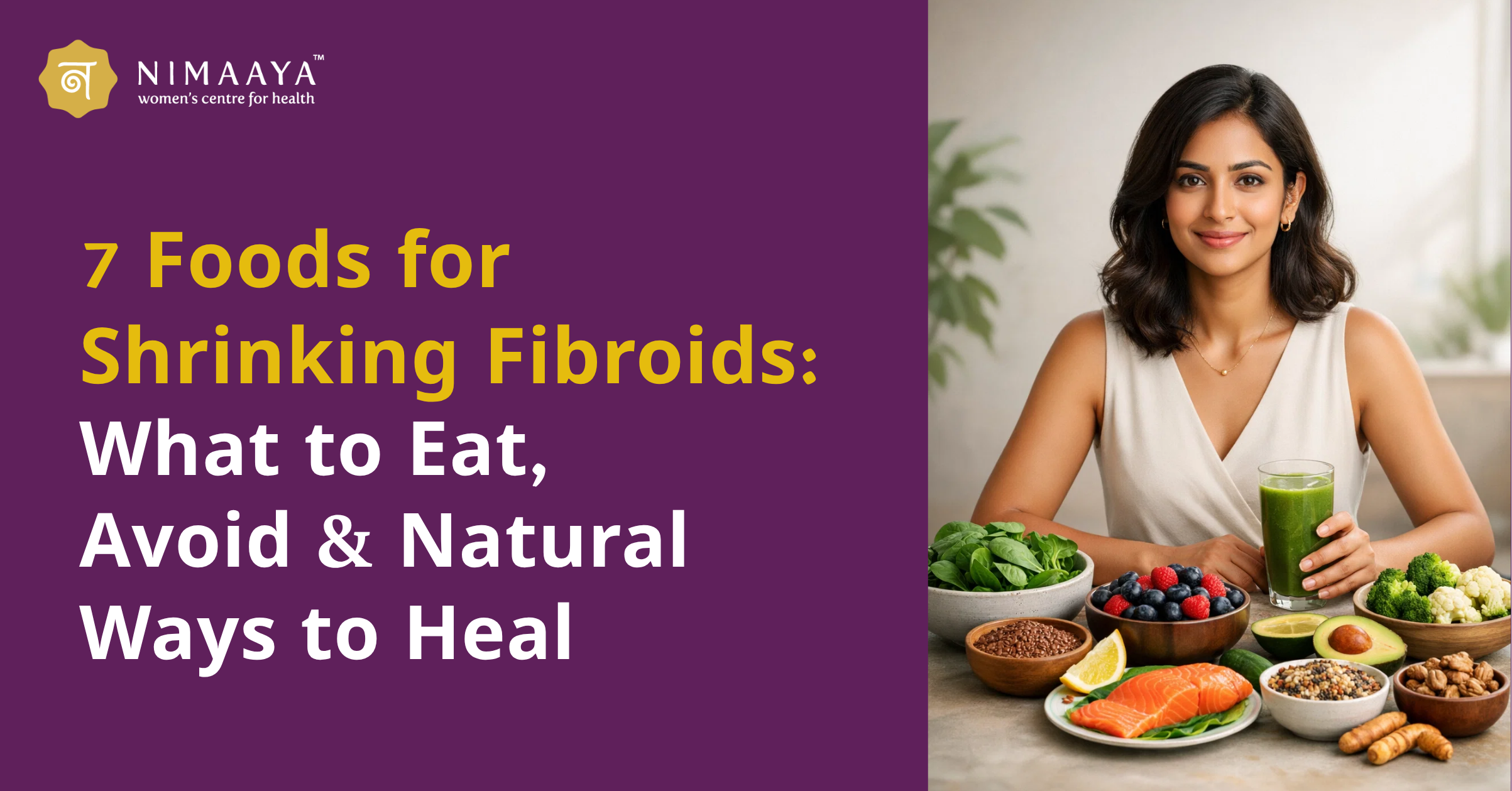
7 foods for shrinking fibroids is a topic many women search for when they are trying to manage symptoms naturally and feel more in control of their health. If you’ve recently been diagnosed with uterine fibroids, it’s completely normal to feel worried, confused, or even overwhelmed. The good news is that fibroids are quite common, and in many cases, they can be managed effectively with the right combination of lifestyle changes and medical guidance.
One of the most important things to understand is that while diet alone may not completely eliminate fibroids, it can play a meaningful and supportive role in helping to shrink fibroids naturally and reduce their symptoms. The foods you eat can influence hormone balance, inflammation levels, and overall reproductive health, all of which are closely linked to fibroid growth.
Many women also wonder how to reduce fibroid size naturally without immediately turning to surgery. In certain cases, especially when fibroids are small or symptoms are manageable, a balanced diet, along with healthy lifestyle habits, can help slow their growth and improve overall well-being. It’s also reassuring to know that not all fibroids require surgical treatment, many women successfully manage them with non-invasive approaches.
That said, every woman’s body is different. What works for one person may not work the same way for another. This is why it’s important to look at diet as a supportive tool, not a standalone cure. If your symptoms are severe or affecting your quality of life, consulting a qualified healthcare professional is always the safest step.
In this blog, we’ll walk you through the best foods that may support fibroid management, what to avoid, and natural ways to care for your body, so you can make informed, confident choices for your health.
Why Fibroid Diet Matters More Than You Think
When you are dealing with fibroids, it is easy to feel like the situation is completely out of your control. But what many women do not realize is that everyday choices, especially diet, can influence how the body responds to fibroids. While food alone cannot cure fibroids, it can support the body in ways that may help shrink fibroids naturally, reduce symptoms, and improve overall reproductive health.
A well-balanced diet works quietly in the background, helping regulate hormones, reduce inflammation, and support your body’s natural healing processes. Understanding how this works can make your journey feel more manageable and less overwhelming.
Hormonal Imbalance, Estrogen Dominance
Fibroids are strongly linked to hormones, especially estrogen. When there is an imbalance between estrogen and progesterone, with estrogen being higher than normal, it can create an environment where fibroids are more likely to grow.
This condition is often referred to as estrogen dominance. It does not always mean estrogen levels are extremely high, but rather that they are not balanced properly with progesterone. This imbalance can be influenced by several factors such as poor diet, excess body weight, stress, and environmental toxins.
This is where foods to shrink fibroids become important. Foods rich in fiber, antioxidants, and healthy fats can help the body process and eliminate excess estrogen more effectively. For example, fiber supports digestion and helps remove excess hormones from the body, while certain plant based foods support liver function, which plays a key role in hormone regulation.
By improving hormonal balance through diet, you may support your body in slowing fibroid growth in a natural and gentle way.
Inflammation and Fibroid Growth Link
Another important factor to understand is inflammation. Chronic, low-grade inflammation in the body can contribute to the growth of fibroids and make symptoms like pain and heavy bleeding worse.
Inflammation is often linked with insulin resistance, where the body has difficulty managing blood sugar levels effectively. When insulin levels are high, it can trigger hormonal disruptions that may encourage fibroid growth.
Certain foods, especially processed items, excess sugar, and unhealthy fats, can increase inflammation in the body. On the other hand, whole, nutrient-rich foods such as fruits, vegetables, whole grains, and omega-3-rich sources can help calm inflammation and support healing.
Reducing inflammation through diet is one of the most supportive ways to shrink fibroids naturally, while also improving energy levels and overall well-being.
It is also important to consider how fibroids can affect fertility. Hormonal imbalance and inflammation may interfere with ovulation, implantation, or the overall environment of the uterus. Dealing with fibroids, women should focus on a balanced, anti-inflammatory diet; you are not only supporting fibroid management but also creating a healthier foundation for fertility and future pregnancy.
Read More About: Endometriosis Explained: What are the Causes, Symptoms, Diagnosis & Treatment
What Are Uterine Fibroids?
Uterine fibroids are non-cancerous growths that develop in or around the uterus. They are quite common, especially in women of reproductive age, and many women may have them without even realizing it. Fibroids can vary in size, number, and location, which is why symptoms and impact can differ from person to person.
While fibroids are usually not dangerous, they can sometimes cause discomfort or affect daily life, depending on their size and position. Understanding the type and symptoms can help you take timely steps toward better management.
Types of Fibroids:
Fibroids are classified based on where they grow in the uterus. Each type can affect the body differently.
- Submucosal fibroids grow just beneath the inner lining of the uterus. These are less common but more likely to cause heavy menstrual bleeding and may affect fertility.
- Intramural fibroids develop within the muscular wall of the uterus. They are the most common type and can cause enlargement of the uterus, leading to pain or pressure.
- Subserosal fibroids grow on the outer surface of the uterus. These may press on nearby organs like the bladder or bowel, causing symptoms related to pressure.
- Pedunculated fibroids grow on a thin stalk or stem, either inside or outside the uterus. They can sometimes twist, causing sudden, sharp pain.
Read More About: प्रजनन क्षमता बढ़ाने के प्राकृतिक एवं घरेलू उपाय: पुरुषों और महिलाओं के लिए संपूर्ण गाइड
Common Symptoms You Shouldn’t Ignore
Not all fibroids cause symptoms, but when they do, they can affect your comfort and quality of life. Some signs are subtle at first, so it is important to pay attention to changes in your body.
- Heavy periods, bleeding that lasts longer than usual or includes blood clots
- Painful periods, with strong cramps or lower abdominal pain
- Bloating or a constant feeling of fullness, even without eating much
- Frequent urination, due to pressure on the bladder
- Constipation or difficulty passing stool, caused by pressure on the bowel
- Pain during sex, which may feel uncomfortable or deep
- Lower back pain, a dull ache or constant pressure
- Difficulty getting pregnant, in some cases, fibroids may interfere with conception or pregnancy
If you notice one or more of these symptoms regularly, it is a good idea to consult a doctor for proper evaluation and guidance.
Can Fibroids Affect Fertility and Pregnancy
For many women, a common concern is whether fibroids can impact their chances of getting pregnant. The answer depends on the size, number, and location of the fibroids.
Fibroids that grow inside the uterine cavity, especially submucosal types, can sometimes interfere with implantation or increase the risk of miscarriage. Larger fibroids may also change the shape of the uterus, which can affect how a pregnancy develops.
However, it is important to remember that many women with fibroids are still able to conceive and have healthy pregnancies. With proper monitoring and the right care plan, outcomes can often be positive.
If you are planning a pregnancy or facing challenges in conceiving, discussing your condition with a fertility specialist in Vadodara can help you understand your options and take the next steps with confidence.
Read More About: Foods to Eat And Avoid After Embryo Transfer for IVF Success
How to Shrink Fibroids Naturally With Diet
If you are wondering how to shrink fibroids naturally with diet, it helps to understand that your body already has systems in place to regulate hormones and heal itself. The goal of a fibroid-friendly diet is to support these natural processes, especially those linked to hormone balance, digestion, and inflammation.
While diet alone may not completely remove fibroids, it can play a meaningful role in slowing their growth, easing symptoms, and improving overall reproductive health. For many women, this approach becomes an important part of exploring how to get rid of fibroids without surgery, especially in the early stages or when symptoms are manageable.
Supporting Gut Health and Estrogen Balance
Your gut plays a much bigger role in hormone health than most people realize. After estrogen is processed by the liver, it is sent to the digestive system to be eliminated. If your gut is not functioning well, this estrogen can be reabsorbed into the body, leading to hormonal imbalance.
This is why a healthy gut is essential when trying to manage fibroids. Including fiber rich foods, fermented foods, and plenty of water helps improve digestion and supports the body in removing excess estrogen more effectively. A well balanced gut environment can gradually support efforts to shrink fibroids naturally.
Fiber and Natural Estrogen Detox
Fiber acts like a natural cleanser for the body. It binds to excess estrogen in the digestive tract and helps remove it through regular bowel movements. This reduces the chances of estrogen building up, which is important because fibroids are often estrogen sensitive.
Whole grains, fruits, vegetables, beans, and seeds are excellent sources of fibre. Adding these regularly to your meals can support hormone balance gently and sustainably. Over time, this may help create a healthier internal environment that is less supportive of fibroid growth.
The Role of Anti-Inflammatory Foods
Inflammation is another key factor linked to fibroid development and symptoms. When the body is in a constant state of low-level inflammation, it can worsen pain, increase bleeding, and contribute to hormonal disruption.
Including anti-inflammatory foods in your daily diet can help calm this response. Foods rich in antioxidants, such as berries, leafy greens, nuts, and healthy fats, help protect cells and reduce inflammation. Omega-3-rich foods, like fatty fish and seeds, are especially beneficial.
By focusing on whole, natural, and nutrient-rich foods, you are giving your body the support it needs to function more efficiently. This approach does not promise instant results, but it can be a steady and empowering step toward better health and long-term fibroid management.
Read More About: Pregnancy Me Kya Khana Chahiye: स्वस्थ गर्भावस्था के लिए सही आहार
7 Foods for Shrinking Fibroids:
When it comes to managing fibroids through diet, focusing on the right nutrients can make a meaningful difference. These foods for shrinking fibroids are commonly recommended because they support hormone balance, reduce inflammation, and help the body function more efficiently. Including them regularly in your meals can be a gentle and natural way to support your overall health.
1. Cruciferous Vegetables, Broccoli, Kale, Cabbage
Cruciferous vegetables are especially helpful because they support the body in breaking down and removing excess estrogen. They contain natural compounds that assist liver detox processes, which play a key role in hormone balance.
Adding lightly cooked or steamed broccoli, kale, or cabbage to your meals a few times a week can be beneficial. These vegetables are simple to include in salads, soups, or stir-fries.
2. Citrus Fruits, Vitamin C Boost
Citrus fruits like oranges, lemons, and grapefruits are rich in vitamin C, which supports the immune system and helps repair tissues. This can be useful for overall reproductive health and healing.
They also help improve iron absorption, which is important if you experience heavy bleeding due to fibroids. Fresh fruits or a glass of diluted lemon water can be an easy addition to your daily routine.
3. Leafy Greens, Iron, and Folate Support
Leafy greens such as spinach, fenugreek leaves, and lettuce are packed with iron and folate. These nutrients are important for maintaining healthy blood levels, especially if fibroids are causing heavy periods.
Including a bowl of cooked greens or adding them to smoothies and meals can help prevent fatigue and support overall energy levels.
4. Whole Grains, High-Fibre Foods
Whole grains like brown rice, oats, quinoa, and whole wheat are rich in fibre, which helps regulate hormones by supporting the removal of excess estrogen from the body.
They also help maintain stable blood sugar levels, which is important for reducing inflammation and supporting hormonal balance. Choosing whole grains over refined options is a simple but impactful change.
5. Fatty Fish, Omega-3-Rich Foods
Fatty fish such as salmon, sardines, and mackerel are excellent sources of omega-3 fatty acids. These healthy fats are known for their anti-inflammatory properties, which may help reduce fibroid-related discomfort.
If you include fish in your diet, aim for two to three servings per week. For vegetarians, alternatives like walnuts and chia seeds can provide similar benefits.
6. Flaxseeds and Seeds
Flaxseeds, along with seeds like sunflower and pumpkin seeds, contain natural compounds called lignans. These can help balance estrogen levels in the body.
Ground flaxseeds can be easily added to smoothies, yogurt, or warm meals. Even a small daily portion can contribute to better hormonal balance over time.
7. Beans and Lentils
Beans and lentils are excellent plant based sources of protein and fiber. They help support steady blood sugar levels and contribute to hormone regulation.
They are also filling and versatile, making them easy to include in everyday meals such as dals, soups, or salads. Regular intake can support overall health while gently assisting efforts to shrink fibroids naturally.
Read More About: Nutrition & Antenatal Care: A Comprehensive Guide to Healthy Eating During Pregnancy
Foods to Avoid If You Have Fibroids
Along with adding the right foods, it is equally important to be mindful of what to limit or avoid. Certain foods can increase estrogen levels, trigger inflammation, or disrupt hormonal balance, all of which may contribute to fibroid growth or worsening symptoms.
If you are looking at how to reduce fibroid size naturally, making small but consistent changes in your daily diet can support your body in a meaningful way. The goal is not strict restriction, but awareness and balance.
Processed and Red Meat
Processed meats and high consumption of red meat may be linked to increased inflammation in the body. They can also influence hormone levels, especially when consumed frequently.
These foods are often high in unhealthy fats and additives, which may make it harder for the body to maintain hormonal balance. Reducing intake and choosing lean, fresh protein sources instead can be a healthier option.
Refined Sugar and Carbohydrates
Foods high in refined sugar, such as sweets, pastries, and sugary drinks, can cause rapid spikes in blood sugar levels. Over time, this may lead to insulin resistance, which is closely connected to hormonal imbalance.
Refined carbohydrates like white bread, white rice, and processed snacks can have a similar effect. High insulin levels may encourage conditions that support fibroid growth, so limiting these foods can help support overall metabolic and hormonal health.
High Fat Dairy
Full-fat dairy products, especially when consumed in excess, may contribute to higher levels of estrogen in the body. Some dairy products can also contain added hormones, which may further influence hormonal balance.
This does not mean you need to eliminate dairy completely, but choosing lower fat or moderate portions may be a better approach if you are managing fibroids.
Alcohol and Caffeine
Alcohol can put extra strain on the liver, which is responsible for processing and removing excess hormones like estrogen. When the liver is overworked, hormone balance may be affected.
Excess caffeine, especially from strong coffee or energy drinks, may also influence stress hormones and indirectly affect hormonal health. Moderation is key, and reducing intake can support your body’s natural balance.
Soy, Excessive Intake Caution
Soy contains natural plant compounds that can mimic estrogen in the body. In moderate amounts, especially from whole sources like tofu or soybeans, it may not be harmful for everyone.
However, consuming large amounts of processed soy products may contribute to hormonal imbalance in some individuals. It is best to keep intake balanced and observe how your body responds.
Best Diet Plan for Fibroids, Sample Day Plan
Creating a daily diet plan for fibroids can help you stay consistent, support hormonal balance, and feel more in control of your health. This sample plan is simple; you can use it as a guideline and adjust according to your preferences and dietary needs.
Note: This plan is for general guidance and is not a replacement for personalized medical advice. Always consult your healthcare provider before making major dietary changes.
Morning Detox Drink
Starting your day with a gentle detox drink can help kickstart digestion and support liver function, which plays a key role in estrogen metabolism.
Options:
- Warm water with lemon and a pinch of turmeric
- Green tea with a few fresh mint leaves
- A small glass of warm water with grated ginger and honey
These drinks are easy to prepare and can be enjoyed before breakfast to help support your body’s natural cleansing processes.
Breakfast, Lunch, Dinner Plan
Breakfast Options:
- Oats porridge with flaxseeds, chia seeds, and fresh berries
- Whole-grain toast with avocado and a boiled egg
- Smoothie with spinach, banana, and almond milk
Lunch Options:
- Brown rice or quinoa with steamed cruciferous vegetables and a portion of grilled salmon or tofu
- Lentil dal with a side of sautéed leafy greens and whole wheat roti
- Chickpea salad with cucumber, tomato, olive oil, and lemon dressing
Dinner Options:
- Steamed or lightly sautéed vegetables with baked fish or paneer
- Vegetable soup with whole-grain crackers or multigrain bread
- Stir fry with tofu, bell peppers, broccoli, and sesame seeds served with brown rice
These meals are rich in fibre, antioxidants, and healthy fats to support hormone regulation and reduce inflammation.
Snack Options
Healthy snacks help maintain stable blood sugar levels and prevent cravings for processed foods.
Snack Ideas:
- A small handful of walnuts, almonds, or pumpkin seeds
- Fresh fruit like apple slices, orange segments, or berries
- Yogurt with a teaspoon of ground flaxseeds
- Carrot and cucumber sticks with hummus
Supplements and Nutrients That May Help Shrink Fibroids
In addition to eating a fibroid-friendly diet, certain supplements and nutrients can support overall reproductive health and hormonal balance. While they may not replace medical treatment, they can act as a gentle aid in managing fibroids. It is always important to consult your doctor before starting any new supplement, especially if you are pregnant, planning a pregnancy, or have other health conditions.
Vitamin D
Vitamin D plays an essential role in hormone regulation and immune function. Studies suggest that women with fibroids may have lower levels of vitamin D, and supplementing under a doctor’s guidance can support overall uterine health. Sun exposure and foods like fortified dairy, eggs, and fatty fish can also help maintain healthy vitamin D levels.
Magnesium
Magnesium helps relax muscles and may reduce menstrual cramps and discomfort associated with fibroids. It also supports blood sugar regulation and reduces inflammation. Magnesium-rich foods include leafy greens, nuts, seeds, and whole grains. Supplements can be considered if dietary intake is insufficient, after consulting a healthcare professional.
Green Tea Extract
Green tea contains antioxidants called catechins that may help reduce inflammation and support hormone balance. Some studies have shown that green tea extract may help slow fibroid growth. Drinking green tea regularly or taking doctor-recommended supplements can be a supportive addition to your fibroid management plan.
Iron, If Anemia Is Present
Fibroids can sometimes cause heavy bleeding, which may lead to iron deficiency or anemia. Including iron-rich foods like spinach, lentils, beans, and lean meats can help maintain healthy iron levels. In certain cases, your doctor may recommend iron supplements to prevent fatigue and support overall health.
Before starting any supplement, it is important to discuss your individual needs with a qualified healthcare professional like Nimaaya IVF Center – Best Gynaecologists in Surat. They can help determine appropriate dosages, check for interactions with other medications, and ensure the supplements are safe for your situation.
By combining a fibroid-friendly diet with carefully selected supplements under medical guidance, you can support your body’s natural ability to regulate hormones, reduce inflammation, and work toward managing fibroid symptoms safely.
Lifestyle Changes That Support Fibroid Reduction
Diet and supplements can go a long way in supporting fibroid management, but lifestyle habits play an equally important role. Simple, consistent changes in your daily routine can help regulate hormones, reduce inflammation, and improve overall reproductive health. These steps also enhance your body’s natural ability to shrink fibroids naturally and manage symptoms more comfortably.
Weight Management
Maintaining a healthy weight is important because excess body fat can contribute to higher oestrogen levels, which may encourage fibroid growth. Small, sustainable changes such as portion control, mindful eating, and regular movement can make a meaningful difference. Even modest weight loss, when recommended by your doctor, can improve hormone balance and overall well-being.
Stress Reduction, Yoga, and Meditation
Chronic stress can impact hormone levels and overall health. Practices like meditation, deep breathing, and gentle yoga can help calm the nervous system and reduce cortisol, a stress hormone that can indirectly affect estrogen balance. Setting aside even 10–15 minutes a day for relaxation techniques can be a simple but powerful step toward supporting your reproductive health.
Exercise and Blood Circulation
Regular physical activity improves blood flow and oxygen delivery throughout the body, which can support healthy uterine function and reduce inflammation. Aim for moderate activities like brisk walking, swimming, cycling, or low-impact aerobics for at least 20–30 minutes most days of the week. These exercises also help maintain a healthy weight and promote overall well-being.
Yoga for Fibroids
Certain yoga poses can gently stretch and tone the pelvic area, which may help relieve discomfort and support uterine health. Examples include:
- Supta Baddha Konasana (Reclining Bound Angle Pose) – helps open the pelvic region
- Bhujangasana (Cobra Pose) – improves circulation and relieves lower back pressure
- Setu Bandhasana (Bridge Pose) – strengthens core and supports uterine blood flow
Always perform yoga gently, listen to your body, and consult a healthcare professional before starting new exercise routines, especially if you have large fibroids or experience pain.
When Diet Alone Is Not Enough, Treatment Options
While a fibroid-friendly diet, supplements, and lifestyle changes can be very effective for many women, there are times when additional medical intervention may be needed. Understanding your options can help you feel more in control and make informed decisions about your health. Learning how to get rid of fibroids without surgery is possible in some cases, but it depends on factors like fibroid size, location, and symptoms.
Non-Surgical Treatments
For women seeking non-invasive options, certain medications can help manage symptoms or temporarily reduce fibroid size. These may include:
- Hormonal medications – to regulate menstrual cycles, reduce heavy bleeding, or control pain
- GnRH agonists – medicines that temporarily shrink fibroids by altering hormone levels
These treatments are usually short-term, often used to improve comfort or prepare for a minimally invasive procedure. Your doctor can guide you on whether these options are suitable for your situation.
Read More About: Tubectomy: Understanding the Procedure and Its Benefits
Minimally Invasive Procedures
When fibroids cause significant symptoms but surgery is not the first choice, minimally invasive procedures may be considered:
- Uterine Artery Embolization (UAE) – This procedure blocks blood flow to the fibroids, causing them to shrink over time. It is less invasive than traditional surgery and can help relieve pain and bleeding.
These options allow many women to manage fibroids effectively while avoiding major surgery.
Fertility-Preserving Treatments
For women who wish to conceive in the future, fertility preservation is often a key consideration:
- Myomectomy – Surgery that removes fibroids while leaving the uterus intact. This is commonly recommended when fibroids interfere with fertility or cause significant symptoms.
- Hysterectomy – Complete removal of the uterus is generally reserved for severe cases where other treatments are ineffective or fibroids are extremely large. This procedure ends fertility, so it is considered only when necessary.
Even when undergoing medical treatments, maintaining a healthy diet and lifestyle is important. Including the 7 foods for shrinking fibroids, staying active, and managing stress can complement medical interventions and help reduce symptom severity.
Read More About : Understanding Vaginal Hysterectomy: Procedure, Benefits, and Recovery
Consult our fertility experts if you are unsure which approach is right for you. They can assess your unique situation, discuss non-surgical and surgical options, and create a plan that aligns with your health goals and fertility plans.
By combining diet, lifestyle, and medical guidance when needed, you can take a balanced and informed approach to managing fibroids safely.
Can Fibroids Be Removed Naturally Without Surgery?
Many women wonder if it is possible to completely remove fibroids naturally, without going through surgery. While it is true that diet, lifestyle changes, and supportive supplements can help shrink fibroids naturally and reduce symptoms, it is important to have realistic expectations.
Diet and healthy habits play a supportive role, they help regulate hormones, reduce inflammation, and improve overall uterine health. For some women, these changes may lead to noticeable reductions in fibroid size over time, especially for smaller fibroids or in the early stages.
However, it is not always possible to completely eliminate fibroids through natural methods alone. Larger fibroids, or those causing significant pain or bleeding, may still require medical evaluation and intervention.
Building trust and staying informed is key. By combining a fibroid friendly diet, lifestyle changes, and guidance from a qualified healthcare professional, you can manage symptoms effectively, support your fertility, and explore non-surgical options when appropriate.
Remember, natural methods are about supporting your body’s balance and wellness, not promising complete removal. Regular monitoring and professional advice ensure you are making safe and effective choices for your health.
Safety Tips Before Trying Natural Remedies
When exploring natural ways to manage fibroids, safety should always be your top priority. While diet, lifestyle changes, and supplements can be supportive, they are not a replacement for professional medical care. Following these simple precautions can help you take control safely and confidently.
Avoid Self-Medication
Even natural supplements or herbal remedies can have side effects or interact with other medications. Always discuss any new supplement, herb, or significant dietary change with your doctor before starting. Self-medicating may seem harmless, but it can sometimes interfere with treatment or worsen symptoms.
Monitor Symptoms
Keep track of any changes in your body, including menstrual flow, pain levels, bloating, or fatigue. Monitoring symptoms helps you understand what works, what doesn’t, and when it’s time to seek medical guidance. If you notice sudden changes like severe bleeding or sharp pain, contact your healthcare provider immediately.
Regular Scans and Checkups
Even if you are following a healthy diet and lifestyle, fibroids can grow or change over time. Regular ultrasound scans or checkups with a gynaecologist in Ahmedabad help track their size, location, and impact on your health. This ensures timely intervention if necessary and gives you peace of mind.
By taking these precautions, you can safely explore natural ways to support fibroid health while protecting your overall well-being and fertility. Combining careful monitoring with diet, lifestyle, and professional advice creates a balanced, responsible approach to fibroid management.
Conclusion – A Balanced Approach to Managing Fibroids Naturally
Managing fibroids can feel overwhelming at first, but it’s important to remember that you are not alone and that many women successfully navigate this condition with the right support. A balanced approach, combining a fibroid-friendly diet, healthy lifestyle habits, and appropriate medical care, offers the best results for reducing symptoms, supporting hormonal balance, and protecting fertility.
Incorporating the 7 foods for shrinking fibroids, along with mindful eating, regular exercise, stress management, and doctor-guided supplements, creates a supportive environment for your body to function optimally. At the same time, routine medical checkups and professional guidance ensure that fibroids are monitored and managed safely.
If you are looking for expert care, Nimaaya – Women’s Centre for Health is a trusted gynaecology and fertility provider that specializes in women’s reproductive health, fibroid management, and fertility support. Their compassionate team can help you create a personalized plan, combining diet, lifestyle, and medical interventions as needed.
Take small, consistent steps every day, stay informed, and seek professional guidance when necessary. With the right approach, you can feel empowered, supported, and proactive in managing your fibroid health naturally.
Frequently Asked Questions About Fibroid Diet
Can diet really shrink fibroids?
A balanced diet can help shrink fibroids naturally by supporting hormone balance, reducing inflammation, and improving gut health. While diet alone may not eliminate fibroids completely, it can reduce symptoms and slow growth.
Which size of fibroid is dangerous?
Fibroids vary in size, and not all cause problems. Larger fibroids (typically over 5–6 cm) or those that affect organ function, cause severe pain, or heavy bleeding may require medical attention. Regular monitoring by a doctor is essential.
Which foods shrink fibroids the fastest?
Foods rich in fibre, antioxidants, and healthy fats, like cruciferous vegetables, leafy greens, whole grains, flaxseeds, beans, and fatty fish, support hormone balance and may help reduce fibroid growth over time. Results vary depending on fibroid size, type, and individual health.
How to check for fibroids at home?
Fibroids cannot be diagnosed accurately at home. Some signs like heavy periods, pelvic pain, bloating, or pressure may indicate fibroids, but a doctor typically confirms the presence and size through an ultrasound or pelvic examination.
How long does it take to reduce fibroid size naturally?
The time varies depending on fibroid size, diet, lifestyle, and overall health. Some women notice symptom improvement in a few months, while actual size reduction may take longer. Patience and consistency are key.
Can I get pregnant with fibroids?
Many women with fibroids can conceive naturally. Submucosal fibroids or very large fibroids may interfere with implantation or pregnancy, so discussing fertility options with a gynecologist is recommended.
Is milk bad for fibroids?
Moderate intake of low-fat or dairy alternatives is generally safe. High-fat or processed dairy may affect estrogen levels in some women, so limiting excessive consumption may be beneficial.
Are fibroids cancerous?
Fibroids are almost always benign (non-cancerous). Malignant transformation is extremely rare, but monitoring for sudden growth or unusual symptoms is important.
Do bananas help with fibroids?
Bananas are a healthy fruit choice and provide fiber, potassium, and antioxidants. While they do not directly shrink fibroids, they support overall health and a balanced diet, which is important for fibroid management.
Can vitamin D reduce fibroids?
Vitamin D supports hormone regulation and immune health. Some studies suggest adequate vitamin D levels may slow fibroid growth, but supplements should be taken only under medical supervision.
What is the best drink for fibroids?
Gentle, nutrient-rich drinks can support fibroid management. Options include warm lemon water, green tea, or ginger water. These drinks promote digestion, reduce inflammation, and support liver function, which helps in hormone balance.